mirror of
https://github.com/langgenius/dify.git
synced 2026-06-17 13:17:44 +08:00
Compare commits
14 Commits
fix/extern
...
feat/exter
| Author | SHA1 | Date | |
|---|---|---|---|
| 37f7d5732a | |||
| dcb033d221 | |||
| 9f894bb3b3 | |||
| 89e81873c4 | |||
| 9ca0e56a8a | |||
| e7c77d961b | |||
| a63e15081f | |||
| 0724640bbb | |||
| cb70e12827 | |||
| 067b956b2c | |||
| e7762b731c | |||
| f6c8390b0b | |||
| 4fd57929df | |||
| 517cdb2ca4 |

5
.github/workflows/api-tests.yml
vendored
5
.github/workflows/api-tests.yml
vendored
@ -39,7 +39,7 @@ jobs:
|
||||
api/pyproject.toml
|
||||
api/poetry.lock
|
||||
|
||||
- name: Check Poetry lockfile
|
||||
- name: Poetry check
|
||||
run: |
|
||||
poetry check -C api --lock
|
||||
poetry show -C api
|
||||
@ -47,9 +47,6 @@ jobs:
|
||||
- name: Install dependencies
|
||||
run: poetry install -C api --with dev
|
||||
|
||||
- name: Check dependencies in pyproject.toml
|
||||
run: poetry run -C api bash dev/pytest/pytest_artifacts.sh
|
||||
|
||||
- name: Run Unit tests
|
||||
run: poetry run -C api bash dev/pytest/pytest_unit_tests.sh
|
||||
|
||||
|
||||
3
.github/workflows/build-push.yml
vendored
3
.github/workflows/build-push.yml
vendored
@ -5,7 +5,6 @@ on:
|
||||
branches:
|
||||
- "main"
|
||||
- "deploy/dev"
|
||||
- "fix/external-knowledge-retrieval-issues"
|
||||
release:
|
||||
types: [published]
|
||||
|
||||
@ -126,7 +125,7 @@ jobs:
|
||||
with:
|
||||
images: ${{ env[matrix.image_name_env] }}
|
||||
tags: |
|
||||
type=raw,value=latest,enable=${{ startsWith(github.ref, 'refs/tags/') && !contains(github.ref, '-beta') }}
|
||||
type=raw,value=latest,enable=${{ startsWith(github.ref, 'refs/tags/') }}
|
||||
type=ref,event=branch
|
||||
type=sha,enable=true,priority=100,prefix=,suffix=,format=long
|
||||
type=raw,value=${{ github.ref_name }},enable=${{ startsWith(github.ref, 'refs/tags/') }}
|
||||
|
||||
46
.github/workflows/web-tests.yml
vendored
46
.github/workflows/web-tests.yml
vendored
@ -1,46 +0,0 @@
|
||||
name: Web Tests
|
||||
|
||||
on:
|
||||
pull_request:
|
||||
branches:
|
||||
- main
|
||||
paths:
|
||||
- web/**
|
||||
|
||||
concurrency:
|
||||
group: web-tests-${{ github.head_ref || github.run_id }}
|
||||
cancel-in-progress: true
|
||||
|
||||
jobs:
|
||||
test:
|
||||
name: Web Tests
|
||||
runs-on: ubuntu-latest
|
||||
defaults:
|
||||
run:
|
||||
working-directory: ./web
|
||||
|
||||
steps:
|
||||
- name: Checkout code
|
||||
uses: actions/checkout@v4
|
||||
|
||||
- name: Check changed files
|
||||
id: changed-files
|
||||
uses: tj-actions/changed-files@v45
|
||||
with:
|
||||
files: web/**
|
||||
|
||||
- name: Setup Node.js
|
||||
uses: actions/setup-node@v4
|
||||
if: steps.changed-files.outputs.any_changed == 'true'
|
||||
with:
|
||||
node-version: 20
|
||||
cache: yarn
|
||||
cache-dependency-path: ./web/package.json
|
||||
|
||||
- name: Install dependencies
|
||||
if: steps.changed-files.outputs.any_changed == 'true'
|
||||
run: yarn install --frozen-lockfile
|
||||
|
||||
- name: Run tests
|
||||
if: steps.changed-files.outputs.any_changed == 'true'
|
||||
run: yarn test
|
||||
@ -36,7 +36,7 @@
|
||||
| 被团队成员标记为高优先级的功能 | 高优先级 |
|
||||
| 在 [community feedback board](https://github.com/langgenius/dify/discussions/categories/feedbacks) 内反馈的常见功能请求 | 中等优先级 |
|
||||
| 非核心功能和小幅改进 | 低优先级 |
|
||||
| 有价值但不紧急 | 未来功能 |
|
||||
| 有价值当不紧急 | 未来功能 |
|
||||
|
||||
### 其他任何事情(例如 bug 报告、性能优化、拼写错误更正):
|
||||
* 立即开始编码。
|
||||
@ -138,7 +138,7 @@ Dify 的后端使用 Python 编写,使用 [Flask](https://flask.palletsproject
|
||||
├── models // 描述数据模型和 API 响应的形状
|
||||
├── public // 如 favicon 等元资源
|
||||
├── service // 定义 API 操作的形状
|
||||
├── test
|
||||
├── test
|
||||
├── types // 函数参数和返回值的描述
|
||||
└── utils // 共享的实用函数
|
||||
```
|
||||
|
||||
10
README.md
10
README.md
@ -17,7 +17,7 @@
|
||||
alt="chat on Discord"></a>
|
||||
<a href="https://twitter.com/intent/follow?screen_name=dify_ai" target="_blank">
|
||||
<img src="https://img.shields.io/twitter/follow/dify_ai?logo=X&color=%20%23f5f5f5"
|
||||
alt="follow on X(Twitter)"></a>
|
||||
alt="follow on Twitter"></a>
|
||||
<a href="https://hub.docker.com/u/langgenius" target="_blank">
|
||||
<img alt="Docker Pulls" src="https://img.shields.io/docker/pulls/langgenius/dify-web?labelColor=%20%23FDB062&color=%20%23f79009"></a>
|
||||
<a href="https://github.com/langgenius/dify/graphs/commit-activity" target="_blank">
|
||||
@ -196,14 +196,10 @@ If you'd like to configure a highly-available setup, there are community-contrib
|
||||
|
||||
#### Using Terraform for Deployment
|
||||
|
||||
Deploy Dify to Cloud Platform with a single click using [terraform](https://www.terraform.io/)
|
||||
|
||||
##### Azure Global
|
||||
Deploy Dify to Azure with a single click using [terraform](https://www.terraform.io/).
|
||||
- [Azure Terraform by @nikawang](https://github.com/nikawang/dify-azure-terraform)
|
||||
|
||||
##### Google Cloud
|
||||
- [Google Cloud Terraform by @sotazum](https://github.com/DeNA/dify-google-cloud-terraform)
|
||||
|
||||
## Contributing
|
||||
|
||||
For those who'd like to contribute code, see our [Contribution Guide](https://github.com/langgenius/dify/blob/main/CONTRIBUTING.md).
|
||||
@ -223,7 +219,7 @@ At the same time, please consider supporting Dify by sharing it on social media
|
||||
* [Github Discussion](https://github.com/langgenius/dify/discussions). Best for: sharing feedback and asking questions.
|
||||
* [GitHub Issues](https://github.com/langgenius/dify/issues). Best for: bugs you encounter using Dify.AI, and feature proposals. See our [Contribution Guide](https://github.com/langgenius/dify/blob/main/CONTRIBUTING.md).
|
||||
* [Discord](https://discord.gg/FngNHpbcY7). Best for: sharing your applications and hanging out with the community.
|
||||
* [X(Twitter)](https://twitter.com/dify_ai). Best for: sharing your applications and hanging out with the community.
|
||||
* [Twitter](https://twitter.com/dify_ai). Best for: sharing your applications and hanging out with the community.
|
||||
|
||||
## Star history
|
||||
|
||||
|
||||
@ -17,7 +17,7 @@
|
||||
alt="chat on Discord"></a>
|
||||
<a href="https://twitter.com/intent/follow?screen_name=dify_ai" target="_blank">
|
||||
<img src="https://img.shields.io/twitter/follow/dify_ai?logo=X&color=%20%23f5f5f5"
|
||||
alt="follow on X(Twitter)"></a>
|
||||
alt="follow on Twitter"></a>
|
||||
<a href="https://hub.docker.com/u/langgenius" target="_blank">
|
||||
<img alt="Docker Pulls" src="https://img.shields.io/docker/pulls/langgenius/dify-web?labelColor=%20%23FDB062&color=%20%23f79009"></a>
|
||||
<a href="https://github.com/langgenius/dify/graphs/commit-activity" target="_blank">
|
||||
@ -179,13 +179,10 @@ docker compose up -d
|
||||
|
||||
#### استخدام Terraform للتوزيع
|
||||
|
||||
انشر Dify إلى منصة السحابة بنقرة واحدة باستخدام [terraform](https://www.terraform.io/)
|
||||
|
||||
##### Azure Global
|
||||
استخدم [terraform](https://www.terraform.io/) لنشر Dify على Azure بنقرة واحدة.
|
||||
- [Azure Terraform بواسطة @nikawang](https://github.com/nikawang/dify-azure-terraform)
|
||||
|
||||
##### Google Cloud
|
||||
- [Google Cloud Terraform بواسطة @sotazum](https://github.com/DeNA/dify-google-cloud-terraform)
|
||||
|
||||
## المساهمة
|
||||
|
||||
|
||||
10
README_CN.md
10
README_CN.md
@ -17,7 +17,7 @@
|
||||
alt="chat on Discord"></a>
|
||||
<a href="https://twitter.com/intent/follow?screen_name=dify_ai" target="_blank">
|
||||
<img src="https://img.shields.io/twitter/follow/dify_ai?logo=X&color=%20%23f5f5f5"
|
||||
alt="follow on X(Twitter)"></a>
|
||||
alt="follow on Twitter"></a>
|
||||
<a href="https://hub.docker.com/u/langgenius" target="_blank">
|
||||
<img alt="Docker Pulls" src="https://img.shields.io/docker/pulls/langgenius/dify-web?labelColor=%20%23FDB062&color=%20%23f79009"></a>
|
||||
<a href="https://github.com/langgenius/dify/graphs/commit-activity" target="_blank">
|
||||
@ -202,14 +202,10 @@ docker compose up -d
|
||||
|
||||
#### 使用 Terraform 部署
|
||||
|
||||
使用 [terraform](https://www.terraform.io/) 一键将 Dify 部署到云平台
|
||||
|
||||
##### Azure Global
|
||||
使用 [terraform](https://www.terraform.io/) 一键部署 Dify 到 Azure。
|
||||
- [Azure Terraform by @nikawang](https://github.com/nikawang/dify-azure-terraform)
|
||||
|
||||
##### Google Cloud
|
||||
- [Google Cloud Terraform by @sotazum](https://github.com/DeNA/dify-google-cloud-terraform)
|
||||
|
||||
## Star History
|
||||
|
||||
[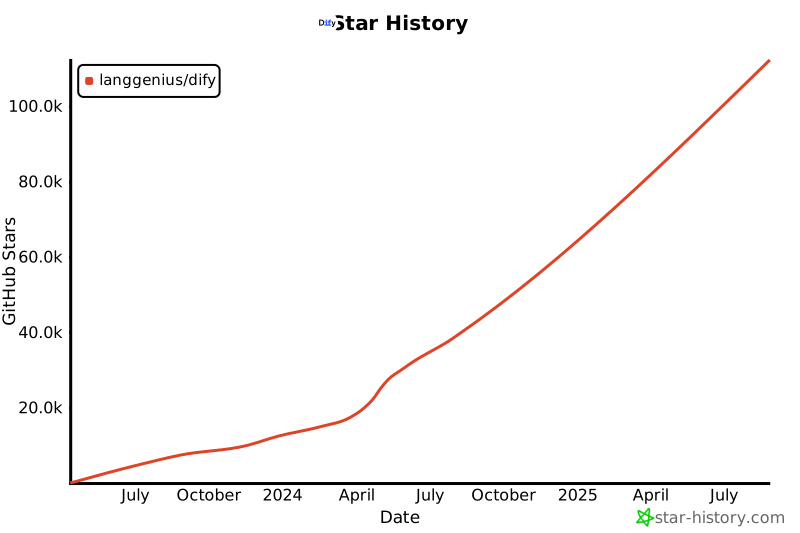](https://star-history.com/#langgenius/dify&Date)
|
||||
@ -236,7 +232,7 @@ docker compose up -d
|
||||
- [GitHub Issues](https://github.com/langgenius/dify/issues)。👉:使用 Dify.AI 时遇到的错误和问题,请参阅[贡献指南](CONTRIBUTING.md)。
|
||||
- [电子邮件支持](mailto:hello@dify.ai?subject=[GitHub]Questions%20About%20Dify)。👉:关于使用 Dify.AI 的问题。
|
||||
- [Discord](https://discord.gg/FngNHpbcY7)。👉:分享您的应用程序并与社区交流。
|
||||
- [X(Twitter)](https://twitter.com/dify_ai)。👉:分享您的应用程序并与社区交流。
|
||||
- [Twitter](https://twitter.com/dify_ai)。👉:分享您的应用程序并与社区交流。
|
||||
- [商业许可](mailto:business@dify.ai?subject=[GitHub]Business%20License%20Inquiry)。👉:有关商业用途许可 Dify.AI 的商业咨询。
|
||||
- [微信]() 👉:扫描下方二维码,添加微信好友,备注 Dify,我们将邀请您加入 Dify 社区。
|
||||
<img src="./images/wechat.png" alt="wechat" width="100"/>
|
||||
|
||||
@ -17,7 +17,7 @@
|
||||
alt="chat en Discord"></a>
|
||||
<a href="https://twitter.com/intent/follow?screen_name=dify_ai" target="_blank">
|
||||
<img src="https://img.shields.io/twitter/follow/dify_ai?logo=X&color=%20%23f5f5f5"
|
||||
alt="seguir en X(Twitter)"></a>
|
||||
alt="seguir en Twitter"></a>
|
||||
<a href="https://hub.docker.com/u/langgenius" target="_blank">
|
||||
<img alt="Descargas de Docker" src="https://img.shields.io/docker/pulls/langgenius/dify-web?labelColor=%20%23FDB062&color=%20%23f79009"></a>
|
||||
<a href="https://github.com/langgenius/dify/graphs/commit-activity" target="_blank">
|
||||
@ -204,13 +204,10 @@ Si desea configurar una configuración de alta disponibilidad, la comunidad prop
|
||||
|
||||
#### Uso de Terraform para el despliegue
|
||||
|
||||
Despliega Dify en una plataforma en la nube con un solo clic utilizando [terraform](https://www.terraform.io/)
|
||||
|
||||
##### Azure Global
|
||||
Utiliza [terraform](https://www.terraform.io/) para desplegar Dify en Azure con un solo clic.
|
||||
- [Azure Terraform por @nikawang](https://github.com/nikawang/dify-azure-terraform)
|
||||
|
||||
##### Google Cloud
|
||||
- [Google Cloud Terraform por @sotazum](https://github.com/DeNA/dify-google-cloud-terraform)
|
||||
|
||||
## Contribuir
|
||||
|
||||
@ -231,7 +228,7 @@ Al mismo tiempo, considera apoyar a Dify compartiéndolo en redes sociales y en
|
||||
* [Discusión en GitHub](https://github.com/langgenius/dify/discussions). Lo mejor para: compartir comentarios y hacer preguntas.
|
||||
* [Reporte de problemas en GitHub](https://github.com/langgenius/dify/issues). Lo mejor para: errores que encuentres usando Dify.AI y propuestas de características. Consulta nuestra [Guía de contribución](https://github.com/langgenius/dify/blob/main/CONTRIBUTING.md).
|
||||
* [Discord](https://discord.gg/FngNHpbcY7). Lo mejor para: compartir tus aplicaciones y pasar el rato con la comunidad.
|
||||
* [X(Twitter)](https://twitter.com/dify_ai). Lo mejor para: compartir tus aplicaciones y pasar el rato con la comunidad.
|
||||
* [Twitter](https://twitter.com/dify_ai). Lo mejor para: compartir tus aplicaciones y pasar el rato con la comunidad.
|
||||
|
||||
## Historial de Estrellas
|
||||
|
||||
|
||||
@ -17,7 +17,7 @@
|
||||
alt="chat sur Discord"></a>
|
||||
<a href="https://twitter.com/intent/follow?screen_name=dify_ai" target="_blank">
|
||||
<img src="https://img.shields.io/twitter/follow/dify_ai?logo=X&color=%20%23f5f5f5"
|
||||
alt="suivre sur X(Twitter)"></a>
|
||||
alt="suivre sur Twitter"></a>
|
||||
<a href="https://hub.docker.com/u/langgenius" target="_blank">
|
||||
<img alt="Tirages Docker" src="https://img.shields.io/docker/pulls/langgenius/dify-web?labelColor=%20%23FDB062&color=%20%23f79009"></a>
|
||||
<a href="https://github.com/langgenius/dify/graphs/commit-activity" target="_blank">
|
||||
@ -202,13 +202,10 @@ Si vous souhaitez configurer une configuration haute disponibilité, la communau
|
||||
|
||||
#### Utilisation de Terraform pour le déploiement
|
||||
|
||||
Déployez Dify sur une plateforme cloud en un clic en utilisant [terraform](https://www.terraform.io/)
|
||||
|
||||
##### Azure Global
|
||||
Utilisez [terraform](https://www.terraform.io/) pour déployer Dify sur Azure en un clic.
|
||||
- [Azure Terraform par @nikawang](https://github.com/nikawang/dify-azure-terraform)
|
||||
|
||||
##### Google Cloud
|
||||
- [Google Cloud Terraform par @sotazum](https://github.com/DeNA/dify-google-cloud-terraform)
|
||||
|
||||
## Contribuer
|
||||
|
||||
@ -229,7 +226,7 @@ Dans le même temps, veuillez envisager de soutenir Dify en le partageant sur le
|
||||
* [Discussion GitHub](https://github.com/langgenius/dify/discussions). Meilleur pour: partager des commentaires et poser des questions.
|
||||
* [Problèmes GitHub](https://github.com/langgenius/dify/issues). Meilleur pour: les bogues que vous rencontrez en utilisant Dify.AI et les propositions de fonctionnalités. Consultez notre [Guide de contribution](https://github.com/langgenius/dify/blob/main/CONTRIBUTING.md).
|
||||
* [Discord](https://discord.gg/FngNHpbcY7). Meilleur pour: partager vos applications et passer du temps avec la communauté.
|
||||
* [X(Twitter)](https://twitter.com/dify_ai). Meilleur pour: partager vos applications et passer du temps avec la communauté.
|
||||
* [Twitter](https://twitter.com/dify_ai). Meilleur pour: partager vos applications et passer du temps avec la communauté.
|
||||
|
||||
## Historique des étoiles
|
||||
|
||||
|
||||
13
README_JA.md
13
README_JA.md
@ -17,7 +17,7 @@
|
||||
alt="Discordでチャット"></a>
|
||||
<a href="https://twitter.com/intent/follow?screen_name=dify_ai" target="_blank">
|
||||
<img src="https://img.shields.io/twitter/follow/dify_ai?logo=X&color=%20%23f5f5f5"
|
||||
alt="X(Twitter)でフォロー"></a>
|
||||
alt="Twitterでフォロー"></a>
|
||||
<a href="https://hub.docker.com/u/langgenius" target="_blank">
|
||||
<img alt="Docker Pulls" src="https://img.shields.io/docker/pulls/langgenius/dify-web?labelColor=%20%23FDB062&color=%20%23f79009"></a>
|
||||
<a href="https://github.com/langgenius/dify/graphs/commit-activity" target="_blank">
|
||||
@ -68,7 +68,7 @@ DifyはオープンソースのLLMアプリケーション開発プラットフ
|
||||
プロンプトの作成、モデルパフォーマンスの比較が行え、チャットベースのアプリに音声合成などの機能も追加できます。
|
||||
|
||||
**4. RAGパイプライン**:
|
||||
ドキュメントの取り込みから検索までをカバーする広範なRAG機能ができます。ほかにもPDF、PPT、その他の一般的なドキュメントフォーマットからのテキスト抽出のサポートも提供します。
|
||||
ドキュメントの取り込みから検索までをカバーする広範なRAG機能ができます。ほかにもPDF、PPT、その他の一般的なドキュメントフォーマットからのテキスト抽出のサーポイントも提供します。
|
||||
|
||||
**5. エージェント機能**:
|
||||
LLM Function CallingやReActに基づくエージェントの定義が可能で、AIエージェント用のプリビルトまたはカスタムツールを追加できます。Difyには、Google検索、DALL·E、Stable Diffusion、WolframAlphaなどのAIエージェント用の50以上の組み込みツールが提供します。
|
||||
@ -201,13 +201,10 @@ docker compose up -d
|
||||
|
||||
#### Terraformを使用したデプロイ
|
||||
|
||||
[terraform](https://www.terraform.io/) を使用して、ワンクリックでDifyをクラウドプラットフォームにデプロイします
|
||||
|
||||
##### Azure Global
|
||||
- [@nikawangによるAzure Terraform](https://github.com/nikawang/dify-azure-terraform)
|
||||
[terraform](https://www.terraform.io/) を使用して、AzureにDifyをワンクリックでデプロイします。
|
||||
- [nikawangのAzure Terraform](https://github.com/nikawang/dify-azure-terraform)
|
||||
|
||||
##### Google Cloud
|
||||
- [@sotazumによるGoogle Cloud Terraform](https://github.com/DeNA/dify-google-cloud-terraform)
|
||||
|
||||
## 貢献
|
||||
|
||||
@ -228,7 +225,7 @@ docker compose up -d
|
||||
* [Github Discussion](https://github.com/langgenius/dify/discussions). 主に: フィードバックの共有や質問。
|
||||
* [GitHub Issues](https://github.com/langgenius/dify/issues). 主に: Dify.AIを使用する際に発生するエラーや問題については、[貢献ガイド](CONTRIBUTING_JA.md)を参照してください
|
||||
* [Discord](https://discord.gg/FngNHpbcY7). 主に: アプリケーションの共有やコミュニティとの交流。
|
||||
* [X(Twitter)](https://twitter.com/dify_ai). 主に: アプリケーションの共有やコミュニティとの交流。
|
||||
* [Twitter](https://twitter.com/dify_ai). 主に: アプリケーションの共有やコミュニティとの交流。
|
||||
|
||||
|
||||
|
||||
|
||||
11
README_KL.md
11
README_KL.md
@ -17,7 +17,7 @@
|
||||
alt="chat on Discord"></a>
|
||||
<a href="https://twitter.com/intent/follow?screen_name=dify_ai" target="_blank">
|
||||
<img src="https://img.shields.io/twitter/follow/dify_ai?logo=X&color=%20%23f5f5f5"
|
||||
alt="follow on X(Twitter)"></a>
|
||||
alt="follow on Twitter"></a>
|
||||
<a href="https://hub.docker.com/u/langgenius" target="_blank">
|
||||
<img alt="Docker Pulls" src="https://img.shields.io/docker/pulls/langgenius/dify-web?labelColor=%20%23FDB062&color=%20%23f79009"></a>
|
||||
<a href="https://github.com/langgenius/dify/graphs/commit-activity" target="_blank">
|
||||
@ -202,13 +202,10 @@ If you'd like to configure a highly-available setup, there are community-contrib
|
||||
|
||||
#### Terraform atorlugu pilersitsineq
|
||||
|
||||
wa'logh nIqHom neH ghun deployment toy'wI' [terraform](https://www.terraform.io/) lo'laH.
|
||||
|
||||
##### Azure Global
|
||||
- [Azure Terraform mung @nikawang](https://github.com/nikawang/dify-azure-terraform)
|
||||
Atoruk [terraform](https://www.terraform.io/) Dify-mik Azure-mut ataatsikkut ikkussuilluarlugu.
|
||||
- [Azure Terraform atorlugu @nikawang](https://github.com/nikawang/dify-azure-terraform)
|
||||
|
||||
##### Google Cloud
|
||||
- [Google Cloud Terraform qachlot @sotazum](https://github.com/DeNA/dify-google-cloud-terraform)
|
||||
|
||||
## Contributing
|
||||
|
||||
@ -231,7 +228,7 @@ At the same time, please consider supporting Dify by sharing it on social media
|
||||
). Best for: sharing feedback and asking questions.
|
||||
* [GitHub Issues](https://github.com/langgenius/dify/issues). Best for: bugs you encounter using Dify.AI, and feature proposals. See our [Contribution Guide](https://github.com/langgenius/dify/blob/main/CONTRIBUTING.md).
|
||||
* [Discord](https://discord.gg/FngNHpbcY7). Best for: sharing your applications and hanging out with the community.
|
||||
* [X(Twitter)](https://twitter.com/dify_ai). Best for: sharing your applications and hanging out with the community.
|
||||
* [Twitter](https://twitter.com/dify_ai). Best for: sharing your applications and hanging out with the community.
|
||||
|
||||
## Star History
|
||||
|
||||
|
||||
@ -17,7 +17,7 @@
|
||||
alt="chat on Discord"></a>
|
||||
<a href="https://twitter.com/intent/follow?screen_name=dify_ai" target="_blank">
|
||||
<img src="https://img.shields.io/twitter/follow/dify_ai?logo=X&color=%20%23f5f5f5"
|
||||
alt="follow on X(Twitter)"></a>
|
||||
alt="follow on Twitter"></a>
|
||||
<a href="https://hub.docker.com/u/langgenius" target="_blank">
|
||||
<img alt="Docker Pulls" src="https://img.shields.io/docker/pulls/langgenius/dify-web?labelColor=%20%23FDB062&color=%20%23f79009"></a>
|
||||
<a href="https://github.com/langgenius/dify/graphs/commit-activity" target="_blank">
|
||||
@ -39,6 +39,7 @@
|
||||
<a href="./README_AR.md"><img alt="README بالعربية" src="https://img.shields.io/badge/العربية-d9d9d9"></a>
|
||||
<a href="./README_TR.md"><img alt="Türkçe README" src="https://img.shields.io/badge/Türkçe-d9d9d9"></a>
|
||||
<a href="./README_VI.md"><img alt="README Tiếng Việt" src="https://img.shields.io/badge/Ti%E1%BA%BFng%20Vi%E1%BB%87t-d9d9d9"></a>
|
||||
|
||||
</p>
|
||||
|
||||
|
||||
@ -194,14 +195,10 @@ Dify를 Kubernetes에 배포하고 프리미엄 스케일링 설정을 구성했
|
||||
|
||||
#### Terraform을 사용한 배포
|
||||
|
||||
[terraform](https://www.terraform.io/)을 사용하여 단 한 번의 클릭으로 Dify를 클라우드 플랫폼에 배포하십시오
|
||||
|
||||
##### Azure Global
|
||||
[terraform](https://www.terraform.io/)을 사용하여 Azure에 Dify를 원클릭으로 배포하세요.
|
||||
- [nikawang의 Azure Terraform](https://github.com/nikawang/dify-azure-terraform)
|
||||
|
||||
##### Google Cloud
|
||||
- [sotazum의 Google Cloud Terraform](https://github.com/DeNA/dify-google-cloud-terraform)
|
||||
|
||||
## 기여
|
||||
|
||||
코드에 기여하고 싶은 분들은 [기여 가이드](https://github.com/langgenius/dify/blob/main/CONTRIBUTING.md)를 참조하세요.
|
||||
|
||||
12
README_TR.md
12
README_TR.md
@ -17,7 +17,7 @@
|
||||
alt="Discord'da sohbet et"></a>
|
||||
<a href="https://twitter.com/intent/follow?screen_name=dify_ai" target="_blank">
|
||||
<img src="https://img.shields.io/twitter/follow/dify_ai?logo=X&color=%20%23f5f5f5"
|
||||
alt="X(Twitter)'da takip et"></a>
|
||||
alt="Twitter'da takip et"></a>
|
||||
<a href="https://hub.docker.com/u/langgenius" target="_blank">
|
||||
<img alt="Docker Çekmeleri" src="https://img.shields.io/docker/pulls/langgenius/dify-web?labelColor=%20%23FDB062&color=%20%23f79009"></a>
|
||||
<a href="https://github.com/langgenius/dify/graphs/commit-activity" target="_blank">
|
||||
@ -200,13 +200,9 @@ Yüksek kullanılabilirliğe sahip bir kurulum yapılandırmak isterseniz, Dify'
|
||||
|
||||
#### Dağıtım için Terraform Kullanımı
|
||||
|
||||
Dify'ı bulut platformuna tek tıklamayla dağıtın [terraform](https://www.terraform.io/) kullanarak
|
||||
|
||||
##### Azure Global
|
||||
- [Azure Terraform tarafından @nikawang](https://github.com/nikawang/dify-azure-terraform)
|
||||
|
||||
##### Google Cloud
|
||||
- [Google Cloud Terraform tarafından @sotazum](https://github.com/DeNA/dify-google-cloud-terraform)
|
||||
[Terraform](https://www.terraform.io/) kullanarak Dify'ı Azure'a tek tıklamayla dağıtın.
|
||||
- [@nikawang tarafından Azure Terraform](https://github.com/nikawang/dify-azure-terraform)
|
||||
|
||||
## Katkıda Bulunma
|
||||
|
||||
@ -226,7 +222,7 @@ Aynı zamanda, lütfen Dify'ı sosyal medyada, etkinliklerde ve konferanslarda p
|
||||
* [Github Tartışmaları](https://github.com/langgenius/dify/discussions). En uygun: geri bildirim paylaşmak ve soru sormak için.
|
||||
* [GitHub Sorunları](https://github.com/langgenius/dify/issues). En uygun: Dify.AI kullanırken karşılaştığınız hatalar ve özellik önerileri için. [Katkı Kılavuzumuza](https://github.com/langgenius/dify/blob/main/CONTRIBUTING.md) bakın.
|
||||
* [Discord](https://discord.gg/FngNHpbcY7). En uygun: uygulamalarınızı paylaşmak ve toplulukla vakit geçirmek için.
|
||||
* [X(Twitter)](https://twitter.com/dify_ai). En uygun: uygulamalarınızı paylaşmak ve toplulukla vakit geçirmek için.
|
||||
* [Twitter](https://twitter.com/dify_ai). En uygun: uygulamalarınızı paylaşmak ve toplulukla vakit geçirmek için.
|
||||
|
||||
## Star history
|
||||
|
||||
|
||||
10
README_VI.md
10
README_VI.md
@ -17,7 +17,7 @@
|
||||
alt="chat trên Discord"></a>
|
||||
<a href="https://twitter.com/intent/follow?screen_name=dify_ai" target="_blank">
|
||||
<img src="https://img.shields.io/twitter/follow/dify_ai?logo=X&color=%20%23f5f5f5"
|
||||
alt="theo dõi trên X(Twitter)"></a>
|
||||
alt="theo dõi trên Twitter"></a>
|
||||
<a href="https://hub.docker.com/u/langgenius" target="_blank">
|
||||
<img alt="Docker Pulls" src="https://img.shields.io/docker/pulls/langgenius/dify-web?labelColor=%20%23FDB062&color=%20%23f79009"></a>
|
||||
<a href="https://github.com/langgenius/dify/graphs/commit-activity" target="_blank">
|
||||
@ -196,14 +196,10 @@ Nếu bạn muốn cấu hình một cài đặt có độ sẵn sàng cao, có
|
||||
|
||||
#### Sử dụng Terraform để Triển khai
|
||||
|
||||
Triển khai Dify lên nền tảng đám mây với một cú nhấp chuột bằng cách sử dụng [terraform](https://www.terraform.io/)
|
||||
|
||||
##### Azure Global
|
||||
Triển khai Dify lên Azure chỉ với một cú nhấp chuột bằng cách sử dụng [terraform](https://www.terraform.io/).
|
||||
- [Azure Terraform bởi @nikawang](https://github.com/nikawang/dify-azure-terraform)
|
||||
|
||||
##### Google Cloud
|
||||
- [Google Cloud Terraform bởi @sotazum](https://github.com/DeNA/dify-google-cloud-terraform)
|
||||
|
||||
## Đóng góp
|
||||
|
||||
Đối với những người muốn đóng góp mã, xem [Hướng dẫn Đóng góp](https://github.com/langgenius/dify/blob/main/CONTRIBUTING.md) của chúng tôi.
|
||||
@ -223,7 +219,7 @@ Triển khai Dify lên nền tảng đám mây với một cú nhấp chuột b
|
||||
* [Thảo luận GitHub](https://github.com/langgenius/dify/discussions). Tốt nhất cho: chia sẻ phản hồi và đặt câu hỏi.
|
||||
* [Vấn đề GitHub](https://github.com/langgenius/dify/issues). Tốt nhất cho: lỗi bạn gặp phải khi sử dụng Dify.AI và đề xuất tính năng. Xem [Hướng dẫn Đóng góp](https://github.com/langgenius/dify/blob/main/CONTRIBUTING.md) của chúng tôi.
|
||||
* [Discord](https://discord.gg/FngNHpbcY7). Tốt nhất cho: chia sẻ ứng dụng của bạn và giao lưu với cộng đồng.
|
||||
* [X(Twitter)](https://twitter.com/dify_ai). Tốt nhất cho: chia sẻ ứng dụng của bạn và giao lưu với cộng đồng.
|
||||
* [Twitter](https://twitter.com/dify_ai). Tốt nhất cho: chia sẻ ứng dụng của bạn và giao lưu với cộng đồng.
|
||||
|
||||
## Lịch sử Yêu thích
|
||||
|
||||
|
||||
@ -39,7 +39,7 @@ DB_DATABASE=dify
|
||||
|
||||
# Storage configuration
|
||||
# use for store upload files, private keys...
|
||||
# storage type: local, s3, azure-blob, google-storage, tencent-cos, huawei-obs, volcengine-tos, baidu-obs
|
||||
# storage type: local, s3, azure-blob, google-storage, tencent-cos, huawei-obs, volcengine-tos
|
||||
STORAGE_TYPE=local
|
||||
STORAGE_LOCAL_PATH=storage
|
||||
S3_USE_AWS_MANAGED_IAM=false
|
||||
@ -79,12 +79,6 @@ HUAWEI_OBS_SECRET_KEY=your-secret-key
|
||||
HUAWEI_OBS_ACCESS_KEY=your-access-key
|
||||
HUAWEI_OBS_SERVER=your-server-url
|
||||
|
||||
# Baidu OBS Storage Configuration
|
||||
BAIDU_OBS_BUCKET_NAME=your-bucket-name
|
||||
BAIDU_OBS_SECRET_KEY=your-secret-key
|
||||
BAIDU_OBS_ACCESS_KEY=your-access-key
|
||||
BAIDU_OBS_ENDPOINT=your-server-url
|
||||
|
||||
# OCI Storage configuration
|
||||
OCI_ENDPOINT=your-endpoint
|
||||
OCI_BUCKET_NAME=your-bucket-name
|
||||
@ -168,8 +162,6 @@ PGVECTOR_PORT=5433
|
||||
PGVECTOR_USER=postgres
|
||||
PGVECTOR_PASSWORD=postgres
|
||||
PGVECTOR_DATABASE=postgres
|
||||
PGVECTOR_MIN_CONNECTION=1
|
||||
PGVECTOR_MAX_CONNECTION=5
|
||||
|
||||
# Tidb Vector configuration
|
||||
TIDB_VECTOR_HOST=xxx.eu-central-1.xxx.aws.tidbcloud.com
|
||||
@ -271,9 +263,6 @@ HTTP_REQUEST_MAX_WRITE_TIMEOUT=600
|
||||
HTTP_REQUEST_NODE_MAX_BINARY_SIZE=10485760
|
||||
HTTP_REQUEST_NODE_MAX_TEXT_SIZE=1048576
|
||||
|
||||
# Respect X-* headers to redirect clients
|
||||
RESPECT_XFORWARD_HEADERS_ENABLED=false
|
||||
|
||||
# Log file path
|
||||
LOG_FILE=
|
||||
|
||||
|
||||
@ -65,12 +65,14 @@
|
||||
|
||||
8. Start Dify [web](../web) service.
|
||||
9. Setup your application by visiting `http://localhost:3000`...
|
||||
10. If you need to handle and debug the async tasks (e.g. dataset importing and documents indexing), please start the worker service.
|
||||
10. If you need to debug local async processing, please start the worker service.
|
||||
|
||||
```bash
|
||||
poetry run python -m celery -A app.celery worker -P gevent -c 1 --loglevel INFO -Q dataset,generation,mail,ops_trace,app_deletion
|
||||
```
|
||||
|
||||
The started celery app handles the async tasks, e.g. dataset importing and documents indexing.
|
||||
|
||||
## Testing
|
||||
|
||||
1. Install dependencies for both the backend and the test environment
|
||||
|
||||
22
api/app.py
22
api/app.py
@ -26,7 +26,7 @@ from commands import register_commands
|
||||
from configs import dify_config
|
||||
|
||||
# DO NOT REMOVE BELOW
|
||||
from events import event_handlers # noqa: F401
|
||||
from events import event_handlers
|
||||
from extensions import (
|
||||
ext_celery,
|
||||
ext_code_based_extension,
|
||||
@ -36,7 +36,6 @@ from extensions import (
|
||||
ext_login,
|
||||
ext_mail,
|
||||
ext_migrate,
|
||||
ext_proxy_fix,
|
||||
ext_redis,
|
||||
ext_sentry,
|
||||
ext_storage,
|
||||
@ -46,7 +45,7 @@ from extensions.ext_login import login_manager
|
||||
from libs.passport import PassportService
|
||||
|
||||
# TODO: Find a way to avoid importing models here
|
||||
from models import account, dataset, model, source, task, tool, tools, web # noqa: F401
|
||||
from models import account, dataset, model, source, task, tool, tools, web
|
||||
from services.account_service import AccountService
|
||||
|
||||
# DO NOT REMOVE ABOVE
|
||||
@ -54,9 +53,11 @@ from services.account_service import AccountService
|
||||
|
||||
warnings.simplefilter("ignore", ResourceWarning)
|
||||
|
||||
os.environ["TZ"] = "UTC"
|
||||
# windows platform not support tzset
|
||||
if hasattr(time, "tzset"):
|
||||
# fix windows platform
|
||||
if os.name == "nt":
|
||||
os.system('tzutil /s "UTC"')
|
||||
else:
|
||||
os.environ["TZ"] = "UTC"
|
||||
time.tzset()
|
||||
|
||||
|
||||
@ -157,7 +158,6 @@ def initialize_extensions(app):
|
||||
ext_mail.init_app(app)
|
||||
ext_hosting_provider.init_app(app)
|
||||
ext_sentry.init_app(app)
|
||||
ext_proxy_fix.init_app(app)
|
||||
|
||||
|
||||
# Flask-Login configuration
|
||||
@ -183,10 +183,10 @@ def load_user_from_request(request_from_flask_login):
|
||||
decoded = PassportService().verify(auth_token)
|
||||
user_id = decoded.get("user_id")
|
||||
|
||||
logged_in_account = AccountService.load_logged_in_account(account_id=user_id, token=auth_token)
|
||||
if logged_in_account:
|
||||
contexts.tenant_id.set(logged_in_account.current_tenant_id)
|
||||
return logged_in_account
|
||||
account = AccountService.load_logged_in_account(account_id=user_id, token=auth_token)
|
||||
if account:
|
||||
contexts.tenant_id.set(account.current_tenant_id)
|
||||
return account
|
||||
|
||||
|
||||
@login_manager.unauthorized_handler
|
||||
|
||||
130
api/commands.py
130
api/commands.py
@ -28,28 +28,28 @@ from services.account_service import RegisterService, TenantService
|
||||
|
||||
|
||||
@click.command("reset-password", help="Reset the account password.")
|
||||
@click.option("--email", prompt=True, help="Account email to reset password for")
|
||||
@click.option("--new-password", prompt=True, help="New password")
|
||||
@click.option("--password-confirm", prompt=True, help="Confirm new password")
|
||||
@click.option("--email", prompt=True, help="The email address of the account whose password you need to reset")
|
||||
@click.option("--new-password", prompt=True, help="the new password.")
|
||||
@click.option("--password-confirm", prompt=True, help="the new password confirm.")
|
||||
def reset_password(email, new_password, password_confirm):
|
||||
"""
|
||||
Reset password of owner account
|
||||
Only available in SELF_HOSTED mode
|
||||
"""
|
||||
if str(new_password).strip() != str(password_confirm).strip():
|
||||
click.echo(click.style("Passwords do not match.", fg="red"))
|
||||
click.echo(click.style("sorry. The two passwords do not match.", fg="red"))
|
||||
return
|
||||
|
||||
account = db.session.query(Account).filter(Account.email == email).one_or_none()
|
||||
|
||||
if not account:
|
||||
click.echo(click.style("Account not found for email: {}".format(email), fg="red"))
|
||||
click.echo(click.style("sorry. the account: [{}] not exist .".format(email), fg="red"))
|
||||
return
|
||||
|
||||
try:
|
||||
valid_password(new_password)
|
||||
except:
|
||||
click.echo(click.style("Invalid password. Must match {}".format(password_pattern), fg="red"))
|
||||
click.echo(click.style("sorry. The passwords must match {} ".format(password_pattern), fg="red"))
|
||||
return
|
||||
|
||||
# generate password salt
|
||||
@ -62,37 +62,37 @@ def reset_password(email, new_password, password_confirm):
|
||||
account.password = base64_password_hashed
|
||||
account.password_salt = base64_salt
|
||||
db.session.commit()
|
||||
click.echo(click.style("Password reset successfully.", fg="green"))
|
||||
click.echo(click.style("Congratulations! Password has been reset.", fg="green"))
|
||||
|
||||
|
||||
@click.command("reset-email", help="Reset the account email.")
|
||||
@click.option("--email", prompt=True, help="Current account email")
|
||||
@click.option("--new-email", prompt=True, help="New email")
|
||||
@click.option("--email-confirm", prompt=True, help="Confirm new email")
|
||||
@click.option("--email", prompt=True, help="The old email address of the account whose email you need to reset")
|
||||
@click.option("--new-email", prompt=True, help="the new email.")
|
||||
@click.option("--email-confirm", prompt=True, help="the new email confirm.")
|
||||
def reset_email(email, new_email, email_confirm):
|
||||
"""
|
||||
Replace account email
|
||||
:return:
|
||||
"""
|
||||
if str(new_email).strip() != str(email_confirm).strip():
|
||||
click.echo(click.style("New emails do not match.", fg="red"))
|
||||
click.echo(click.style("Sorry, new email and confirm email do not match.", fg="red"))
|
||||
return
|
||||
|
||||
account = db.session.query(Account).filter(Account.email == email).one_or_none()
|
||||
|
||||
if not account:
|
||||
click.echo(click.style("Account not found for email: {}".format(email), fg="red"))
|
||||
click.echo(click.style("sorry. the account: [{}] not exist .".format(email), fg="red"))
|
||||
return
|
||||
|
||||
try:
|
||||
email_validate(new_email)
|
||||
except:
|
||||
click.echo(click.style("Invalid email: {}".format(new_email), fg="red"))
|
||||
click.echo(click.style("sorry. {} is not a valid email. ".format(email), fg="red"))
|
||||
return
|
||||
|
||||
account.email = new_email
|
||||
db.session.commit()
|
||||
click.echo(click.style("Email updated successfully.", fg="green"))
|
||||
click.echo(click.style("Congratulations!, email has been reset.", fg="green"))
|
||||
|
||||
|
||||
@click.command(
|
||||
@ -104,7 +104,7 @@ def reset_email(email, new_email, email_confirm):
|
||||
)
|
||||
@click.confirmation_option(
|
||||
prompt=click.style(
|
||||
"Are you sure you want to reset encrypt key pair? This operation cannot be rolled back!", fg="red"
|
||||
"Are you sure you want to reset encrypt key pair? this operation cannot be rolled back!", fg="red"
|
||||
)
|
||||
)
|
||||
def reset_encrypt_key_pair():
|
||||
@ -114,13 +114,13 @@ def reset_encrypt_key_pair():
|
||||
Only support SELF_HOSTED mode.
|
||||
"""
|
||||
if dify_config.EDITION != "SELF_HOSTED":
|
||||
click.echo(click.style("This command is only for SELF_HOSTED installations.", fg="red"))
|
||||
click.echo(click.style("Sorry, only support SELF_HOSTED mode.", fg="red"))
|
||||
return
|
||||
|
||||
tenants = db.session.query(Tenant).all()
|
||||
for tenant in tenants:
|
||||
if not tenant:
|
||||
click.echo(click.style("No workspaces found. Run /install first.", fg="red"))
|
||||
click.echo(click.style("Sorry, no workspace found. Please enter /install to initialize.", fg="red"))
|
||||
return
|
||||
|
||||
tenant.encrypt_public_key = generate_key_pair(tenant.id)
|
||||
@ -137,7 +137,7 @@ def reset_encrypt_key_pair():
|
||||
)
|
||||
|
||||
|
||||
@click.command("vdb-migrate", help="Migrate vector db.")
|
||||
@click.command("vdb-migrate", help="migrate vector db.")
|
||||
@click.option("--scope", default="all", prompt=False, help="The scope of vector database to migrate, Default is All.")
|
||||
def vdb_migrate(scope: str):
|
||||
if scope in {"knowledge", "all"}:
|
||||
@ -150,7 +150,7 @@ def migrate_annotation_vector_database():
|
||||
"""
|
||||
Migrate annotation datas to target vector database .
|
||||
"""
|
||||
click.echo(click.style("Starting annotation data migration.", fg="green"))
|
||||
click.echo(click.style("Start migrate annotation data.", fg="green"))
|
||||
create_count = 0
|
||||
skipped_count = 0
|
||||
total_count = 0
|
||||
@ -174,14 +174,14 @@ def migrate_annotation_vector_database():
|
||||
f"Processing the {total_count} app {app.id}. " + f"{create_count} created, {skipped_count} skipped."
|
||||
)
|
||||
try:
|
||||
click.echo("Creating app annotation index: {}".format(app.id))
|
||||
click.echo("Create app annotation index: {}".format(app.id))
|
||||
app_annotation_setting = (
|
||||
db.session.query(AppAnnotationSetting).filter(AppAnnotationSetting.app_id == app.id).first()
|
||||
)
|
||||
|
||||
if not app_annotation_setting:
|
||||
skipped_count = skipped_count + 1
|
||||
click.echo("App annotation setting disabled: {}".format(app.id))
|
||||
click.echo("App annotation setting is disabled: {}".format(app.id))
|
||||
continue
|
||||
# get dataset_collection_binding info
|
||||
dataset_collection_binding = (
|
||||
@ -190,7 +190,7 @@ def migrate_annotation_vector_database():
|
||||
.first()
|
||||
)
|
||||
if not dataset_collection_binding:
|
||||
click.echo("App annotation collection binding not found: {}".format(app.id))
|
||||
click.echo("App annotation collection binding is not exist: {}".format(app.id))
|
||||
continue
|
||||
annotations = db.session.query(MessageAnnotation).filter(MessageAnnotation.app_id == app.id).all()
|
||||
dataset = Dataset(
|
||||
@ -211,11 +211,11 @@ def migrate_annotation_vector_database():
|
||||
documents.append(document)
|
||||
|
||||
vector = Vector(dataset, attributes=["doc_id", "annotation_id", "app_id"])
|
||||
click.echo(f"Migrating annotations for app: {app.id}.")
|
||||
click.echo(f"Start to migrate annotation, app_id: {app.id}.")
|
||||
|
||||
try:
|
||||
vector.delete()
|
||||
click.echo(click.style(f"Deleted vector index for app {app.id}.", fg="green"))
|
||||
click.echo(click.style(f"Successfully delete vector index for app: {app.id}.", fg="green"))
|
||||
except Exception as e:
|
||||
click.echo(click.style(f"Failed to delete vector index for app {app.id}.", fg="red"))
|
||||
raise e
|
||||
@ -223,12 +223,12 @@ def migrate_annotation_vector_database():
|
||||
try:
|
||||
click.echo(
|
||||
click.style(
|
||||
f"Creating vector index with {len(documents)} annotations for app {app.id}.",
|
||||
f"Start to created vector index with {len(documents)} annotations for app {app.id}.",
|
||||
fg="green",
|
||||
)
|
||||
)
|
||||
vector.create(documents)
|
||||
click.echo(click.style(f"Created vector index for app {app.id}.", fg="green"))
|
||||
click.echo(click.style(f"Successfully created vector index for app {app.id}.", fg="green"))
|
||||
except Exception as e:
|
||||
click.echo(click.style(f"Failed to created vector index for app {app.id}.", fg="red"))
|
||||
raise e
|
||||
@ -237,14 +237,14 @@ def migrate_annotation_vector_database():
|
||||
except Exception as e:
|
||||
click.echo(
|
||||
click.style(
|
||||
"Error creating app annotation index: {} {}".format(e.__class__.__name__, str(e)), fg="red"
|
||||
"Create app annotation index error: {} {}".format(e.__class__.__name__, str(e)), fg="red"
|
||||
)
|
||||
)
|
||||
continue
|
||||
|
||||
click.echo(
|
||||
click.style(
|
||||
f"Migration complete. Created {create_count} app annotation indexes. Skipped {skipped_count} apps.",
|
||||
f"Congratulations! Create {create_count} app annotation indexes, and skipped {skipped_count} apps.",
|
||||
fg="green",
|
||||
)
|
||||
)
|
||||
@ -254,7 +254,7 @@ def migrate_knowledge_vector_database():
|
||||
"""
|
||||
Migrate vector database datas to target vector database .
|
||||
"""
|
||||
click.echo(click.style("Starting vector database migration.", fg="green"))
|
||||
click.echo(click.style("Start migrate vector db.", fg="green"))
|
||||
create_count = 0
|
||||
skipped_count = 0
|
||||
total_count = 0
|
||||
@ -278,7 +278,7 @@ def migrate_knowledge_vector_database():
|
||||
f"Processing the {total_count} dataset {dataset.id}. {create_count} created, {skipped_count} skipped."
|
||||
)
|
||||
try:
|
||||
click.echo("Creating dataset vector database index: {}".format(dataset.id))
|
||||
click.echo("Create dataset vdb index: {}".format(dataset.id))
|
||||
if dataset.index_struct_dict:
|
||||
if dataset.index_struct_dict["type"] == vector_type:
|
||||
skipped_count = skipped_count + 1
|
||||
@ -299,7 +299,7 @@ def migrate_knowledge_vector_database():
|
||||
if dataset_collection_binding:
|
||||
collection_name = dataset_collection_binding.collection_name
|
||||
else:
|
||||
raise ValueError("Dataset Collection Binding not found")
|
||||
raise ValueError("Dataset Collection Bindings is not exist!")
|
||||
else:
|
||||
dataset_id = dataset.id
|
||||
collection_name = Dataset.gen_collection_name_by_id(dataset_id)
|
||||
@ -351,12 +351,14 @@ def migrate_knowledge_vector_database():
|
||||
raise ValueError(f"Vector store {vector_type} is not supported.")
|
||||
|
||||
vector = Vector(dataset)
|
||||
click.echo(f"Migrating dataset {dataset.id}.")
|
||||
click.echo(f"Start to migrate dataset {dataset.id}.")
|
||||
|
||||
try:
|
||||
vector.delete()
|
||||
click.echo(
|
||||
click.style(f"Deleted vector index {collection_name} for dataset {dataset.id}.", fg="green")
|
||||
click.style(
|
||||
f"Successfully delete vector index {collection_name} for dataset {dataset.id}.", fg="green"
|
||||
)
|
||||
)
|
||||
except Exception as e:
|
||||
click.echo(
|
||||
@ -408,13 +410,15 @@ def migrate_knowledge_vector_database():
|
||||
try:
|
||||
click.echo(
|
||||
click.style(
|
||||
f"Creating vector index with {len(documents)} documents of {segments_count}"
|
||||
f"Start to created vector index with {len(documents)} documents of {segments_count}"
|
||||
f" segments for dataset {dataset.id}.",
|
||||
fg="green",
|
||||
)
|
||||
)
|
||||
vector.create(documents)
|
||||
click.echo(click.style(f"Created vector index for dataset {dataset.id}.", fg="green"))
|
||||
click.echo(
|
||||
click.style(f"Successfully created vector index for dataset {dataset.id}.", fg="green")
|
||||
)
|
||||
except Exception as e:
|
||||
click.echo(click.style(f"Failed to created vector index for dataset {dataset.id}.", fg="red"))
|
||||
raise e
|
||||
@ -425,13 +429,13 @@ def migrate_knowledge_vector_database():
|
||||
except Exception as e:
|
||||
db.session.rollback()
|
||||
click.echo(
|
||||
click.style("Error creating dataset index: {} {}".format(e.__class__.__name__, str(e)), fg="red")
|
||||
click.style("Create dataset index error: {} {}".format(e.__class__.__name__, str(e)), fg="red")
|
||||
)
|
||||
continue
|
||||
|
||||
click.echo(
|
||||
click.style(
|
||||
f"Migration complete. Created {create_count} dataset indexes. Skipped {skipped_count} datasets.", fg="green"
|
||||
f"Congratulations! Create {create_count} dataset indexes, and skipped {skipped_count} datasets.", fg="green"
|
||||
)
|
||||
)
|
||||
|
||||
@ -441,7 +445,7 @@ def convert_to_agent_apps():
|
||||
"""
|
||||
Convert Agent Assistant to Agent App.
|
||||
"""
|
||||
click.echo(click.style("Starting convert to agent apps.", fg="green"))
|
||||
click.echo(click.style("Start convert to agent apps.", fg="green"))
|
||||
|
||||
proceeded_app_ids = []
|
||||
|
||||
@ -492,23 +496,23 @@ def convert_to_agent_apps():
|
||||
except Exception as e:
|
||||
click.echo(click.style("Convert app error: {} {}".format(e.__class__.__name__, str(e)), fg="red"))
|
||||
|
||||
click.echo(click.style("Conversion complete. Converted {} agent apps.".format(len(proceeded_app_ids)), fg="green"))
|
||||
click.echo(click.style("Congratulations! Converted {} agent apps.".format(len(proceeded_app_ids)), fg="green"))
|
||||
|
||||
|
||||
@click.command("add-qdrant-doc-id-index", help="Add Qdrant doc_id index.")
|
||||
@click.option("--field", default="metadata.doc_id", prompt=False, help="Index field , default is metadata.doc_id.")
|
||||
@click.command("add-qdrant-doc-id-index", help="add qdrant doc_id index.")
|
||||
@click.option("--field", default="metadata.doc_id", prompt=False, help="index field , default is metadata.doc_id.")
|
||||
def add_qdrant_doc_id_index(field: str):
|
||||
click.echo(click.style("Starting Qdrant doc_id index creation.", fg="green"))
|
||||
click.echo(click.style("Start add qdrant doc_id index.", fg="green"))
|
||||
vector_type = dify_config.VECTOR_STORE
|
||||
if vector_type != "qdrant":
|
||||
click.echo(click.style("This command only supports Qdrant vector store.", fg="red"))
|
||||
click.echo(click.style("Sorry, only support qdrant vector store.", fg="red"))
|
||||
return
|
||||
create_count = 0
|
||||
|
||||
try:
|
||||
bindings = db.session.query(DatasetCollectionBinding).all()
|
||||
if not bindings:
|
||||
click.echo(click.style("No dataset collection bindings found.", fg="red"))
|
||||
click.echo(click.style("Sorry, no dataset collection bindings found.", fg="red"))
|
||||
return
|
||||
import qdrant_client
|
||||
from qdrant_client.http.exceptions import UnexpectedResponse
|
||||
@ -518,7 +522,7 @@ def add_qdrant_doc_id_index(field: str):
|
||||
|
||||
for binding in bindings:
|
||||
if dify_config.QDRANT_URL is None:
|
||||
raise ValueError("Qdrant URL is required.")
|
||||
raise ValueError("Qdrant url is required.")
|
||||
qdrant_config = QdrantConfig(
|
||||
endpoint=dify_config.QDRANT_URL,
|
||||
api_key=dify_config.QDRANT_API_KEY,
|
||||
@ -535,39 +539,41 @@ def add_qdrant_doc_id_index(field: str):
|
||||
except UnexpectedResponse as e:
|
||||
# Collection does not exist, so return
|
||||
if e.status_code == 404:
|
||||
click.echo(click.style(f"Collection not found: {binding.collection_name}.", fg="red"))
|
||||
click.echo(
|
||||
click.style(f"Collection not found, collection_name:{binding.collection_name}.", fg="red")
|
||||
)
|
||||
continue
|
||||
# Some other error occurred, so re-raise the exception
|
||||
else:
|
||||
click.echo(
|
||||
click.style(
|
||||
f"Failed to create Qdrant index for collection: {binding.collection_name}.", fg="red"
|
||||
f"Failed to create qdrant index, collection_name:{binding.collection_name}.", fg="red"
|
||||
)
|
||||
)
|
||||
|
||||
except Exception as e:
|
||||
click.echo(click.style("Failed to create Qdrant client.", fg="red"))
|
||||
click.echo(click.style("Failed to create qdrant client.", fg="red"))
|
||||
|
||||
click.echo(click.style(f"Index creation complete. Created {create_count} collection indexes.", fg="green"))
|
||||
click.echo(click.style(f"Congratulations! Create {create_count} collection indexes.", fg="green"))
|
||||
|
||||
|
||||
@click.command("create-tenant", help="Create account and tenant.")
|
||||
@click.option("--email", prompt=True, help="Tenant account email.")
|
||||
@click.option("--name", prompt=True, help="Workspace name.")
|
||||
@click.option("--email", prompt=True, help="The email address of the tenant account.")
|
||||
@click.option("--name", prompt=True, help="The workspace name of the tenant account.")
|
||||
@click.option("--language", prompt=True, help="Account language, default: en-US.")
|
||||
def create_tenant(email: str, language: Optional[str] = None, name: Optional[str] = None):
|
||||
"""
|
||||
Create tenant account
|
||||
"""
|
||||
if not email:
|
||||
click.echo(click.style("Email is required.", fg="red"))
|
||||
click.echo(click.style("Sorry, email is required.", fg="red"))
|
||||
return
|
||||
|
||||
# Create account
|
||||
email = email.strip()
|
||||
|
||||
if "@" not in email:
|
||||
click.echo(click.style("Invalid email address.", fg="red"))
|
||||
click.echo(click.style("Sorry, invalid email address.", fg="red"))
|
||||
return
|
||||
|
||||
account_name = email.split("@")[0]
|
||||
@ -587,19 +593,19 @@ def create_tenant(email: str, language: Optional[str] = None, name: Optional[str
|
||||
|
||||
click.echo(
|
||||
click.style(
|
||||
"Account and tenant created.\nAccount: {}\nPassword: {}".format(email, new_password),
|
||||
"Congratulations! Account and tenant created.\nAccount: {}\nPassword: {}".format(email, new_password),
|
||||
fg="green",
|
||||
)
|
||||
)
|
||||
|
||||
|
||||
@click.command("upgrade-db", help="Upgrade the database")
|
||||
@click.command("upgrade-db", help="upgrade the database")
|
||||
def upgrade_db():
|
||||
click.echo("Preparing database migration...")
|
||||
lock = redis_client.lock(name="db_upgrade_lock", timeout=60)
|
||||
if lock.acquire(blocking=False):
|
||||
try:
|
||||
click.echo(click.style("Starting database migration.", fg="green"))
|
||||
click.echo(click.style("Start database migration.", fg="green"))
|
||||
|
||||
# run db migration
|
||||
import flask_migrate
|
||||
@ -609,7 +615,7 @@ def upgrade_db():
|
||||
click.echo(click.style("Database migration successful!", fg="green"))
|
||||
|
||||
except Exception as e:
|
||||
logging.exception(f"Database migration failed: {e}")
|
||||
logging.exception(f"Database migration failed, error: {e}")
|
||||
finally:
|
||||
lock.release()
|
||||
else:
|
||||
@ -621,7 +627,7 @@ def fix_app_site_missing():
|
||||
"""
|
||||
Fix app related site missing issue.
|
||||
"""
|
||||
click.echo(click.style("Starting fix for missing app-related sites.", fg="green"))
|
||||
click.echo(click.style("Start fix app related site missing issue.", fg="green"))
|
||||
|
||||
failed_app_ids = []
|
||||
while True:
|
||||
@ -644,22 +650,22 @@ where sites.id is null limit 1000"""
|
||||
if tenant:
|
||||
accounts = tenant.get_accounts()
|
||||
if not accounts:
|
||||
print("Fix failed for app {}".format(app.id))
|
||||
print("Fix app {} failed.".format(app.id))
|
||||
continue
|
||||
|
||||
account = accounts[0]
|
||||
print("Fixing missing site for app {}".format(app.id))
|
||||
print("Fix app {} related site missing issue.".format(app.id))
|
||||
app_was_created.send(app, account=account)
|
||||
except Exception as e:
|
||||
failed_app_ids.append(app_id)
|
||||
click.echo(click.style("Failed to fix missing site for app {}".format(app_id), fg="red"))
|
||||
click.echo(click.style("Fix app {} related site missing issue failed!".format(app_id), fg="red"))
|
||||
logging.exception(f"Fix app related site missing issue failed, error: {e}")
|
||||
continue
|
||||
|
||||
if not processed_count:
|
||||
break
|
||||
|
||||
click.echo(click.style("Fix for missing app-related sites completed successfully!", fg="green"))
|
||||
click.echo(click.style("Congratulations! Fix app related site missing issue successful!", fg="green"))
|
||||
|
||||
|
||||
def register_commands(app):
|
||||
|
||||
@ -4,30 +4,30 @@ from pydantic_settings import BaseSettings
|
||||
|
||||
class DeploymentConfig(BaseSettings):
|
||||
"""
|
||||
Configuration settings for application deployment
|
||||
Deployment configs
|
||||
"""
|
||||
|
||||
APPLICATION_NAME: str = Field(
|
||||
description="Name of the application, used for identification and logging purposes",
|
||||
description="application name",
|
||||
default="langgenius/dify",
|
||||
)
|
||||
|
||||
DEBUG: bool = Field(
|
||||
description="Enable debug mode for additional logging and development features",
|
||||
description="whether to enable debug mode.",
|
||||
default=False,
|
||||
)
|
||||
|
||||
TESTING: bool = Field(
|
||||
description="Enable testing mode for running automated tests",
|
||||
description="",
|
||||
default=False,
|
||||
)
|
||||
|
||||
EDITION: str = Field(
|
||||
description="Deployment edition of the application (e.g., 'SELF_HOSTED', 'CLOUD')",
|
||||
description="deployment edition",
|
||||
default="SELF_HOSTED",
|
||||
)
|
||||
|
||||
DEPLOY_ENV: str = Field(
|
||||
description="Deployment environment (e.g., 'PRODUCTION', 'DEVELOPMENT'), default to PRODUCTION",
|
||||
description="deployment environment, default to PRODUCTION.",
|
||||
default="PRODUCTION",
|
||||
)
|
||||
|
||||
@ -4,17 +4,17 @@ from pydantic_settings import BaseSettings
|
||||
|
||||
class EnterpriseFeatureConfig(BaseSettings):
|
||||
"""
|
||||
Configuration for enterprise-level features.
|
||||
Enterprise feature configs.
|
||||
**Before using, please contact business@dify.ai by email to inquire about licensing matters.**
|
||||
"""
|
||||
|
||||
ENTERPRISE_ENABLED: bool = Field(
|
||||
description="Enable or disable enterprise-level features."
|
||||
description="whether to enable enterprise features."
|
||||
"Before using, please contact business@dify.ai by email to inquire about licensing matters.",
|
||||
default=False,
|
||||
)
|
||||
|
||||
CAN_REPLACE_LOGO: bool = Field(
|
||||
description="Allow customization of the enterprise logo.",
|
||||
description="whether to allow replacing enterprise logo.",
|
||||
default=False,
|
||||
)
|
||||
|
||||
@ -6,31 +6,30 @@ from pydantic_settings import BaseSettings
|
||||
|
||||
class NotionConfig(BaseSettings):
|
||||
"""
|
||||
Configuration settings for Notion integration
|
||||
Notion integration configs
|
||||
"""
|
||||
|
||||
NOTION_CLIENT_ID: Optional[str] = Field(
|
||||
description="Client ID for Notion API authentication. Required for OAuth 2.0 flow.",
|
||||
description="Notion client ID",
|
||||
default=None,
|
||||
)
|
||||
|
||||
NOTION_CLIENT_SECRET: Optional[str] = Field(
|
||||
description="Client secret for Notion API authentication. Required for OAuth 2.0 flow.",
|
||||
description="Notion client secret key",
|
||||
default=None,
|
||||
)
|
||||
|
||||
NOTION_INTEGRATION_TYPE: Optional[str] = Field(
|
||||
description="Type of Notion integration."
|
||||
" Set to 'internal' for internal integrations, or None for public integrations.",
|
||||
description="Notion integration type, default to None, available values: internal.",
|
||||
default=None,
|
||||
)
|
||||
|
||||
NOTION_INTERNAL_SECRET: Optional[str] = Field(
|
||||
description="Secret key for internal Notion integrations. Required when NOTION_INTEGRATION_TYPE is 'internal'.",
|
||||
description="Notion internal secret key",
|
||||
default=None,
|
||||
)
|
||||
|
||||
NOTION_INTEGRATION_TOKEN: Optional[str] = Field(
|
||||
description="Integration token for Notion API access. Used for direct API calls without OAuth flow.",
|
||||
description="Notion integration token",
|
||||
default=None,
|
||||
)
|
||||
|
||||
@ -6,23 +6,20 @@ from pydantic_settings import BaseSettings
|
||||
|
||||
class SentryConfig(BaseSettings):
|
||||
"""
|
||||
Configuration settings for Sentry error tracking and performance monitoring
|
||||
Sentry configs
|
||||
"""
|
||||
|
||||
SENTRY_DSN: Optional[str] = Field(
|
||||
description="Sentry Data Source Name (DSN)."
|
||||
" This is the unique identifier of your Sentry project, used to send events to the correct project.",
|
||||
description="Sentry DSN",
|
||||
default=None,
|
||||
)
|
||||
|
||||
SENTRY_TRACES_SAMPLE_RATE: NonNegativeFloat = Field(
|
||||
description="Sample rate for Sentry performance monitoring traces."
|
||||
" Value between 0.0 and 1.0, where 1.0 means 100% of traces are sent to Sentry.",
|
||||
description="Sentry trace sample rate",
|
||||
default=1.0,
|
||||
)
|
||||
|
||||
SENTRY_PROFILES_SAMPLE_RATE: NonNegativeFloat = Field(
|
||||
description="Sample rate for Sentry profiling."
|
||||
" Value between 0.0 and 1.0, where 1.0 means 100% of profiles are sent to Sentry.",
|
||||
description="Sentry profiles sample rate",
|
||||
default=1.0,
|
||||
)
|
||||
|
||||
@ -8,143 +8,145 @@ from configs.feature.hosted_service import HostedServiceConfig
|
||||
|
||||
class SecurityConfig(BaseSettings):
|
||||
"""
|
||||
Security-related configurations for the application
|
||||
Secret Key configs
|
||||
"""
|
||||
|
||||
SECRET_KEY: Optional[str] = Field(
|
||||
description="Secret key for secure session cookie signing."
|
||||
description="Your App secret key will be used for securely signing the session cookie"
|
||||
"Make sure you are changing this key for your deployment with a strong key."
|
||||
"Generate a strong key using `openssl rand -base64 42` or set via the `SECRET_KEY` environment variable.",
|
||||
"You can generate a strong key using `openssl rand -base64 42`."
|
||||
"Alternatively you can set it with `SECRET_KEY` environment variable.",
|
||||
default=None,
|
||||
)
|
||||
|
||||
RESET_PASSWORD_TOKEN_EXPIRY_HOURS: PositiveInt = Field(
|
||||
description="Duration in hours for which a password reset token remains valid",
|
||||
description="Expiry time in hours for reset token",
|
||||
default=24,
|
||||
)
|
||||
|
||||
|
||||
class AppExecutionConfig(BaseSettings):
|
||||
"""
|
||||
Configuration parameters for application execution
|
||||
App Execution configs
|
||||
"""
|
||||
|
||||
APP_MAX_EXECUTION_TIME: PositiveInt = Field(
|
||||
description="Maximum allowed execution time for the application in seconds",
|
||||
description="execution timeout in seconds for app execution",
|
||||
default=1200,
|
||||
)
|
||||
APP_MAX_ACTIVE_REQUESTS: NonNegativeInt = Field(
|
||||
description="Maximum number of concurrent active requests per app (0 for unlimited)",
|
||||
description="max active request per app, 0 means unlimited",
|
||||
default=0,
|
||||
)
|
||||
|
||||
|
||||
class CodeExecutionSandboxConfig(BaseSettings):
|
||||
"""
|
||||
Configuration for the code execution sandbox environment
|
||||
Code Execution Sandbox configs
|
||||
"""
|
||||
|
||||
CODE_EXECUTION_ENDPOINT: HttpUrl = Field(
|
||||
description="URL endpoint for the code execution service",
|
||||
description="endpoint URL of code execution service",
|
||||
default="http://sandbox:8194",
|
||||
)
|
||||
|
||||
CODE_EXECUTION_API_KEY: str = Field(
|
||||
description="API key for accessing the code execution service",
|
||||
description="API key for code execution service",
|
||||
default="dify-sandbox",
|
||||
)
|
||||
|
||||
CODE_EXECUTION_CONNECT_TIMEOUT: Optional[float] = Field(
|
||||
description="Connection timeout in seconds for code execution requests",
|
||||
description="connect timeout in seconds for code execution request",
|
||||
default=10.0,
|
||||
)
|
||||
|
||||
CODE_EXECUTION_READ_TIMEOUT: Optional[float] = Field(
|
||||
description="Read timeout in seconds for code execution requests",
|
||||
description="read timeout in seconds for code execution request",
|
||||
default=60.0,
|
||||
)
|
||||
|
||||
CODE_EXECUTION_WRITE_TIMEOUT: Optional[float] = Field(
|
||||
description="Write timeout in seconds for code execution request",
|
||||
description="write timeout in seconds for code execution request",
|
||||
default=10.0,
|
||||
)
|
||||
|
||||
CODE_MAX_NUMBER: PositiveInt = Field(
|
||||
description="Maximum allowed numeric value in code execution",
|
||||
description="max depth for code execution",
|
||||
default=9223372036854775807,
|
||||
)
|
||||
|
||||
CODE_MIN_NUMBER: NegativeInt = Field(
|
||||
description="Minimum allowed numeric value in code execution",
|
||||
description="",
|
||||
default=-9223372036854775807,
|
||||
)
|
||||
|
||||
CODE_MAX_DEPTH: PositiveInt = Field(
|
||||
description="Maximum allowed depth for nested structures in code execution",
|
||||
description="max depth for code execution",
|
||||
default=5,
|
||||
)
|
||||
|
||||
CODE_MAX_PRECISION: PositiveInt = Field(
|
||||
description="mMaximum number of decimal places for floating-point numbers in code execution",
|
||||
description="max precision digits for float type in code execution",
|
||||
default=20,
|
||||
)
|
||||
|
||||
CODE_MAX_STRING_LENGTH: PositiveInt = Field(
|
||||
description="Maximum allowed length for strings in code execution",
|
||||
description="max string length for code execution",
|
||||
default=80000,
|
||||
)
|
||||
|
||||
CODE_MAX_STRING_ARRAY_LENGTH: PositiveInt = Field(
|
||||
description="Maximum allowed length for string arrays in code execution",
|
||||
description="",
|
||||
default=30,
|
||||
)
|
||||
|
||||
CODE_MAX_OBJECT_ARRAY_LENGTH: PositiveInt = Field(
|
||||
description="Maximum allowed length for object arrays in code execution",
|
||||
description="",
|
||||
default=30,
|
||||
)
|
||||
|
||||
CODE_MAX_NUMBER_ARRAY_LENGTH: PositiveInt = Field(
|
||||
description="Maximum allowed length for numeric arrays in code execution",
|
||||
description="",
|
||||
default=1000,
|
||||
)
|
||||
|
||||
|
||||
class EndpointConfig(BaseSettings):
|
||||
"""
|
||||
Configuration for various application endpoints and URLs
|
||||
Module URL configs
|
||||
"""
|
||||
|
||||
CONSOLE_API_URL: str = Field(
|
||||
description="Base URL for the console API,"
|
||||
"used for login authentication callback or notion integration callbacks",
|
||||
description="The backend URL prefix of the console API."
|
||||
"used to concatenate the login authorization callback or notion integration callback.",
|
||||
default="",
|
||||
)
|
||||
|
||||
CONSOLE_WEB_URL: str = Field(
|
||||
description="Base URL for the console web interface," "used for frontend references and CORS configuration",
|
||||
description="The front-end URL prefix of the console web."
|
||||
"used to concatenate some front-end addresses and for CORS configuration use.",
|
||||
default="",
|
||||
)
|
||||
|
||||
SERVICE_API_URL: str = Field(
|
||||
description="Base URL for the service API, displayed to users for API access",
|
||||
description="Service API Url prefix. used to display Service API Base Url to the front-end.",
|
||||
default="",
|
||||
)
|
||||
|
||||
APP_WEB_URL: str = Field(
|
||||
description="Base URL for the web application, used for frontend references",
|
||||
description="WebApp Url prefix. used to display WebAPP API Base Url to the front-end.",
|
||||
default="",
|
||||
)
|
||||
|
||||
|
||||
class FileAccessConfig(BaseSettings):
|
||||
"""
|
||||
Configuration for file access and handling
|
||||
File Access configs
|
||||
"""
|
||||
|
||||
FILES_URL: str = Field(
|
||||
description="Base URL for file preview or download,"
|
||||
" used for frontend display and multi-model inputs"
|
||||
description="File preview or download Url prefix."
|
||||
" used to display File preview or download Url to the front-end or as Multi-model inputs;"
|
||||
"Url is signed and has expiration time.",
|
||||
validation_alias=AliasChoices("FILES_URL", "CONSOLE_API_URL"),
|
||||
alias_priority=1,
|
||||
@ -152,49 +154,49 @@ class FileAccessConfig(BaseSettings):
|
||||
)
|
||||
|
||||
FILES_ACCESS_TIMEOUT: int = Field(
|
||||
description="Expiration time in seconds for file access URLs",
|
||||
description="timeout in seconds for file accessing",
|
||||
default=300,
|
||||
)
|
||||
|
||||
|
||||
class FileUploadConfig(BaseSettings):
|
||||
"""
|
||||
Configuration for file upload limitations
|
||||
File Uploading configs
|
||||
"""
|
||||
|
||||
UPLOAD_FILE_SIZE_LIMIT: NonNegativeInt = Field(
|
||||
description="Maximum allowed file size for uploads in megabytes",
|
||||
description="size limit in Megabytes for uploading files",
|
||||
default=15,
|
||||
)
|
||||
|
||||
UPLOAD_FILE_BATCH_LIMIT: NonNegativeInt = Field(
|
||||
description="Maximum number of files allowed in a single upload batch",
|
||||
description="batch size limit for uploading files",
|
||||
default=5,
|
||||
)
|
||||
|
||||
UPLOAD_IMAGE_FILE_SIZE_LIMIT: NonNegativeInt = Field(
|
||||
description="Maximum allowed image file size for uploads in megabytes",
|
||||
description="image file size limit in Megabytes for uploading files",
|
||||
default=10,
|
||||
)
|
||||
|
||||
BATCH_UPLOAD_LIMIT: NonNegativeInt = Field(
|
||||
description="Maximum number of files allowed in a batch upload operation",
|
||||
description="", # todo: to be clarified
|
||||
default=20,
|
||||
)
|
||||
|
||||
|
||||
class HttpConfig(BaseSettings):
|
||||
"""
|
||||
HTTP-related configurations for the application
|
||||
HTTP configs
|
||||
"""
|
||||
|
||||
API_COMPRESSION_ENABLED: bool = Field(
|
||||
description="Enable or disable gzip compression for HTTP responses",
|
||||
description="whether to enable HTTP response compression of gzip",
|
||||
default=False,
|
||||
)
|
||||
|
||||
inner_CONSOLE_CORS_ALLOW_ORIGINS: str = Field(
|
||||
description="Comma-separated list of allowed origins for CORS in the console",
|
||||
description="",
|
||||
validation_alias=AliasChoices("CONSOLE_CORS_ALLOW_ORIGINS", "CONSOLE_WEB_URL"),
|
||||
default="",
|
||||
)
|
||||
@ -216,366 +218,359 @@ class HttpConfig(BaseSettings):
|
||||
return self.inner_WEB_API_CORS_ALLOW_ORIGINS.split(",")
|
||||
|
||||
HTTP_REQUEST_MAX_CONNECT_TIMEOUT: Annotated[
|
||||
PositiveInt, Field(ge=10, description="Maximum connection timeout in seconds for HTTP requests")
|
||||
PositiveInt, Field(ge=10, description="connect timeout in seconds for HTTP request")
|
||||
] = 10
|
||||
|
||||
HTTP_REQUEST_MAX_READ_TIMEOUT: Annotated[
|
||||
PositiveInt, Field(ge=60, description="Maximum read timeout in seconds for HTTP requests")
|
||||
PositiveInt, Field(ge=60, description="read timeout in seconds for HTTP request")
|
||||
] = 60
|
||||
|
||||
HTTP_REQUEST_MAX_WRITE_TIMEOUT: Annotated[
|
||||
PositiveInt, Field(ge=10, description="Maximum write timeout in seconds for HTTP requests")
|
||||
PositiveInt, Field(ge=10, description="read timeout in seconds for HTTP request")
|
||||
] = 20
|
||||
|
||||
HTTP_REQUEST_NODE_MAX_BINARY_SIZE: PositiveInt = Field(
|
||||
description="Maximum allowed size in bytes for binary data in HTTP requests",
|
||||
description="",
|
||||
default=10 * 1024 * 1024,
|
||||
)
|
||||
|
||||
HTTP_REQUEST_NODE_MAX_TEXT_SIZE: PositiveInt = Field(
|
||||
description="Maximum allowed size in bytes for text data in HTTP requests",
|
||||
description="",
|
||||
default=1 * 1024 * 1024,
|
||||
)
|
||||
|
||||
SSRF_PROXY_HTTP_URL: Optional[str] = Field(
|
||||
description="Proxy URL for HTTP requests to prevent Server-Side Request Forgery (SSRF)",
|
||||
description="HTTP URL for SSRF proxy",
|
||||
default=None,
|
||||
)
|
||||
|
||||
SSRF_PROXY_HTTPS_URL: Optional[str] = Field(
|
||||
description="Proxy URL for HTTPS requests to prevent Server-Side Request Forgery (SSRF)",
|
||||
description="HTTPS URL for SSRF proxy",
|
||||
default=None,
|
||||
)
|
||||
|
||||
RESPECT_XFORWARD_HEADERS_ENABLED: bool = Field(
|
||||
description="Enable or disable the X-Forwarded-For Proxy Fix middleware from Werkzeug"
|
||||
" to respect X-* headers to redirect clients",
|
||||
default=False,
|
||||
)
|
||||
|
||||
|
||||
class InnerAPIConfig(BaseSettings):
|
||||
"""
|
||||
Configuration for internal API functionality
|
||||
Inner API configs
|
||||
"""
|
||||
|
||||
INNER_API: bool = Field(
|
||||
description="Enable or disable the internal API",
|
||||
description="whether to enable the inner API",
|
||||
default=False,
|
||||
)
|
||||
|
||||
INNER_API_KEY: Optional[str] = Field(
|
||||
description="API key for accessing the internal API",
|
||||
description="The inner API key is used to authenticate the inner API",
|
||||
default=None,
|
||||
)
|
||||
|
||||
|
||||
class LoggingConfig(BaseSettings):
|
||||
"""
|
||||
Configuration for application logging
|
||||
Logging configs
|
||||
"""
|
||||
|
||||
LOG_LEVEL: str = Field(
|
||||
description="Logging level, default to INFO. Set to ERROR for production environments.",
|
||||
description="Log output level, default to INFO. It is recommended to set it to ERROR for production.",
|
||||
default="INFO",
|
||||
)
|
||||
|
||||
LOG_FILE: Optional[str] = Field(
|
||||
description="File path for log output.",
|
||||
description="logging output file path",
|
||||
default=None,
|
||||
)
|
||||
|
||||
LOG_FORMAT: str = Field(
|
||||
description="Format string for log messages",
|
||||
description="log format",
|
||||
default="%(asctime)s.%(msecs)03d %(levelname)s [%(threadName)s] [%(filename)s:%(lineno)d] - %(message)s",
|
||||
)
|
||||
|
||||
LOG_DATEFORMAT: Optional[str] = Field(
|
||||
description="Date format string for log timestamps",
|
||||
description="log date format",
|
||||
default=None,
|
||||
)
|
||||
|
||||
LOG_TZ: Optional[str] = Field(
|
||||
description="Timezone for log timestamps (e.g., 'America/New_York')",
|
||||
description="specify log timezone, eg: America/New_York",
|
||||
default=None,
|
||||
)
|
||||
|
||||
|
||||
class ModelLoadBalanceConfig(BaseSettings):
|
||||
"""
|
||||
Configuration for model load balancing
|
||||
Model load balance configs
|
||||
"""
|
||||
|
||||
MODEL_LB_ENABLED: bool = Field(
|
||||
description="Enable or disable load balancing for models",
|
||||
description="whether to enable model load balancing",
|
||||
default=False,
|
||||
)
|
||||
|
||||
|
||||
class BillingConfig(BaseSettings):
|
||||
"""
|
||||
Configuration for platform billing features
|
||||
Platform Billing Configurations
|
||||
"""
|
||||
|
||||
BILLING_ENABLED: bool = Field(
|
||||
description="Enable or disable billing functionality",
|
||||
description="whether to enable billing",
|
||||
default=False,
|
||||
)
|
||||
|
||||
|
||||
class UpdateConfig(BaseSettings):
|
||||
"""
|
||||
Configuration for application update checks
|
||||
Update configs
|
||||
"""
|
||||
|
||||
CHECK_UPDATE_URL: str = Field(
|
||||
description="URL to check for application updates",
|
||||
description="url for checking updates",
|
||||
default="https://updates.dify.ai",
|
||||
)
|
||||
|
||||
|
||||
class WorkflowConfig(BaseSettings):
|
||||
"""
|
||||
Configuration for workflow execution
|
||||
Workflow feature configs
|
||||
"""
|
||||
|
||||
WORKFLOW_MAX_EXECUTION_STEPS: PositiveInt = Field(
|
||||
description="Maximum number of steps allowed in a single workflow execution",
|
||||
description="max execution steps in single workflow execution",
|
||||
default=500,
|
||||
)
|
||||
|
||||
WORKFLOW_MAX_EXECUTION_TIME: PositiveInt = Field(
|
||||
description="Maximum execution time in seconds for a single workflow",
|
||||
description="max execution time in seconds in single workflow execution",
|
||||
default=1200,
|
||||
)
|
||||
|
||||
WORKFLOW_CALL_MAX_DEPTH: PositiveInt = Field(
|
||||
description="Maximum allowed depth for nested workflow calls",
|
||||
description="max depth of calling in single workflow execution",
|
||||
default=5,
|
||||
)
|
||||
|
||||
MAX_VARIABLE_SIZE: PositiveInt = Field(
|
||||
description="Maximum size in bytes for a single variable in workflows. Default to 5KB.",
|
||||
description="The maximum size in bytes of a variable. default to 5KB.",
|
||||
default=5 * 1024,
|
||||
)
|
||||
|
||||
|
||||
class OAuthConfig(BaseSettings):
|
||||
"""
|
||||
Configuration for OAuth authentication
|
||||
oauth configs
|
||||
"""
|
||||
|
||||
OAUTH_REDIRECT_PATH: str = Field(
|
||||
description="Redirect path for OAuth authentication callbacks",
|
||||
description="redirect path for OAuth",
|
||||
default="/console/api/oauth/authorize",
|
||||
)
|
||||
|
||||
GITHUB_CLIENT_ID: Optional[str] = Field(
|
||||
description="GitHub OAuth client secret",
|
||||
description="GitHub client id for OAuth",
|
||||
default=None,
|
||||
)
|
||||
|
||||
GITHUB_CLIENT_SECRET: Optional[str] = Field(
|
||||
description="GitHub OAuth client secret",
|
||||
description="GitHub client secret key for OAuth",
|
||||
default=None,
|
||||
)
|
||||
|
||||
GOOGLE_CLIENT_ID: Optional[str] = Field(
|
||||
description="Google OAuth client ID",
|
||||
description="Google client id for OAuth",
|
||||
default=None,
|
||||
)
|
||||
|
||||
GOOGLE_CLIENT_SECRET: Optional[str] = Field(
|
||||
description="Google OAuth client secret",
|
||||
description="Google client secret key for OAuth",
|
||||
default=None,
|
||||
)
|
||||
|
||||
|
||||
class ModerationConfig(BaseSettings):
|
||||
"""
|
||||
Configuration for content moderation
|
||||
Moderation in app configs.
|
||||
"""
|
||||
|
||||
MODERATION_BUFFER_SIZE: PositiveInt = Field(
|
||||
description="Size of the buffer for content moderation processing",
|
||||
description="buffer size for moderation",
|
||||
default=300,
|
||||
)
|
||||
|
||||
|
||||
class ToolConfig(BaseSettings):
|
||||
"""
|
||||
Configuration for tool management
|
||||
Tool configs
|
||||
"""
|
||||
|
||||
TOOL_ICON_CACHE_MAX_AGE: PositiveInt = Field(
|
||||
description="Maximum age in seconds for caching tool icons",
|
||||
description="max age in seconds for tool icon caching",
|
||||
default=3600,
|
||||
)
|
||||
|
||||
|
||||
class MailConfig(BaseSettings):
|
||||
"""
|
||||
Configuration for email services
|
||||
Mail Configurations
|
||||
"""
|
||||
|
||||
MAIL_TYPE: Optional[str] = Field(
|
||||
description="Email service provider type ('smtp' or 'resend'), default to None.",
|
||||
description="Mail provider type name, default to None, available values are `smtp` and `resend`.",
|
||||
default=None,
|
||||
)
|
||||
|
||||
MAIL_DEFAULT_SEND_FROM: Optional[str] = Field(
|
||||
description="Default email address to use as the sender",
|
||||
description="default email address for sending from ",
|
||||
default=None,
|
||||
)
|
||||
|
||||
RESEND_API_KEY: Optional[str] = Field(
|
||||
description="API key for Resend email service",
|
||||
description="API key for Resend",
|
||||
default=None,
|
||||
)
|
||||
|
||||
RESEND_API_URL: Optional[str] = Field(
|
||||
description="API URL for Resend email service",
|
||||
description="API URL for Resend",
|
||||
default=None,
|
||||
)
|
||||
|
||||
SMTP_SERVER: Optional[str] = Field(
|
||||
description="SMTP server hostname",
|
||||
description="smtp server host",
|
||||
default=None,
|
||||
)
|
||||
|
||||
SMTP_PORT: Optional[int] = Field(
|
||||
description="SMTP server port number",
|
||||
description="smtp server port",
|
||||
default=465,
|
||||
)
|
||||
|
||||
SMTP_USERNAME: Optional[str] = Field(
|
||||
description="Username for SMTP authentication",
|
||||
description="smtp server username",
|
||||
default=None,
|
||||
)
|
||||
|
||||
SMTP_PASSWORD: Optional[str] = Field(
|
||||
description="Password for SMTP authentication",
|
||||
description="smtp server password",
|
||||
default=None,
|
||||
)
|
||||
|
||||
SMTP_USE_TLS: bool = Field(
|
||||
description="Enable TLS encryption for SMTP connections",
|
||||
description="whether to use TLS connection to smtp server",
|
||||
default=False,
|
||||
)
|
||||
|
||||
SMTP_OPPORTUNISTIC_TLS: bool = Field(
|
||||
description="Enable opportunistic TLS for SMTP connections",
|
||||
description="whether to use opportunistic TLS connection to smtp server",
|
||||
default=False,
|
||||
)
|
||||
|
||||
|
||||
class RagEtlConfig(BaseSettings):
|
||||
"""
|
||||
Configuration for RAG ETL processes
|
||||
RAG ETL Configurations.
|
||||
"""
|
||||
|
||||
ETL_TYPE: str = Field(
|
||||
description="RAG ETL type ('dify' or 'Unstructured'), default to 'dify'",
|
||||
description="RAG ETL type name, default to `dify`, available values are `dify` and `Unstructured`. ",
|
||||
default="dify",
|
||||
)
|
||||
|
||||
KEYWORD_DATA_SOURCE_TYPE: str = Field(
|
||||
description="Data source type for keyword extraction"
|
||||
" ('database' or other supported types), default to 'database'",
|
||||
description="source type for keyword data, default to `database`, available values are `database` .",
|
||||
default="database",
|
||||
)
|
||||
|
||||
UNSTRUCTURED_API_URL: Optional[str] = Field(
|
||||
description="API URL for Unstructured.io service",
|
||||
description="API URL for Unstructured",
|
||||
default=None,
|
||||
)
|
||||
|
||||
UNSTRUCTURED_API_KEY: Optional[str] = Field(
|
||||
description="API key for Unstructured.io service",
|
||||
description="API key for Unstructured",
|
||||
default=None,
|
||||
)
|
||||
|
||||
|
||||
class DataSetConfig(BaseSettings):
|
||||
"""
|
||||
Configuration for dataset management
|
||||
Dataset configs
|
||||
"""
|
||||
|
||||
CLEAN_DAY_SETTING: PositiveInt = Field(
|
||||
description="Interval in days for dataset cleanup operations",
|
||||
description="interval in days for cleaning up dataset",
|
||||
default=30,
|
||||
)
|
||||
|
||||
DATASET_OPERATOR_ENABLED: bool = Field(
|
||||
description="Enable or disable dataset operator functionality",
|
||||
description="whether to enable dataset operator",
|
||||
default=False,
|
||||
)
|
||||
|
||||
|
||||
class WorkspaceConfig(BaseSettings):
|
||||
"""
|
||||
Configuration for workspace management
|
||||
Workspace configs
|
||||
"""
|
||||
|
||||
INVITE_EXPIRY_HOURS: PositiveInt = Field(
|
||||
description="Expiration time in hours for workspace invitation links",
|
||||
description="workspaces invitation expiration in hours",
|
||||
default=72,
|
||||
)
|
||||
|
||||
|
||||
class IndexingConfig(BaseSettings):
|
||||
"""
|
||||
Configuration for indexing operations
|
||||
Indexing configs.
|
||||
"""
|
||||
|
||||
INDEXING_MAX_SEGMENTATION_TOKENS_LENGTH: PositiveInt = Field(
|
||||
description="Maximum token length for text segmentation during indexing",
|
||||
description="max segmentation token length for indexing",
|
||||
default=1000,
|
||||
)
|
||||
|
||||
|
||||
class ImageFormatConfig(BaseSettings):
|
||||
MULTIMODAL_SEND_IMAGE_FORMAT: str = Field(
|
||||
description="Format for sending images in multimodal contexts ('base64' or 'url'), default is base64",
|
||||
description="multi model send image format, support base64, url, default is base64",
|
||||
default="base64",
|
||||
)
|
||||
|
||||
|
||||
class CeleryBeatConfig(BaseSettings):
|
||||
CELERY_BEAT_SCHEDULER_TIME: int = Field(
|
||||
description="Interval in days for Celery Beat scheduler execution, default to 1 day",
|
||||
description="the time of the celery scheduler, default to 1 day",
|
||||
default=1,
|
||||
)
|
||||
|
||||
|
||||
class PositionConfig(BaseSettings):
|
||||
POSITION_PROVIDER_PINS: str = Field(
|
||||
description="Comma-separated list of pinned model providers",
|
||||
description="The heads of model providers",
|
||||
default="",
|
||||
)
|
||||
|
||||
POSITION_PROVIDER_INCLUDES: str = Field(
|
||||
description="Comma-separated list of included model providers",
|
||||
description="The included model providers",
|
||||
default="",
|
||||
)
|
||||
|
||||
POSITION_PROVIDER_EXCLUDES: str = Field(
|
||||
description="Comma-separated list of excluded model providers",
|
||||
description="The excluded model providers",
|
||||
default="",
|
||||
)
|
||||
|
||||
POSITION_TOOL_PINS: str = Field(
|
||||
description="Comma-separated list of pinned tools",
|
||||
description="The heads of tools",
|
||||
default="",
|
||||
)
|
||||
|
||||
POSITION_TOOL_INCLUDES: str = Field(
|
||||
description="Comma-separated list of included tools",
|
||||
description="The included tools",
|
||||
default="",
|
||||
)
|
||||
|
||||
POSITION_TOOL_EXCLUDES: str = Field(
|
||||
description="Comma-separated list of excluded tools",
|
||||
description="The excluded tools",
|
||||
default="",
|
||||
)
|
||||
|
||||
|
||||
@ -6,31 +6,31 @@ from pydantic_settings import BaseSettings
|
||||
|
||||
class HostedOpenAiConfig(BaseSettings):
|
||||
"""
|
||||
Configuration for hosted OpenAI service
|
||||
Hosted OpenAI service config
|
||||
"""
|
||||
|
||||
HOSTED_OPENAI_API_KEY: Optional[str] = Field(
|
||||
description="API key for hosted OpenAI service",
|
||||
description="",
|
||||
default=None,
|
||||
)
|
||||
|
||||
HOSTED_OPENAI_API_BASE: Optional[str] = Field(
|
||||
description="Base URL for hosted OpenAI API",
|
||||
description="",
|
||||
default=None,
|
||||
)
|
||||
|
||||
HOSTED_OPENAI_API_ORGANIZATION: Optional[str] = Field(
|
||||
description="Organization ID for hosted OpenAI service",
|
||||
description="",
|
||||
default=None,
|
||||
)
|
||||
|
||||
HOSTED_OPENAI_TRIAL_ENABLED: bool = Field(
|
||||
description="Enable trial access to hosted OpenAI service",
|
||||
description="",
|
||||
default=False,
|
||||
)
|
||||
|
||||
HOSTED_OPENAI_TRIAL_MODELS: str = Field(
|
||||
description="Comma-separated list of available models for trial access",
|
||||
description="",
|
||||
default="gpt-3.5-turbo,"
|
||||
"gpt-3.5-turbo-1106,"
|
||||
"gpt-3.5-turbo-instruct,"
|
||||
@ -42,17 +42,17 @@ class HostedOpenAiConfig(BaseSettings):
|
||||
)
|
||||
|
||||
HOSTED_OPENAI_QUOTA_LIMIT: NonNegativeInt = Field(
|
||||
description="Quota limit for hosted OpenAI service usage",
|
||||
description="",
|
||||
default=200,
|
||||
)
|
||||
|
||||
HOSTED_OPENAI_PAID_ENABLED: bool = Field(
|
||||
description="Enable paid access to hosted OpenAI service",
|
||||
description="",
|
||||
default=False,
|
||||
)
|
||||
|
||||
HOSTED_OPENAI_PAID_MODELS: str = Field(
|
||||
description="Comma-separated list of available models for paid access",
|
||||
description="",
|
||||
default="gpt-4,"
|
||||
"gpt-4-turbo-preview,"
|
||||
"gpt-4-turbo-2024-04-09,"
|
||||
@ -71,122 +71,124 @@ class HostedOpenAiConfig(BaseSettings):
|
||||
|
||||
class HostedAzureOpenAiConfig(BaseSettings):
|
||||
"""
|
||||
Configuration for hosted Azure OpenAI service
|
||||
Hosted OpenAI service config
|
||||
"""
|
||||
|
||||
HOSTED_AZURE_OPENAI_ENABLED: bool = Field(
|
||||
description="Enable hosted Azure OpenAI service",
|
||||
description="",
|
||||
default=False,
|
||||
)
|
||||
|
||||
HOSTED_AZURE_OPENAI_API_KEY: Optional[str] = Field(
|
||||
description="API key for hosted Azure OpenAI service",
|
||||
description="",
|
||||
default=None,
|
||||
)
|
||||
|
||||
HOSTED_AZURE_OPENAI_API_BASE: Optional[str] = Field(
|
||||
description="Base URL for hosted Azure OpenAI API",
|
||||
description="",
|
||||
default=None,
|
||||
)
|
||||
|
||||
HOSTED_AZURE_OPENAI_QUOTA_LIMIT: NonNegativeInt = Field(
|
||||
description="Quota limit for hosted Azure OpenAI service usage",
|
||||
description="",
|
||||
default=200,
|
||||
)
|
||||
|
||||
|
||||
class HostedAnthropicConfig(BaseSettings):
|
||||
"""
|
||||
Configuration for hosted Anthropic service
|
||||
Hosted Azure OpenAI service config
|
||||
"""
|
||||
|
||||
HOSTED_ANTHROPIC_API_BASE: Optional[str] = Field(
|
||||
description="Base URL for hosted Anthropic API",
|
||||
description="",
|
||||
default=None,
|
||||
)
|
||||
|
||||
HOSTED_ANTHROPIC_API_KEY: Optional[str] = Field(
|
||||
description="API key for hosted Anthropic service",
|
||||
description="",
|
||||
default=None,
|
||||
)
|
||||
|
||||
HOSTED_ANTHROPIC_TRIAL_ENABLED: bool = Field(
|
||||
description="Enable trial access to hosted Anthropic service",
|
||||
description="",
|
||||
default=False,
|
||||
)
|
||||
|
||||
HOSTED_ANTHROPIC_QUOTA_LIMIT: NonNegativeInt = Field(
|
||||
description="Quota limit for hosted Anthropic service usage",
|
||||
description="",
|
||||
default=600000,
|
||||
)
|
||||
|
||||
HOSTED_ANTHROPIC_PAID_ENABLED: bool = Field(
|
||||
description="Enable paid access to hosted Anthropic service",
|
||||
description="",
|
||||
default=False,
|
||||
)
|
||||
|
||||
|
||||
class HostedMinmaxConfig(BaseSettings):
|
||||
"""
|
||||
Configuration for hosted Minmax service
|
||||
Hosted Minmax service config
|
||||
"""
|
||||
|
||||
HOSTED_MINIMAX_ENABLED: bool = Field(
|
||||
description="Enable hosted Minmax service",
|
||||
description="",
|
||||
default=False,
|
||||
)
|
||||
|
||||
|
||||
class HostedSparkConfig(BaseSettings):
|
||||
"""
|
||||
Configuration for hosted Spark service
|
||||
Hosted Spark service config
|
||||
"""
|
||||
|
||||
HOSTED_SPARK_ENABLED: bool = Field(
|
||||
description="Enable hosted Spark service",
|
||||
description="",
|
||||
default=False,
|
||||
)
|
||||
|
||||
|
||||
class HostedZhipuAIConfig(BaseSettings):
|
||||
"""
|
||||
Configuration for hosted ZhipuAI service
|
||||
Hosted Minmax service config
|
||||
"""
|
||||
|
||||
HOSTED_ZHIPUAI_ENABLED: bool = Field(
|
||||
description="Enable hosted ZhipuAI service",
|
||||
description="",
|
||||
default=False,
|
||||
)
|
||||
|
||||
|
||||
class HostedModerationConfig(BaseSettings):
|
||||
"""
|
||||
Configuration for hosted Moderation service
|
||||
Hosted Moderation service config
|
||||
"""
|
||||
|
||||
HOSTED_MODERATION_ENABLED: bool = Field(
|
||||
description="Enable hosted Moderation service",
|
||||
description="",
|
||||
default=False,
|
||||
)
|
||||
|
||||
HOSTED_MODERATION_PROVIDERS: str = Field(
|
||||
description="Comma-separated list of moderation providers",
|
||||
description="",
|
||||
default="",
|
||||
)
|
||||
|
||||
|
||||
class HostedFetchAppTemplateConfig(BaseSettings):
|
||||
"""
|
||||
Configuration for fetching app templates
|
||||
Hosted Moderation service config
|
||||
"""
|
||||
|
||||
HOSTED_FETCH_APP_TEMPLATES_MODE: str = Field(
|
||||
description="Mode for fetching app templates: remote, db, or builtin" " default to remote,",
|
||||
description="the mode for fetching app templates,"
|
||||
" default to remote,"
|
||||
" available values: remote, db, builtin",
|
||||
default="remote",
|
||||
)
|
||||
|
||||
HOSTED_FETCH_APP_TEMPLATES_REMOTE_DOMAIN: str = Field(
|
||||
description="Domain for fetching remote app templates",
|
||||
description="the domain for fetching remote app templates",
|
||||
default="https://tmpl.dify.ai",
|
||||
)
|
||||
|
||||
|
||||
@ -8,7 +8,6 @@ from configs.middleware.cache.redis_config import RedisConfig
|
||||
from configs.middleware.storage.aliyun_oss_storage_config import AliyunOSSStorageConfig
|
||||
from configs.middleware.storage.amazon_s3_storage_config import S3StorageConfig
|
||||
from configs.middleware.storage.azure_blob_storage_config import AzureBlobStorageConfig
|
||||
from configs.middleware.storage.baidu_obs_storage_config import BaiduOBSStorageConfig
|
||||
from configs.middleware.storage.google_cloud_storage_config import GoogleCloudStorageConfig
|
||||
from configs.middleware.storage.huawei_obs_storage_config import HuaweiCloudOBSStorageConfig
|
||||
from configs.middleware.storage.oci_storage_config import OCIStorageConfig
|
||||
@ -32,71 +31,70 @@ from configs.middleware.vdb.weaviate_config import WeaviateConfig
|
||||
|
||||
class StorageConfig(BaseSettings):
|
||||
STORAGE_TYPE: str = Field(
|
||||
description="Type of storage to use."
|
||||
" Options: 'local', 's3', 'azure-blob', 'aliyun-oss', 'google-storage'. Default is 'local'.",
|
||||
description="storage type,"
|
||||
" default to `local`,"
|
||||
" available values are `local`, `s3`, `azure-blob`, `aliyun-oss`, `google-storage`.",
|
||||
default="local",
|
||||
)
|
||||
|
||||
STORAGE_LOCAL_PATH: str = Field(
|
||||
description="Path for local storage when STORAGE_TYPE is set to 'local'.",
|
||||
description="local storage path",
|
||||
default="storage",
|
||||
)
|
||||
|
||||
|
||||
class VectorStoreConfig(BaseSettings):
|
||||
VECTOR_STORE: Optional[str] = Field(
|
||||
description="Type of vector store to use for efficient similarity search."
|
||||
" Set to None if not using a vector store.",
|
||||
description="vector store type",
|
||||
default=None,
|
||||
)
|
||||
|
||||
|
||||
class KeywordStoreConfig(BaseSettings):
|
||||
KEYWORD_STORE: str = Field(
|
||||
description="Method for keyword extraction and storage."
|
||||
" Default is 'jieba', a Chinese text segmentation library.",
|
||||
description="keyword store type",
|
||||
default="jieba",
|
||||
)
|
||||
|
||||
|
||||
class DatabaseConfig:
|
||||
DB_HOST: str = Field(
|
||||
description="Hostname or IP address of the database server.",
|
||||
description="db host",
|
||||
default="localhost",
|
||||
)
|
||||
|
||||
DB_PORT: PositiveInt = Field(
|
||||
description="Port number for database connection.",
|
||||
description="db port",
|
||||
default=5432,
|
||||
)
|
||||
|
||||
DB_USERNAME: str = Field(
|
||||
description="Username for database authentication.",
|
||||
description="db username",
|
||||
default="postgres",
|
||||
)
|
||||
|
||||
DB_PASSWORD: str = Field(
|
||||
description="Password for database authentication.",
|
||||
description="db password",
|
||||
default="",
|
||||
)
|
||||
|
||||
DB_DATABASE: str = Field(
|
||||
description="Name of the database to connect to.",
|
||||
description="db database",
|
||||
default="dify",
|
||||
)
|
||||
|
||||
DB_CHARSET: str = Field(
|
||||
description="Character set for database connection.",
|
||||
description="db charset",
|
||||
default="",
|
||||
)
|
||||
|
||||
DB_EXTRAS: str = Field(
|
||||
description="Additional database connection parameters. Example: 'keepalives_idle=60&keepalives=1'",
|
||||
description="db extras options. Example: keepalives_idle=60&keepalives=1",
|
||||
default="",
|
||||
)
|
||||
|
||||
SQLALCHEMY_DATABASE_URI_SCHEME: str = Field(
|
||||
description="Database URI scheme for SQLAlchemy connection.",
|
||||
description="db uri scheme",
|
||||
default="postgresql",
|
||||
)
|
||||
|
||||
@ -114,27 +112,27 @@ class DatabaseConfig:
|
||||
)
|
||||
|
||||
SQLALCHEMY_POOL_SIZE: NonNegativeInt = Field(
|
||||
description="Maximum number of database connections in the pool.",
|
||||
description="pool size of SqlAlchemy",
|
||||
default=30,
|
||||
)
|
||||
|
||||
SQLALCHEMY_MAX_OVERFLOW: NonNegativeInt = Field(
|
||||
description="Maximum number of connections that can be created beyond the pool_size.",
|
||||
description="max overflows for SqlAlchemy",
|
||||
default=10,
|
||||
)
|
||||
|
||||
SQLALCHEMY_POOL_RECYCLE: NonNegativeInt = Field(
|
||||
description="Number of seconds after which a connection is automatically recycled.",
|
||||
description="SqlAlchemy pool recycle",
|
||||
default=3600,
|
||||
)
|
||||
|
||||
SQLALCHEMY_POOL_PRE_PING: bool = Field(
|
||||
description="If True, enables connection pool pre-ping feature to check connections.",
|
||||
description="whether to enable pool pre-ping in SqlAlchemy",
|
||||
default=False,
|
||||
)
|
||||
|
||||
SQLALCHEMY_ECHO: bool | str = Field(
|
||||
description="If True, SQLAlchemy will log all SQL statements.",
|
||||
description="whether to enable SqlAlchemy echo",
|
||||
default=False,
|
||||
)
|
||||
|
||||
@ -152,27 +150,27 @@ class DatabaseConfig:
|
||||
|
||||
class CeleryConfig(DatabaseConfig):
|
||||
CELERY_BACKEND: str = Field(
|
||||
description="Backend for Celery task results. Options: 'database', 'redis'.",
|
||||
description="Celery backend, available values are `database`, `redis`",
|
||||
default="database",
|
||||
)
|
||||
|
||||
CELERY_BROKER_URL: Optional[str] = Field(
|
||||
description="URL of the message broker for Celery tasks.",
|
||||
description="CELERY_BROKER_URL",
|
||||
default=None,
|
||||
)
|
||||
|
||||
CELERY_USE_SENTINEL: Optional[bool] = Field(
|
||||
description="Whether to use Redis Sentinel for high availability.",
|
||||
description="Whether to use Redis Sentinel mode",
|
||||
default=False,
|
||||
)
|
||||
|
||||
CELERY_SENTINEL_MASTER_NAME: Optional[str] = Field(
|
||||
description="Name of the Redis Sentinel master.",
|
||||
description="Redis Sentinel master name",
|
||||
default=None,
|
||||
)
|
||||
|
||||
CELERY_SENTINEL_SOCKET_TIMEOUT: Optional[PositiveFloat] = Field(
|
||||
description="Timeout for Redis Sentinel socket operations in seconds.",
|
||||
description="Redis Sentinel socket timeout",
|
||||
default=0.1,
|
||||
)
|
||||
|
||||
@ -191,22 +189,6 @@ class CeleryConfig(DatabaseConfig):
|
||||
return self.CELERY_BROKER_URL.startswith("rediss://") if self.CELERY_BROKER_URL else False
|
||||
|
||||
|
||||
class InternalTestConfig(BaseSettings):
|
||||
"""
|
||||
Configuration settings for Internal Test
|
||||
"""
|
||||
|
||||
AWS_SECRET_ACCESS_KEY: Optional[str] = Field(
|
||||
description="Internal test AWS secret access key",
|
||||
default=None,
|
||||
)
|
||||
|
||||
AWS_ACCESS_KEY_ID: Optional[str] = Field(
|
||||
description="Internal test AWS access key ID",
|
||||
default=None,
|
||||
)
|
||||
|
||||
|
||||
class MiddlewareConfig(
|
||||
# place the configs in alphabet order
|
||||
CeleryConfig,
|
||||
@ -217,13 +199,12 @@ class MiddlewareConfig(
|
||||
StorageConfig,
|
||||
AliyunOSSStorageConfig,
|
||||
AzureBlobStorageConfig,
|
||||
BaiduOBSStorageConfig,
|
||||
GoogleCloudStorageConfig,
|
||||
HuaweiCloudOBSStorageConfig,
|
||||
OCIStorageConfig,
|
||||
S3StorageConfig,
|
||||
TencentCloudCOSStorageConfig,
|
||||
HuaweiCloudOBSStorageConfig,
|
||||
VolcengineTOSStorageConfig,
|
||||
S3StorageConfig,
|
||||
OCIStorageConfig,
|
||||
# configs of vdb and vdb providers
|
||||
VectorStoreConfig,
|
||||
AnalyticdbConfig,
|
||||
@ -240,6 +221,5 @@ class MiddlewareConfig(
|
||||
TiDBVectorConfig,
|
||||
WeaviateConfig,
|
||||
ElasticsearchConfig,
|
||||
InternalTestConfig,
|
||||
):
|
||||
pass
|
||||
|
||||
26
api/configs/middleware/cache/redis_config.py
vendored
26
api/configs/middleware/cache/redis_config.py
vendored
@ -6,65 +6,65 @@ from pydantic_settings import BaseSettings
|
||||
|
||||
class RedisConfig(BaseSettings):
|
||||
"""
|
||||
Configuration settings for Redis connection
|
||||
Redis configs
|
||||
"""
|
||||
|
||||
REDIS_HOST: str = Field(
|
||||
description="Hostname or IP address of the Redis server",
|
||||
description="Redis host",
|
||||
default="localhost",
|
||||
)
|
||||
|
||||
REDIS_PORT: PositiveInt = Field(
|
||||
description="Port number on which the Redis server is listening",
|
||||
description="Redis port",
|
||||
default=6379,
|
||||
)
|
||||
|
||||
REDIS_USERNAME: Optional[str] = Field(
|
||||
description="Username for Redis authentication (if required)",
|
||||
description="Redis username",
|
||||
default=None,
|
||||
)
|
||||
|
||||
REDIS_PASSWORD: Optional[str] = Field(
|
||||
description="Password for Redis authentication (if required)",
|
||||
description="Redis password",
|
||||
default=None,
|
||||
)
|
||||
|
||||
REDIS_DB: NonNegativeInt = Field(
|
||||
description="Redis database number to use (0-15)",
|
||||
description="Redis database id, default to 0",
|
||||
default=0,
|
||||
)
|
||||
|
||||
REDIS_USE_SSL: bool = Field(
|
||||
description="Enable SSL/TLS for the Redis connection",
|
||||
description="whether to use SSL for Redis connection",
|
||||
default=False,
|
||||
)
|
||||
|
||||
REDIS_USE_SENTINEL: Optional[bool] = Field(
|
||||
description="Enable Redis Sentinel mode for high availability",
|
||||
description="Whether to use Redis Sentinel mode",
|
||||
default=False,
|
||||
)
|
||||
|
||||
REDIS_SENTINELS: Optional[str] = Field(
|
||||
description="Comma-separated list of Redis Sentinel nodes (host:port)",
|
||||
description="Redis Sentinel nodes",
|
||||
default=None,
|
||||
)
|
||||
|
||||
REDIS_SENTINEL_SERVICE_NAME: Optional[str] = Field(
|
||||
description="Name of the Redis Sentinel service to monitor",
|
||||
description="Redis Sentinel service name",
|
||||
default=None,
|
||||
)
|
||||
|
||||
REDIS_SENTINEL_USERNAME: Optional[str] = Field(
|
||||
description="Username for Redis Sentinel authentication (if required)",
|
||||
description="Redis Sentinel username",
|
||||
default=None,
|
||||
)
|
||||
|
||||
REDIS_SENTINEL_PASSWORD: Optional[str] = Field(
|
||||
description="Password for Redis Sentinel authentication (if required)",
|
||||
description="Redis Sentinel password",
|
||||
default=None,
|
||||
)
|
||||
|
||||
REDIS_SENTINEL_SOCKET_TIMEOUT: Optional[PositiveFloat] = Field(
|
||||
description="Socket timeout in seconds for Redis Sentinel connections",
|
||||
description="Redis Sentinel socket timeout",
|
||||
default=0.1,
|
||||
)
|
||||
|
||||
@ -6,40 +6,40 @@ from pydantic_settings import BaseSettings
|
||||
|
||||
class AliyunOSSStorageConfig(BaseSettings):
|
||||
"""
|
||||
Configuration settings for Aliyun Object Storage Service (OSS)
|
||||
Aliyun storage configs
|
||||
"""
|
||||
|
||||
ALIYUN_OSS_BUCKET_NAME: Optional[str] = Field(
|
||||
description="Name of the Aliyun OSS bucket to store and retrieve objects",
|
||||
description="Aliyun OSS bucket name",
|
||||
default=None,
|
||||
)
|
||||
|
||||
ALIYUN_OSS_ACCESS_KEY: Optional[str] = Field(
|
||||
description="Access key ID for authenticating with Aliyun OSS",
|
||||
description="Aliyun OSS access key",
|
||||
default=None,
|
||||
)
|
||||
|
||||
ALIYUN_OSS_SECRET_KEY: Optional[str] = Field(
|
||||
description="Secret access key for authenticating with Aliyun OSS",
|
||||
description="Aliyun OSS secret key",
|
||||
default=None,
|
||||
)
|
||||
|
||||
ALIYUN_OSS_ENDPOINT: Optional[str] = Field(
|
||||
description="URL of the Aliyun OSS endpoint for your chosen region",
|
||||
description="Aliyun OSS endpoint URL",
|
||||
default=None,
|
||||
)
|
||||
|
||||
ALIYUN_OSS_REGION: Optional[str] = Field(
|
||||
description="Aliyun OSS region where your bucket is located (e.g., 'oss-cn-hangzhou')",
|
||||
description="Aliyun OSS region",
|
||||
default=None,
|
||||
)
|
||||
|
||||
ALIYUN_OSS_AUTH_VERSION: Optional[str] = Field(
|
||||
description="Version of the authentication protocol to use with Aliyun OSS (e.g., 'v4')",
|
||||
description="Aliyun OSS authentication version",
|
||||
default=None,
|
||||
)
|
||||
|
||||
ALIYUN_OSS_PATH: Optional[str] = Field(
|
||||
description="Base path within the bucket to store objects (e.g., 'my-app-data/')",
|
||||
description="Aliyun OSS path",
|
||||
default=None,
|
||||
)
|
||||
|
||||
@ -6,40 +6,40 @@ from pydantic_settings import BaseSettings
|
||||
|
||||
class S3StorageConfig(BaseSettings):
|
||||
"""
|
||||
Configuration settings for S3-compatible object storage
|
||||
S3 storage configs
|
||||
"""
|
||||
|
||||
S3_ENDPOINT: Optional[str] = Field(
|
||||
description="URL of the S3-compatible storage endpoint (e.g., 'https://s3.amazonaws.com')",
|
||||
description="S3 storage endpoint",
|
||||
default=None,
|
||||
)
|
||||
|
||||
S3_REGION: Optional[str] = Field(
|
||||
description="Region where the S3 bucket is located (e.g., 'us-east-1')",
|
||||
description="S3 storage region",
|
||||
default=None,
|
||||
)
|
||||
|
||||
S3_BUCKET_NAME: Optional[str] = Field(
|
||||
description="Name of the S3 bucket to store and retrieve objects",
|
||||
description="S3 storage bucket name",
|
||||
default=None,
|
||||
)
|
||||
|
||||
S3_ACCESS_KEY: Optional[str] = Field(
|
||||
description="Access key ID for authenticating with the S3 service",
|
||||
description="S3 storage access key",
|
||||
default=None,
|
||||
)
|
||||
|
||||
S3_SECRET_KEY: Optional[str] = Field(
|
||||
description="Secret access key for authenticating with the S3 service",
|
||||
description="S3 storage secret key",
|
||||
default=None,
|
||||
)
|
||||
|
||||
S3_ADDRESS_STYLE: str = Field(
|
||||
description="S3 addressing style: 'auto', 'path', or 'virtual'",
|
||||
description="S3 storage address style",
|
||||
default="auto",
|
||||
)
|
||||
|
||||
S3_USE_AWS_MANAGED_IAM: bool = Field(
|
||||
description="Use AWS managed IAM roles for authentication instead of access/secret keys",
|
||||
description="whether to use aws managed IAM for S3",
|
||||
default=False,
|
||||
)
|
||||
|
||||
@ -6,25 +6,25 @@ from pydantic_settings import BaseSettings
|
||||
|
||||
class AzureBlobStorageConfig(BaseSettings):
|
||||
"""
|
||||
Configuration settings for Azure Blob Storage
|
||||
Azure Blob storage configs
|
||||
"""
|
||||
|
||||
AZURE_BLOB_ACCOUNT_NAME: Optional[str] = Field(
|
||||
description="Name of the Azure Storage account (e.g., 'mystorageaccount')",
|
||||
description="Azure Blob account name",
|
||||
default=None,
|
||||
)
|
||||
|
||||
AZURE_BLOB_ACCOUNT_KEY: Optional[str] = Field(
|
||||
description="Access key for authenticating with the Azure Storage account",
|
||||
description="Azure Blob account key",
|
||||
default=None,
|
||||
)
|
||||
|
||||
AZURE_BLOB_CONTAINER_NAME: Optional[str] = Field(
|
||||
description="Name of the Azure Blob container to store and retrieve objects",
|
||||
description="Azure Blob container name",
|
||||
default=None,
|
||||
)
|
||||
|
||||
AZURE_BLOB_ACCOUNT_URL: Optional[str] = Field(
|
||||
description="URL of the Azure Blob storage endpoint (e.g., 'https://mystorageaccount.blob.core.windows.net')",
|
||||
description="Azure Blob account URL",
|
||||
default=None,
|
||||
)
|
||||
|
||||
@ -1,29 +0,0 @@
|
||||
from typing import Optional
|
||||
|
||||
from pydantic import BaseModel, Field
|
||||
|
||||
|
||||
class BaiduOBSStorageConfig(BaseModel):
|
||||
"""
|
||||
Configuration settings for Baidu Object Storage Service (OBS)
|
||||
"""
|
||||
|
||||
BAIDU_OBS_BUCKET_NAME: Optional[str] = Field(
|
||||
description="Name of the Baidu OBS bucket to store and retrieve objects (e.g., 'my-obs-bucket')",
|
||||
default=None,
|
||||
)
|
||||
|
||||
BAIDU_OBS_ACCESS_KEY: Optional[str] = Field(
|
||||
description="Access Key ID for authenticating with Baidu OBS",
|
||||
default=None,
|
||||
)
|
||||
|
||||
BAIDU_OBS_SECRET_KEY: Optional[str] = Field(
|
||||
description="Secret Access Key for authenticating with Baidu OBS",
|
||||
default=None,
|
||||
)
|
||||
|
||||
BAIDU_OBS_ENDPOINT: Optional[str] = Field(
|
||||
description="URL of the Baidu OSS endpoint for your chosen region (e.g., 'https://.bj.bcebos.com')",
|
||||
default=None,
|
||||
)
|
||||
@ -6,15 +6,15 @@ from pydantic_settings import BaseSettings
|
||||
|
||||
class GoogleCloudStorageConfig(BaseSettings):
|
||||
"""
|
||||
Configuration settings for Google Cloud Storage
|
||||
Google Cloud storage configs
|
||||
"""
|
||||
|
||||
GOOGLE_STORAGE_BUCKET_NAME: Optional[str] = Field(
|
||||
description="Name of the Google Cloud Storage bucket to store and retrieve objects (e.g., 'my-gcs-bucket')",
|
||||
description="Google Cloud storage bucket name",
|
||||
default=None,
|
||||
)
|
||||
|
||||
GOOGLE_STORAGE_SERVICE_ACCOUNT_JSON_BASE64: Optional[str] = Field(
|
||||
description="Base64-encoded JSON key file for Google Cloud service account authentication",
|
||||
description="Google Cloud storage service account json base64",
|
||||
default=None,
|
||||
)
|
||||
|
||||
@ -5,25 +5,25 @@ from pydantic import BaseModel, Field
|
||||
|
||||
class HuaweiCloudOBSStorageConfig(BaseModel):
|
||||
"""
|
||||
Configuration settings for Huawei Cloud Object Storage Service (OBS)
|
||||
Huawei Cloud OBS storage configs
|
||||
"""
|
||||
|
||||
HUAWEI_OBS_BUCKET_NAME: Optional[str] = Field(
|
||||
description="Name of the Huawei Cloud OBS bucket to store and retrieve objects (e.g., 'my-obs-bucket')",
|
||||
description="Huawei Cloud OBS bucket name",
|
||||
default=None,
|
||||
)
|
||||
|
||||
HUAWEI_OBS_ACCESS_KEY: Optional[str] = Field(
|
||||
description="Access Key ID for authenticating with Huawei Cloud OBS",
|
||||
description="Huawei Cloud OBS Access key",
|
||||
default=None,
|
||||
)
|
||||
|
||||
HUAWEI_OBS_SECRET_KEY: Optional[str] = Field(
|
||||
description="Secret Access Key for authenticating with Huawei Cloud OBS",
|
||||
description="Huawei Cloud OBS Secret key",
|
||||
default=None,
|
||||
)
|
||||
|
||||
HUAWEI_OBS_SERVER: Optional[str] = Field(
|
||||
description="Endpoint URL for Huawei Cloud OBS (e.g., 'https://obs.cn-north-4.myhuaweicloud.com')",
|
||||
description="Huawei Cloud OBS server URL",
|
||||
default=None,
|
||||
)
|
||||
|
||||
@ -6,30 +6,30 @@ from pydantic_settings import BaseSettings
|
||||
|
||||
class OCIStorageConfig(BaseSettings):
|
||||
"""
|
||||
Configuration settings for Oracle Cloud Infrastructure (OCI) Object Storage
|
||||
OCI storage configs
|
||||
"""
|
||||
|
||||
OCI_ENDPOINT: Optional[str] = Field(
|
||||
description="URL of the OCI Object Storage endpoint (e.g., 'https://objectstorage.us-phoenix-1.oraclecloud.com')",
|
||||
description="OCI storage endpoint",
|
||||
default=None,
|
||||
)
|
||||
|
||||
OCI_REGION: Optional[str] = Field(
|
||||
description="OCI region where the bucket is located (e.g., 'us-phoenix-1')",
|
||||
description="OCI storage region",
|
||||
default=None,
|
||||
)
|
||||
|
||||
OCI_BUCKET_NAME: Optional[str] = Field(
|
||||
description="Name of the OCI Object Storage bucket to store and retrieve objects (e.g., 'my-oci-bucket')",
|
||||
description="OCI storage bucket name",
|
||||
default=None,
|
||||
)
|
||||
|
||||
OCI_ACCESS_KEY: Optional[str] = Field(
|
||||
description="Access key (also known as API key) for authenticating with OCI Object Storage",
|
||||
description="OCI storage access key",
|
||||
default=None,
|
||||
)
|
||||
|
||||
OCI_SECRET_KEY: Optional[str] = Field(
|
||||
description="Secret key associated with the access key for authenticating with OCI Object Storage",
|
||||
description="OCI storage secret key",
|
||||
default=None,
|
||||
)
|
||||
|
||||
@ -6,30 +6,30 @@ from pydantic_settings import BaseSettings
|
||||
|
||||
class TencentCloudCOSStorageConfig(BaseSettings):
|
||||
"""
|
||||
Configuration settings for Tencent Cloud Object Storage (COS)
|
||||
Tencent Cloud COS storage configs
|
||||
"""
|
||||
|
||||
TENCENT_COS_BUCKET_NAME: Optional[str] = Field(
|
||||
description="Name of the Tencent Cloud COS bucket to store and retrieve objects",
|
||||
description="Tencent Cloud COS bucket name",
|
||||
default=None,
|
||||
)
|
||||
|
||||
TENCENT_COS_REGION: Optional[str] = Field(
|
||||
description="Tencent Cloud region where the COS bucket is located (e.g., 'ap-guangzhou')",
|
||||
description="Tencent Cloud COS region",
|
||||
default=None,
|
||||
)
|
||||
|
||||
TENCENT_COS_SECRET_ID: Optional[str] = Field(
|
||||
description="SecretId for authenticating with Tencent Cloud COS (part of API credentials)",
|
||||
description="Tencent Cloud COS secret id",
|
||||
default=None,
|
||||
)
|
||||
|
||||
TENCENT_COS_SECRET_KEY: Optional[str] = Field(
|
||||
description="SecretKey for authenticating with Tencent Cloud COS (part of API credentials)",
|
||||
description="Tencent Cloud COS secret key",
|
||||
default=None,
|
||||
)
|
||||
|
||||
TENCENT_COS_SCHEME: Optional[str] = Field(
|
||||
description="Protocol scheme for COS requests: 'https' (recommended) or 'http'",
|
||||
description="Tencent Cloud COS scheme",
|
||||
default=None,
|
||||
)
|
||||
|
||||
@ -5,30 +5,30 @@ from pydantic import BaseModel, Field
|
||||
|
||||
class VolcengineTOSStorageConfig(BaseModel):
|
||||
"""
|
||||
Configuration settings for Volcengine Tinder Object Storage (TOS)
|
||||
Volcengine tos storage configs
|
||||
"""
|
||||
|
||||
VOLCENGINE_TOS_BUCKET_NAME: Optional[str] = Field(
|
||||
description="Name of the Volcengine TOS bucket to store and retrieve objects (e.g., 'my-tos-bucket')",
|
||||
description="Volcengine TOS Bucket Name",
|
||||
default=None,
|
||||
)
|
||||
|
||||
VOLCENGINE_TOS_ACCESS_KEY: Optional[str] = Field(
|
||||
description="Access Key ID for authenticating with Volcengine TOS",
|
||||
description="Volcengine TOS Access Key",
|
||||
default=None,
|
||||
)
|
||||
|
||||
VOLCENGINE_TOS_SECRET_KEY: Optional[str] = Field(
|
||||
description="Secret Access Key for authenticating with Volcengine TOS",
|
||||
description="Volcengine TOS Secret Key",
|
||||
default=None,
|
||||
)
|
||||
|
||||
VOLCENGINE_TOS_ENDPOINT: Optional[str] = Field(
|
||||
description="URL of the Volcengine TOS endpoint (e.g., 'https://tos-cn-beijing.volces.com')",
|
||||
description="Volcengine TOS Endpoint URL",
|
||||
default=None,
|
||||
)
|
||||
|
||||
VOLCENGINE_TOS_REGION: Optional[str] = Field(
|
||||
description="Volcengine region where the TOS bucket is located (e.g., 'cn-beijing')",
|
||||
description="Volcengine TOS Region",
|
||||
default=None,
|
||||
)
|
||||
|
||||
@ -5,38 +5,33 @@ from pydantic import BaseModel, Field
|
||||
|
||||
class AnalyticdbConfig(BaseModel):
|
||||
"""
|
||||
Configuration for connecting to Alibaba Cloud AnalyticDB for PostgreSQL.
|
||||
Configuration for connecting to AnalyticDB.
|
||||
Refer to the following documentation for details on obtaining credentials:
|
||||
https://www.alibabacloud.com/help/en/analyticdb-for-postgresql/getting-started/create-an-instance-instances-with-vector-engine-optimization-enabled
|
||||
"""
|
||||
|
||||
ANALYTICDB_KEY_ID: Optional[str] = Field(
|
||||
default=None, description="The Access Key ID provided by Alibaba Cloud for API authentication."
|
||||
default=None, description="The Access Key ID provided by Alibaba Cloud for authentication."
|
||||
)
|
||||
ANALYTICDB_KEY_SECRET: Optional[str] = Field(
|
||||
default=None, description="The Secret Access Key corresponding to the Access Key ID for secure API access."
|
||||
default=None, description="The Secret Access Key corresponding to the Access Key ID for secure access."
|
||||
)
|
||||
ANALYTICDB_REGION_ID: Optional[str] = Field(
|
||||
default=None,
|
||||
description="The region where the AnalyticDB instance is deployed (e.g., 'cn-hangzhou', 'ap-southeast-1').",
|
||||
default=None, description="The region where the AnalyticDB instance is deployed (e.g., 'cn-hangzhou')."
|
||||
)
|
||||
ANALYTICDB_INSTANCE_ID: Optional[str] = Field(
|
||||
default=None,
|
||||
description="The unique identifier of the AnalyticDB instance you want to connect to.",
|
||||
description="The unique identifier of the AnalyticDB instance you want to connect to (e.g., 'gp-ab123456')..",
|
||||
)
|
||||
ANALYTICDB_ACCOUNT: Optional[str] = Field(
|
||||
default=None,
|
||||
description="The account name used to log in to the AnalyticDB instance"
|
||||
" (usually the initial account created with the instance).",
|
||||
default=None, description="The account name used to log in to the AnalyticDB instance."
|
||||
)
|
||||
ANALYTICDB_PASSWORD: Optional[str] = Field(
|
||||
default=None, description="The password associated with the AnalyticDB account for database authentication."
|
||||
default=None, description="The password associated with the AnalyticDB account for authentication."
|
||||
)
|
||||
ANALYTICDB_NAMESPACE: Optional[str] = Field(
|
||||
default=None, description="The namespace within AnalyticDB for schema isolation (if using namespace feature)."
|
||||
default=None, description="The namespace within AnalyticDB for schema isolation."
|
||||
)
|
||||
ANALYTICDB_NAMESPACE_PASSWORD: Optional[str] = Field(
|
||||
default=None,
|
||||
description="The password for accessing the specified namespace within the AnalyticDB instance"
|
||||
" (if namespace feature is enabled).",
|
||||
default=None, description="The password for accessing the specified namespace within the AnalyticDB instance."
|
||||
)
|
||||
|
||||
@ -6,35 +6,35 @@ from pydantic_settings import BaseSettings
|
||||
|
||||
class ChromaConfig(BaseSettings):
|
||||
"""
|
||||
Configuration settings for Chroma vector database
|
||||
Chroma configs
|
||||
"""
|
||||
|
||||
CHROMA_HOST: Optional[str] = Field(
|
||||
description="Hostname or IP address of the Chroma server (e.g., 'localhost' or '192.168.1.100')",
|
||||
description="Chroma host",
|
||||
default=None,
|
||||
)
|
||||
|
||||
CHROMA_PORT: PositiveInt = Field(
|
||||
description="Port number on which the Chroma server is listening (default is 8000)",
|
||||
description="Chroma port",
|
||||
default=8000,
|
||||
)
|
||||
|
||||
CHROMA_TENANT: Optional[str] = Field(
|
||||
description="Tenant identifier for multi-tenancy support in Chroma",
|
||||
description="Chroma database",
|
||||
default=None,
|
||||
)
|
||||
|
||||
CHROMA_DATABASE: Optional[str] = Field(
|
||||
description="Name of the Chroma database to connect to",
|
||||
description="Chroma database",
|
||||
default=None,
|
||||
)
|
||||
|
||||
CHROMA_AUTH_PROVIDER: Optional[str] = Field(
|
||||
description="Authentication provider for Chroma (e.g., 'basic', 'token', or a custom provider)",
|
||||
description="Chroma authentication provider",
|
||||
default=None,
|
||||
)
|
||||
|
||||
CHROMA_AUTH_CREDENTIALS: Optional[str] = Field(
|
||||
description="Authentication credentials for Chroma (format depends on the auth provider)",
|
||||
description="Chroma authentication credentials",
|
||||
default=None,
|
||||
)
|
||||
|
||||
@ -6,25 +6,25 @@ from pydantic_settings import BaseSettings
|
||||
|
||||
class ElasticsearchConfig(BaseSettings):
|
||||
"""
|
||||
Configuration settings for Elasticsearch
|
||||
Elasticsearch configs
|
||||
"""
|
||||
|
||||
ELASTICSEARCH_HOST: Optional[str] = Field(
|
||||
description="Hostname or IP address of the Elasticsearch server (e.g., 'localhost' or '192.168.1.100')",
|
||||
description="Elasticsearch host",
|
||||
default="127.0.0.1",
|
||||
)
|
||||
|
||||
ELASTICSEARCH_PORT: PositiveInt = Field(
|
||||
description="Port number on which the Elasticsearch server is listening (default is 9200)",
|
||||
description="Elasticsearch port",
|
||||
default=9200,
|
||||
)
|
||||
|
||||
ELASTICSEARCH_USERNAME: Optional[str] = Field(
|
||||
description="Username for authenticating with Elasticsearch (default is 'elastic')",
|
||||
description="Elasticsearch username",
|
||||
default="elastic",
|
||||
)
|
||||
|
||||
ELASTICSEARCH_PASSWORD: Optional[str] = Field(
|
||||
description="Password for authenticating with Elasticsearch (default is 'elastic')",
|
||||
description="Elasticsearch password",
|
||||
default="elastic",
|
||||
)
|
||||
|
||||
@ -6,30 +6,30 @@ from pydantic_settings import BaseSettings
|
||||
|
||||
class MilvusConfig(BaseSettings):
|
||||
"""
|
||||
Configuration settings for Milvus vector database
|
||||
Milvus configs
|
||||
"""
|
||||
|
||||
MILVUS_URI: Optional[str] = Field(
|
||||
description="URI for connecting to the Milvus server (e.g., 'http://localhost:19530' or 'https://milvus-instance.example.com:19530')",
|
||||
description="Milvus uri",
|
||||
default="http://127.0.0.1:19530",
|
||||
)
|
||||
|
||||
MILVUS_TOKEN: Optional[str] = Field(
|
||||
description="Authentication token for Milvus, if token-based authentication is enabled",
|
||||
description="Milvus token",
|
||||
default=None,
|
||||
)
|
||||
|
||||
MILVUS_USER: Optional[str] = Field(
|
||||
description="Username for authenticating with Milvus, if username/password authentication is enabled",
|
||||
description="Milvus user",
|
||||
default=None,
|
||||
)
|
||||
|
||||
MILVUS_PASSWORD: Optional[str] = Field(
|
||||
description="Password for authenticating with Milvus, if username/password authentication is enabled",
|
||||
description="Milvus password",
|
||||
default=None,
|
||||
)
|
||||
|
||||
MILVUS_DATABASE: str = Field(
|
||||
description="Name of the Milvus database to connect to (default is 'default')",
|
||||
description="Milvus database, default to `default`",
|
||||
default="default",
|
||||
)
|
||||
|
||||
@ -3,35 +3,35 @@ from pydantic import BaseModel, Field, PositiveInt
|
||||
|
||||
class MyScaleConfig(BaseModel):
|
||||
"""
|
||||
Configuration settings for MyScale vector database
|
||||
MyScale configs
|
||||
"""
|
||||
|
||||
MYSCALE_HOST: str = Field(
|
||||
description="Hostname or IP address of the MyScale server (e.g., 'localhost' or 'myscale.example.com')",
|
||||
description="MyScale host",
|
||||
default="localhost",
|
||||
)
|
||||
|
||||
MYSCALE_PORT: PositiveInt = Field(
|
||||
description="Port number on which the MyScale server is listening (default is 8123)",
|
||||
description="MyScale port",
|
||||
default=8123,
|
||||
)
|
||||
|
||||
MYSCALE_USER: str = Field(
|
||||
description="Username for authenticating with MyScale (default is 'default')",
|
||||
description="MyScale user",
|
||||
default="default",
|
||||
)
|
||||
|
||||
MYSCALE_PASSWORD: str = Field(
|
||||
description="Password for authenticating with MyScale (default is an empty string)",
|
||||
description="MyScale password",
|
||||
default="",
|
||||
)
|
||||
|
||||
MYSCALE_DATABASE: str = Field(
|
||||
description="Name of the MyScale database to connect to (default is 'default')",
|
||||
description="MyScale database name",
|
||||
default="default",
|
||||
)
|
||||
|
||||
MYSCALE_FTS_PARAMS: str = Field(
|
||||
description="Additional parameters for MyScale Full Text Search index)",
|
||||
description="MyScale fts index parameters",
|
||||
default="",
|
||||
)
|
||||
|
||||
@ -6,30 +6,30 @@ from pydantic_settings import BaseSettings
|
||||
|
||||
class OpenSearchConfig(BaseSettings):
|
||||
"""
|
||||
Configuration settings for OpenSearch
|
||||
OpenSearch configs
|
||||
"""
|
||||
|
||||
OPENSEARCH_HOST: Optional[str] = Field(
|
||||
description="Hostname or IP address of the OpenSearch server (e.g., 'localhost' or 'opensearch.example.com')",
|
||||
description="OpenSearch host",
|
||||
default=None,
|
||||
)
|
||||
|
||||
OPENSEARCH_PORT: PositiveInt = Field(
|
||||
description="Port number on which the OpenSearch server is listening (default is 9200)",
|
||||
description="OpenSearch port",
|
||||
default=9200,
|
||||
)
|
||||
|
||||
OPENSEARCH_USER: Optional[str] = Field(
|
||||
description="Username for authenticating with OpenSearch",
|
||||
description="OpenSearch user",
|
||||
default=None,
|
||||
)
|
||||
|
||||
OPENSEARCH_PASSWORD: Optional[str] = Field(
|
||||
description="Password for authenticating with OpenSearch",
|
||||
description="OpenSearch password",
|
||||
default=None,
|
||||
)
|
||||
|
||||
OPENSEARCH_SECURE: bool = Field(
|
||||
description="Whether to use SSL/TLS encrypted connection for OpenSearch (True for HTTPS, False for HTTP)",
|
||||
description="whether to use SSL connection for OpenSearch",
|
||||
default=False,
|
||||
)
|
||||
|
||||
@ -6,30 +6,30 @@ from pydantic_settings import BaseSettings
|
||||
|
||||
class OracleConfig(BaseSettings):
|
||||
"""
|
||||
Configuration settings for Oracle database
|
||||
ORACLE configs
|
||||
"""
|
||||
|
||||
ORACLE_HOST: Optional[str] = Field(
|
||||
description="Hostname or IP address of the Oracle database server (e.g., 'localhost' or 'oracle.example.com')",
|
||||
description="ORACLE host",
|
||||
default=None,
|
||||
)
|
||||
|
||||
ORACLE_PORT: Optional[PositiveInt] = Field(
|
||||
description="Port number on which the Oracle database server is listening (default is 1521)",
|
||||
description="ORACLE port",
|
||||
default=1521,
|
||||
)
|
||||
|
||||
ORACLE_USER: Optional[str] = Field(
|
||||
description="Username for authenticating with the Oracle database",
|
||||
description="ORACLE user",
|
||||
default=None,
|
||||
)
|
||||
|
||||
ORACLE_PASSWORD: Optional[str] = Field(
|
||||
description="Password for authenticating with the Oracle database",
|
||||
description="ORACLE password",
|
||||
default=None,
|
||||
)
|
||||
|
||||
ORACLE_DATABASE: Optional[str] = Field(
|
||||
description="Name of the Oracle database or service to connect to (e.g., 'ORCL' or 'pdborcl')",
|
||||
description="ORACLE database",
|
||||
default=None,
|
||||
)
|
||||
|
||||
@ -6,40 +6,30 @@ from pydantic_settings import BaseSettings
|
||||
|
||||
class PGVectorConfig(BaseSettings):
|
||||
"""
|
||||
Configuration settings for PGVector (PostgreSQL with vector extension)
|
||||
PGVector configs
|
||||
"""
|
||||
|
||||
PGVECTOR_HOST: Optional[str] = Field(
|
||||
description="Hostname or IP address of the PostgreSQL server with PGVector extension (e.g., 'localhost')",
|
||||
description="PGVector host",
|
||||
default=None,
|
||||
)
|
||||
|
||||
PGVECTOR_PORT: Optional[PositiveInt] = Field(
|
||||
description="Port number on which the PostgreSQL server is listening (default is 5433)",
|
||||
description="PGVector port",
|
||||
default=5433,
|
||||
)
|
||||
|
||||
PGVECTOR_USER: Optional[str] = Field(
|
||||
description="Username for authenticating with the PostgreSQL database",
|
||||
description="PGVector user",
|
||||
default=None,
|
||||
)
|
||||
|
||||
PGVECTOR_PASSWORD: Optional[str] = Field(
|
||||
description="Password for authenticating with the PostgreSQL database",
|
||||
description="PGVector password",
|
||||
default=None,
|
||||
)
|
||||
|
||||
PGVECTOR_DATABASE: Optional[str] = Field(
|
||||
description="Name of the PostgreSQL database to connect to",
|
||||
description="PGVector database",
|
||||
default=None,
|
||||
)
|
||||
|
||||
PGVECTOR_MIN_CONNECTION: PositiveInt = Field(
|
||||
description="Min connection of the PostgreSQL database",
|
||||
default=1,
|
||||
)
|
||||
|
||||
PGVECTOR_MAX_CONNECTION: PositiveInt = Field(
|
||||
description="Max connection of the PostgreSQL database",
|
||||
default=5,
|
||||
)
|
||||
|
||||
@ -6,30 +6,30 @@ from pydantic_settings import BaseSettings
|
||||
|
||||
class PGVectoRSConfig(BaseSettings):
|
||||
"""
|
||||
Configuration settings for PGVecto.RS (Rust-based vector extension for PostgreSQL)
|
||||
PGVectoRS configs
|
||||
"""
|
||||
|
||||
PGVECTO_RS_HOST: Optional[str] = Field(
|
||||
description="Hostname or IP address of the PostgreSQL server with PGVecto.RS extension (e.g., 'localhost')",
|
||||
description="PGVectoRS host",
|
||||
default=None,
|
||||
)
|
||||
|
||||
PGVECTO_RS_PORT: Optional[PositiveInt] = Field(
|
||||
description="Port number on which the PostgreSQL server with PGVecto.RS is listening (default is 5431)",
|
||||
description="PGVectoRS port",
|
||||
default=5431,
|
||||
)
|
||||
|
||||
PGVECTO_RS_USER: Optional[str] = Field(
|
||||
description="Username for authenticating with the PostgreSQL database using PGVecto.RS",
|
||||
description="PGVectoRS user",
|
||||
default=None,
|
||||
)
|
||||
|
||||
PGVECTO_RS_PASSWORD: Optional[str] = Field(
|
||||
description="Password for authenticating with the PostgreSQL database using PGVecto.RS",
|
||||
description="PGVectoRS password",
|
||||
default=None,
|
||||
)
|
||||
|
||||
PGVECTO_RS_DATABASE: Optional[str] = Field(
|
||||
description="Name of the PostgreSQL database with PGVecto.RS extension to connect to",
|
||||
description="PGVectoRS database",
|
||||
default=None,
|
||||
)
|
||||
|
||||
@ -6,30 +6,30 @@ from pydantic_settings import BaseSettings
|
||||
|
||||
class QdrantConfig(BaseSettings):
|
||||
"""
|
||||
Configuration settings for Qdrant vector database
|
||||
Qdrant configs
|
||||
"""
|
||||
|
||||
QDRANT_URL: Optional[str] = Field(
|
||||
description="URL of the Qdrant server (e.g., 'http://localhost:6333' or 'https://qdrant.example.com')",
|
||||
description="Qdrant url",
|
||||
default=None,
|
||||
)
|
||||
|
||||
QDRANT_API_KEY: Optional[str] = Field(
|
||||
description="API key for authenticating with the Qdrant server",
|
||||
description="Qdrant api key",
|
||||
default=None,
|
||||
)
|
||||
|
||||
QDRANT_CLIENT_TIMEOUT: NonNegativeInt = Field(
|
||||
description="Timeout in seconds for Qdrant client operations (default is 20 seconds)",
|
||||
description="Qdrant client timeout in seconds",
|
||||
default=20,
|
||||
)
|
||||
|
||||
QDRANT_GRPC_ENABLED: bool = Field(
|
||||
description="Whether to enable gRPC support for Qdrant connection (True for gRPC, False for HTTP)",
|
||||
description="whether enable grpc support for Qdrant connection",
|
||||
default=False,
|
||||
)
|
||||
|
||||
QDRANT_GRPC_PORT: PositiveInt = Field(
|
||||
description="Port number for gRPC connection to Qdrant server (default is 6334)",
|
||||
description="Qdrant grpc port",
|
||||
default=6334,
|
||||
)
|
||||
|
||||
@ -6,30 +6,30 @@ from pydantic_settings import BaseSettings
|
||||
|
||||
class RelytConfig(BaseSettings):
|
||||
"""
|
||||
Configuration settings for Relyt database
|
||||
Relyt configs
|
||||
"""
|
||||
|
||||
RELYT_HOST: Optional[str] = Field(
|
||||
description="Hostname or IP address of the Relyt server (e.g., 'localhost' or 'relyt.example.com')",
|
||||
description="Relyt host",
|
||||
default=None,
|
||||
)
|
||||
|
||||
RELYT_PORT: PositiveInt = Field(
|
||||
description="Port number on which the Relyt server is listening (default is 9200)",
|
||||
description="Relyt port",
|
||||
default=9200,
|
||||
)
|
||||
|
||||
RELYT_USER: Optional[str] = Field(
|
||||
description="Username for authenticating with the Relyt database",
|
||||
description="Relyt user",
|
||||
default=None,
|
||||
)
|
||||
|
||||
RELYT_PASSWORD: Optional[str] = Field(
|
||||
description="Password for authenticating with the Relyt database",
|
||||
description="Relyt password",
|
||||
default=None,
|
||||
)
|
||||
|
||||
RELYT_DATABASE: Optional[str] = Field(
|
||||
description="Name of the Relyt database to connect to (default is 'default')",
|
||||
description="Relyt database",
|
||||
default="default",
|
||||
)
|
||||
|
||||
@ -6,45 +6,45 @@ from pydantic_settings import BaseSettings
|
||||
|
||||
class TencentVectorDBConfig(BaseSettings):
|
||||
"""
|
||||
Configuration settings for Tencent Vector Database
|
||||
Tencent Vector configs
|
||||
"""
|
||||
|
||||
TENCENT_VECTOR_DB_URL: Optional[str] = Field(
|
||||
description="URL of the Tencent Vector Database service (e.g., 'https://vectordb.tencentcloudapi.com')",
|
||||
description="Tencent Vector URL",
|
||||
default=None,
|
||||
)
|
||||
|
||||
TENCENT_VECTOR_DB_API_KEY: Optional[str] = Field(
|
||||
description="API key for authenticating with the Tencent Vector Database service",
|
||||
description="Tencent Vector API key",
|
||||
default=None,
|
||||
)
|
||||
|
||||
TENCENT_VECTOR_DB_TIMEOUT: PositiveInt = Field(
|
||||
description="Timeout in seconds for Tencent Vector Database operations (default is 30 seconds)",
|
||||
description="Tencent Vector timeout in seconds",
|
||||
default=30,
|
||||
)
|
||||
|
||||
TENCENT_VECTOR_DB_USERNAME: Optional[str] = Field(
|
||||
description="Username for authenticating with the Tencent Vector Database (if required)",
|
||||
description="Tencent Vector username",
|
||||
default=None,
|
||||
)
|
||||
|
||||
TENCENT_VECTOR_DB_PASSWORD: Optional[str] = Field(
|
||||
description="Password for authenticating with the Tencent Vector Database (if required)",
|
||||
description="Tencent Vector password",
|
||||
default=None,
|
||||
)
|
||||
|
||||
TENCENT_VECTOR_DB_SHARD: PositiveInt = Field(
|
||||
description="Number of shards for the Tencent Vector Database (default is 1)",
|
||||
description="Tencent Vector sharding number",
|
||||
default=1,
|
||||
)
|
||||
|
||||
TENCENT_VECTOR_DB_REPLICAS: NonNegativeInt = Field(
|
||||
description="Number of replicas for the Tencent Vector Database (default is 2)",
|
||||
description="Tencent Vector replicas",
|
||||
default=2,
|
||||
)
|
||||
|
||||
TENCENT_VECTOR_DB_DATABASE: Optional[str] = Field(
|
||||
description="Name of the specific Tencent Vector Database to connect to",
|
||||
description="Tencent Vector Database",
|
||||
default=None,
|
||||
)
|
||||
|
||||
@ -6,30 +6,30 @@ from pydantic_settings import BaseSettings
|
||||
|
||||
class TiDBVectorConfig(BaseSettings):
|
||||
"""
|
||||
Configuration settings for TiDB Vector database
|
||||
TiDB Vector configs
|
||||
"""
|
||||
|
||||
TIDB_VECTOR_HOST: Optional[str] = Field(
|
||||
description="Hostname or IP address of the TiDB Vector server (e.g., 'localhost' or 'tidb.example.com')",
|
||||
description="TiDB Vector host",
|
||||
default=None,
|
||||
)
|
||||
|
||||
TIDB_VECTOR_PORT: Optional[PositiveInt] = Field(
|
||||
description="Port number on which the TiDB Vector server is listening (default is 4000)",
|
||||
description="TiDB Vector port",
|
||||
default=4000,
|
||||
)
|
||||
|
||||
TIDB_VECTOR_USER: Optional[str] = Field(
|
||||
description="Username for authenticating with the TiDB Vector database",
|
||||
description="TiDB Vector user",
|
||||
default=None,
|
||||
)
|
||||
|
||||
TIDB_VECTOR_PASSWORD: Optional[str] = Field(
|
||||
description="Password for authenticating with the TiDB Vector database",
|
||||
description="TiDB Vector password",
|
||||
default=None,
|
||||
)
|
||||
|
||||
TIDB_VECTOR_DATABASE: Optional[str] = Field(
|
||||
description="Name of the TiDB Vector database to connect to",
|
||||
description="TiDB Vector database",
|
||||
default=None,
|
||||
)
|
||||
|
||||
@ -6,25 +6,25 @@ from pydantic_settings import BaseSettings
|
||||
|
||||
class WeaviateConfig(BaseSettings):
|
||||
"""
|
||||
Configuration settings for Weaviate vector database
|
||||
Weaviate configs
|
||||
"""
|
||||
|
||||
WEAVIATE_ENDPOINT: Optional[str] = Field(
|
||||
description="URL of the Weaviate server (e.g., 'http://localhost:8080' or 'https://weaviate.example.com')",
|
||||
description="Weaviate endpoint URL",
|
||||
default=None,
|
||||
)
|
||||
|
||||
WEAVIATE_API_KEY: Optional[str] = Field(
|
||||
description="API key for authenticating with the Weaviate server",
|
||||
description="Weaviate API key",
|
||||
default=None,
|
||||
)
|
||||
|
||||
WEAVIATE_GRPC_ENABLED: bool = Field(
|
||||
description="Whether to enable gRPC for Weaviate connection (True for gRPC, False for HTTP)",
|
||||
description="whether to enable gRPC for Weaviate connection",
|
||||
default=True,
|
||||
)
|
||||
|
||||
WEAVIATE_BATCH_SIZE: PositiveInt = Field(
|
||||
description="Number of objects to be processed in a single batch operation (default is 100)",
|
||||
description="Weaviate batch size",
|
||||
default=100,
|
||||
)
|
||||
|
||||
@ -9,7 +9,7 @@ class PackagingInfo(BaseSettings):
|
||||
|
||||
CURRENT_VERSION: str = Field(
|
||||
description="Dify version",
|
||||
default="0.9.1-fix1",
|
||||
default="0.8.2",
|
||||
)
|
||||
|
||||
COMMIT_SHA: str = Field(
|
||||
|
||||
@ -1,2 +1 @@
|
||||
HIDDEN_VALUE = "[__HIDDEN__]"
|
||||
UUID_NIL = "00000000-0000-0000-0000-000000000000"
|
||||
|
||||
@ -37,16 +37,7 @@ from .auth import activate, data_source_bearer_auth, data_source_oauth, forgot_p
|
||||
from .billing import billing
|
||||
|
||||
# Import datasets controllers
|
||||
from .datasets import (
|
||||
data_source,
|
||||
datasets,
|
||||
datasets_document,
|
||||
datasets_segments,
|
||||
external,
|
||||
file,
|
||||
hit_testing,
|
||||
website,
|
||||
)
|
||||
from .datasets import data_source, datasets, datasets_document, datasets_segments, external, file, hit_testing, website
|
||||
|
||||
# Import explore controllers
|
||||
from .explore import (
|
||||
|
||||
@ -109,7 +109,6 @@ class ChatMessageApi(Resource):
|
||||
parser.add_argument("files", type=list, required=False, location="json")
|
||||
parser.add_argument("model_config", type=dict, required=True, location="json")
|
||||
parser.add_argument("conversation_id", type=uuid_value, location="json")
|
||||
parser.add_argument("parent_message_id", type=uuid_value, required=False, location="json")
|
||||
parser.add_argument("response_mode", type=str, choices=["blocking", "streaming"], location="json")
|
||||
parser.add_argument("retriever_from", type=str, required=False, default="dev", location="json")
|
||||
args = parser.parse_args()
|
||||
|
||||
@ -188,7 +188,6 @@ class ChatConversationApi(Resource):
|
||||
subquery.c.from_end_user_session_id.ilike(keyword_filter),
|
||||
),
|
||||
)
|
||||
.group_by(Conversation.id)
|
||||
)
|
||||
|
||||
account = current_user
|
||||
|
||||
@ -105,6 +105,8 @@ class ChatMessageListApi(Resource):
|
||||
if rest_count > 0:
|
||||
has_more = True
|
||||
|
||||
history_messages = list(reversed(history_messages))
|
||||
|
||||
return InfiniteScrollPagination(data=history_messages, limit=args["limit"], has_more=has_more)
|
||||
|
||||
|
||||
|
||||
@ -166,8 +166,6 @@ class AdvancedChatDraftWorkflowRunApi(Resource):
|
||||
parser.add_argument("query", type=str, required=True, location="json", default="")
|
||||
parser.add_argument("files", type=list, location="json")
|
||||
parser.add_argument("conversation_id", type=uuid_value, location="json")
|
||||
parser.add_argument("parent_message_id", type=uuid_value, required=False, location="json")
|
||||
|
||||
args = parser.parse_args()
|
||||
|
||||
try:
|
||||
|
||||
@ -49,7 +49,7 @@ class DatasetListApi(Resource):
|
||||
page = request.args.get("page", default=1, type=int)
|
||||
limit = request.args.get("limit", default=20, type=int)
|
||||
ids = request.args.getlist("ids")
|
||||
# provider = request.args.get("provider", default="vendor")
|
||||
provider = request.args.get("provider", default="vendor")
|
||||
search = request.args.get("keyword", default=None, type=str)
|
||||
tag_ids = request.args.getlist("tag_ids")
|
||||
|
||||
@ -57,7 +57,7 @@ class DatasetListApi(Resource):
|
||||
datasets, total = DatasetService.get_datasets_by_ids(ids, current_user.current_tenant_id)
|
||||
else:
|
||||
datasets, total = DatasetService.get_datasets(
|
||||
page, limit, current_user.current_tenant_id, current_user, search, tag_ids
|
||||
page, limit, provider, current_user.current_tenant_id, current_user, search, tag_ids
|
||||
)
|
||||
|
||||
# check embedding setting
|
||||
@ -111,7 +111,7 @@ class DatasetListApi(Resource):
|
||||
help="Invalid indexing technique.",
|
||||
)
|
||||
parser.add_argument(
|
||||
"external_knowledge_api_id",
|
||||
"external_api_template_id",
|
||||
type=str,
|
||||
nullable=True,
|
||||
required=False,
|
||||
@ -144,7 +144,7 @@ class DatasetListApi(Resource):
|
||||
account=current_user,
|
||||
permission=DatasetPermissionEnum.ONLY_ME,
|
||||
provider=args["provider"],
|
||||
external_knowledge_api_id=args["external_knowledge_api_id"],
|
||||
external_api_template_id=args["external_api_template_id"],
|
||||
external_knowledge_id=args["external_knowledge_id"],
|
||||
)
|
||||
except services.errors.dataset.DatasetNameDuplicateError:
|
||||
@ -234,33 +234,6 @@ class DatasetApi(Resource):
|
||||
)
|
||||
parser.add_argument("retrieval_model", type=dict, location="json", help="Invalid retrieval model.")
|
||||
parser.add_argument("partial_member_list", type=list, location="json", help="Invalid parent user list.")
|
||||
|
||||
parser.add_argument(
|
||||
"external_retrieval_model",
|
||||
type=dict,
|
||||
required=False,
|
||||
nullable=True,
|
||||
location="json",
|
||||
help="Invalid external retrieval model.",
|
||||
)
|
||||
|
||||
parser.add_argument(
|
||||
"external_knowledge_id",
|
||||
type=str,
|
||||
required=False,
|
||||
nullable=True,
|
||||
location="json",
|
||||
help="Invalid external knowledge id.",
|
||||
)
|
||||
|
||||
parser.add_argument(
|
||||
"external_knowledge_api_id",
|
||||
type=str,
|
||||
required=False,
|
||||
nullable=True,
|
||||
location="json",
|
||||
help="Invalid external knowledge api id.",
|
||||
)
|
||||
args = parser.parse_args()
|
||||
data = request.get_json()
|
||||
|
||||
@ -613,10 +586,10 @@ class DatasetRetrievalSettingApi(Resource):
|
||||
case (
|
||||
VectorType.MILVUS
|
||||
| VectorType.RELYT
|
||||
| VectorType.PGVECTOR
|
||||
| VectorType.TIDB_VECTOR
|
||||
| VectorType.CHROMA
|
||||
| VectorType.TENCENT
|
||||
| VectorType.PGVECTO_RS
|
||||
):
|
||||
return {"retrieval_method": [RetrievalMethod.SEMANTIC_SEARCH.value]}
|
||||
case (
|
||||
@ -627,7 +600,6 @@ class DatasetRetrievalSettingApi(Resource):
|
||||
| VectorType.MYSCALE
|
||||
| VectorType.ORACLE
|
||||
| VectorType.ELASTICSEARCH
|
||||
| VectorType.PGVECTOR
|
||||
):
|
||||
return {
|
||||
"retrieval_method": [
|
||||
|
||||
@ -1,19 +1,17 @@
|
||||
from flask import request
|
||||
from flask_login import current_user
|
||||
from flask_restful import Resource, marshal, reqparse
|
||||
from werkzeug.exceptions import Forbidden, InternalServerError, NotFound
|
||||
from werkzeug.exceptions import Forbidden, NotFound
|
||||
|
||||
import services
|
||||
from controllers.console import api
|
||||
from controllers.console.app.error import ProviderNotInitializeError
|
||||
from controllers.console.datasets.error import DatasetNameDuplicateError
|
||||
from controllers.console.setup import setup_required
|
||||
from controllers.console.wraps import account_initialization_required
|
||||
from fields.dataset_fields import dataset_detail_fields
|
||||
from libs.login import login_required
|
||||
from services.dataset_service import DatasetService
|
||||
from services.external_knowledge_service import ExternalDatasetService
|
||||
from services.hit_testing_service import HitTestingService
|
||||
from services.knowledge_service import ExternalDatasetTestService
|
||||
|
||||
|
||||
def _validate_name(name):
|
||||
@ -23,7 +21,7 @@ def _validate_name(name):
|
||||
|
||||
|
||||
def _validate_description_length(description):
|
||||
if description and len(description) > 400:
|
||||
if len(description) > 400:
|
||||
raise ValueError("Description cannot exceed 400 characters.")
|
||||
return description
|
||||
|
||||
@ -37,12 +35,12 @@ class ExternalApiTemplateListApi(Resource):
|
||||
limit = request.args.get("limit", default=20, type=int)
|
||||
search = request.args.get("keyword", default=None, type=str)
|
||||
|
||||
external_knowledge_apis, total = ExternalDatasetService.get_external_knowledge_apis(
|
||||
api_templates, total = ExternalDatasetService.get_external_api_templates(
|
||||
page, limit, current_user.current_tenant_id, search
|
||||
)
|
||||
response = {
|
||||
"data": [item.to_dict() for item in external_knowledge_apis],
|
||||
"has_more": len(external_knowledge_apis) == limit,
|
||||
"data": [item.to_dict() for item in api_templates],
|
||||
"has_more": len(api_templates) == limit,
|
||||
"limit": limit,
|
||||
"total": total,
|
||||
"page": page,
|
||||
@ -61,6 +59,13 @@ class ExternalApiTemplateListApi(Resource):
|
||||
help="Name is required. Name must be between 1 to 100 characters.",
|
||||
type=_validate_name,
|
||||
)
|
||||
parser.add_argument(
|
||||
"description",
|
||||
nullable=False,
|
||||
required=True,
|
||||
help="Description is required. Description must be between 1 to 400 characters.",
|
||||
type=_validate_description_length,
|
||||
)
|
||||
parser.add_argument(
|
||||
"settings",
|
||||
type=dict,
|
||||
@ -77,32 +82,32 @@ class ExternalApiTemplateListApi(Resource):
|
||||
raise Forbidden()
|
||||
|
||||
try:
|
||||
external_knowledge_api = ExternalDatasetService.create_external_knowledge_api(
|
||||
api_template = ExternalDatasetService.create_api_template(
|
||||
tenant_id=current_user.current_tenant_id, user_id=current_user.id, args=args
|
||||
)
|
||||
except services.errors.dataset.DatasetNameDuplicateError:
|
||||
raise DatasetNameDuplicateError()
|
||||
|
||||
return external_knowledge_api.to_dict(), 201
|
||||
return api_template.to_dict(), 201
|
||||
|
||||
|
||||
class ExternalApiTemplateApi(Resource):
|
||||
@setup_required
|
||||
@login_required
|
||||
@account_initialization_required
|
||||
def get(self, external_knowledge_api_id):
|
||||
external_knowledge_api_id = str(external_knowledge_api_id)
|
||||
external_knowledge_api = ExternalDatasetService.get_external_knowledge_api(external_knowledge_api_id)
|
||||
if external_knowledge_api is None:
|
||||
def get(self, api_template_id):
|
||||
api_template_id = str(api_template_id)
|
||||
api_template = ExternalDatasetService.get_api_template(api_template_id)
|
||||
if api_template is None:
|
||||
raise NotFound("API template not found.")
|
||||
|
||||
return external_knowledge_api.to_dict(), 200
|
||||
return api_template.to_dict(), 200
|
||||
|
||||
@setup_required
|
||||
@login_required
|
||||
@account_initialization_required
|
||||
def patch(self, external_knowledge_api_id):
|
||||
external_knowledge_api_id = str(external_knowledge_api_id)
|
||||
def patch(self, api_template_id):
|
||||
api_template_id = str(api_template_id)
|
||||
|
||||
parser = reqparse.RequestParser()
|
||||
parser.add_argument(
|
||||
@ -112,6 +117,13 @@ class ExternalApiTemplateApi(Resource):
|
||||
help="type is required. Name must be between 1 to 100 characters.",
|
||||
type=_validate_name,
|
||||
)
|
||||
parser.add_argument(
|
||||
"description",
|
||||
nullable=False,
|
||||
required=True,
|
||||
help="description is required. Description must be between 1 to 400 characters.",
|
||||
type=_validate_description_length,
|
||||
)
|
||||
parser.add_argument(
|
||||
"settings",
|
||||
type=dict,
|
||||
@ -122,40 +134,80 @@ class ExternalApiTemplateApi(Resource):
|
||||
args = parser.parse_args()
|
||||
ExternalDatasetService.validate_api_list(args["settings"])
|
||||
|
||||
external_knowledge_api = ExternalDatasetService.update_external_knowledge_api(
|
||||
api_template = ExternalDatasetService.update_api_template(
|
||||
tenant_id=current_user.current_tenant_id,
|
||||
user_id=current_user.id,
|
||||
external_knowledge_api_id=external_knowledge_api_id,
|
||||
api_template_id=api_template_id,
|
||||
args=args,
|
||||
)
|
||||
|
||||
return external_knowledge_api.to_dict(), 200
|
||||
return api_template.to_dict(), 200
|
||||
|
||||
@setup_required
|
||||
@login_required
|
||||
@account_initialization_required
|
||||
def delete(self, external_knowledge_api_id):
|
||||
external_knowledge_api_id = str(external_knowledge_api_id)
|
||||
def delete(self, api_template_id):
|
||||
api_template_id = str(api_template_id)
|
||||
|
||||
# The role of the current user in the ta table must be admin, owner, or editor
|
||||
if not current_user.is_editor or current_user.is_dataset_operator:
|
||||
raise Forbidden()
|
||||
|
||||
ExternalDatasetService.delete_external_knowledge_api(current_user.current_tenant_id, external_knowledge_api_id)
|
||||
return {"result": "success"}, 200
|
||||
ExternalDatasetService.delete_api_template(current_user.current_tenant_id, api_template_id)
|
||||
return {"result": "success"}, 204
|
||||
|
||||
|
||||
class ExternalApiUseCheckApi(Resource):
|
||||
@setup_required
|
||||
@login_required
|
||||
@account_initialization_required
|
||||
def get(self, external_knowledge_api_id):
|
||||
external_knowledge_api_id = str(external_knowledge_api_id)
|
||||
def get(self, api_template_id):
|
||||
api_template_id = str(api_template_id)
|
||||
|
||||
external_knowledge_api_is_using, count = ExternalDatasetService.external_knowledge_api_use_check(
|
||||
external_knowledge_api_id
|
||||
external_api_template_is_using = ExternalDatasetService.external_api_template_use_check(api_template_id)
|
||||
return {"is_using": external_api_template_is_using}, 200
|
||||
|
||||
|
||||
class ExternalDatasetInitApi(Resource):
|
||||
@setup_required
|
||||
@login_required
|
||||
@account_initialization_required
|
||||
def post(self):
|
||||
# The role of the current user in the ta table must be admin, owner, or editor
|
||||
if not current_user.is_editor:
|
||||
raise Forbidden()
|
||||
|
||||
parser = reqparse.RequestParser()
|
||||
parser.add_argument("api_template_id", type=str, required=True, nullable=True, location="json")
|
||||
# parser.add_argument('name', nullable=False, required=True,
|
||||
# help='name is required. Name must be between 1 to 100 characters.',
|
||||
# type=_validate_name)
|
||||
# parser.add_argument('description', type=str, required=True, nullable=True, location='json')
|
||||
parser.add_argument("data_source", type=dict, required=True, nullable=True, location="json")
|
||||
parser.add_argument("process_parameter", type=dict, required=True, nullable=True, location="json")
|
||||
|
||||
args = parser.parse_args()
|
||||
|
||||
# The role of the current user in the ta table must be admin, owner, or editor, or dataset_operator
|
||||
if not current_user.is_dataset_editor:
|
||||
raise Forbidden()
|
||||
|
||||
# validate args
|
||||
ExternalDatasetService.document_create_args_validate(
|
||||
current_user.current_tenant_id, args["api_template_id"], args["process_parameter"]
|
||||
)
|
||||
return {"is_using": external_knowledge_api_is_using, "count": count}, 200
|
||||
|
||||
try:
|
||||
dataset, documents, batch = ExternalDatasetService.init_external_dataset(
|
||||
tenant_id=current_user.current_tenant_id,
|
||||
user_id=current_user.id,
|
||||
args=args,
|
||||
)
|
||||
except Exception as ex:
|
||||
raise ProviderNotInitializeError(ex.description)
|
||||
response = {"dataset": dataset, "documents": documents, "batch": batch}
|
||||
|
||||
return response
|
||||
|
||||
|
||||
class ExternalDatasetCreateApi(Resource):
|
||||
@ -168,7 +220,7 @@ class ExternalDatasetCreateApi(Resource):
|
||||
raise Forbidden()
|
||||
|
||||
parser = reqparse.RequestParser()
|
||||
parser.add_argument("external_knowledge_api_id", type=str, required=True, nullable=False, location="json")
|
||||
parser.add_argument("external_api_template_id", type=str, required=True, nullable=False, location="json")
|
||||
parser.add_argument("external_knowledge_id", type=str, required=True, nullable=False, location="json")
|
||||
parser.add_argument(
|
||||
"name",
|
||||
@ -177,8 +229,7 @@ class ExternalDatasetCreateApi(Resource):
|
||||
help="name is required. Name must be between 1 to 100 characters.",
|
||||
type=_validate_name,
|
||||
)
|
||||
parser.add_argument("description", type=str, required=False, nullable=True, location="json")
|
||||
parser.add_argument("external_retrieval_model", type=dict, required=False, location="json")
|
||||
parser.add_argument("description", type=str, required=True, nullable=True, location="json")
|
||||
|
||||
args = parser.parse_args()
|
||||
|
||||
@ -198,66 +249,6 @@ class ExternalDatasetCreateApi(Resource):
|
||||
return marshal(dataset, dataset_detail_fields), 201
|
||||
|
||||
|
||||
class ExternalKnowledgeHitTestingApi(Resource):
|
||||
@setup_required
|
||||
@login_required
|
||||
@account_initialization_required
|
||||
def post(self, dataset_id):
|
||||
dataset_id_str = str(dataset_id)
|
||||
dataset = DatasetService.get_dataset(dataset_id_str)
|
||||
if dataset is None:
|
||||
raise NotFound("Dataset not found.")
|
||||
|
||||
try:
|
||||
DatasetService.check_dataset_permission(dataset, current_user)
|
||||
except services.errors.account.NoPermissionError as e:
|
||||
raise Forbidden(str(e))
|
||||
|
||||
parser = reqparse.RequestParser()
|
||||
parser.add_argument("query", type=str, location="json")
|
||||
parser.add_argument("external_retrieval_model", type=dict, required=False, location="json")
|
||||
args = parser.parse_args()
|
||||
|
||||
HitTestingService.hit_testing_args_check(args)
|
||||
|
||||
try:
|
||||
response = HitTestingService.external_retrieve(
|
||||
dataset=dataset,
|
||||
query=args["query"],
|
||||
account=current_user,
|
||||
external_retrieval_model=args["external_retrieval_model"],
|
||||
)
|
||||
|
||||
return response
|
||||
except Exception as e:
|
||||
raise InternalServerError(str(e))
|
||||
|
||||
|
||||
class BedrockRetrievalApi(Resource):
|
||||
# this api is only for internal testing
|
||||
def post(self):
|
||||
parser = reqparse.RequestParser()
|
||||
parser.add_argument("retrieval_setting", nullable=False, required=True, type=dict, location="json")
|
||||
parser.add_argument(
|
||||
"query",
|
||||
nullable=False,
|
||||
required=True,
|
||||
type=str,
|
||||
)
|
||||
parser.add_argument("knowledge_id", nullable=False, required=True, type=str)
|
||||
args = parser.parse_args()
|
||||
|
||||
# Call the knowledge retrieval service
|
||||
result = ExternalDatasetTestService.knowledge_retrieval(
|
||||
args["retrieval_setting"], args["query"], args["knowledge_id"]
|
||||
)
|
||||
return result, 200
|
||||
|
||||
|
||||
api.add_resource(ExternalKnowledgeHitTestingApi, "/datasets/<uuid:dataset_id>/external-hit-testing")
|
||||
api.add_resource(ExternalDatasetCreateApi, "/datasets/external")
|
||||
api.add_resource(ExternalApiTemplateListApi, "/datasets/external-knowledge-api")
|
||||
api.add_resource(ExternalApiTemplateApi, "/datasets/external-knowledge-api/<uuid:external_knowledge_api_id>")
|
||||
api.add_resource(ExternalApiUseCheckApi, "/datasets/external-knowledge-api/<uuid:external_knowledge_api_id>/use-check")
|
||||
# this api is only for internal test
|
||||
api.add_resource(BedrockRetrievalApi, "/test/retrieval")
|
||||
api.add_resource(ExternalApiTemplateListApi, "/datasets/external-api-template")
|
||||
api.add_resource(ExternalApiTemplateApi, "/datasets/external-api-template/<uuid:api_template_id>")
|
||||
api.add_resource(ExternalApiUseCheckApi, "/datasets/external-api-template/<uuid:api_template_id>/use-check")
|
||||
|
||||
@ -47,7 +47,7 @@ class HitTestingApi(Resource):
|
||||
parser = reqparse.RequestParser()
|
||||
parser.add_argument("query", type=str, location="json")
|
||||
parser.add_argument("retrieval_model", type=dict, required=False, location="json")
|
||||
parser.add_argument("external_retrieval_model", type=dict, required=False, location="json")
|
||||
parser.add_argument("external_retrival_model", type=dict, required=False, location="json")
|
||||
args = parser.parse_args()
|
||||
|
||||
HitTestingService.hit_testing_args_check(args)
|
||||
@ -58,7 +58,7 @@ class HitTestingApi(Resource):
|
||||
query=args["query"],
|
||||
account=current_user,
|
||||
retrieval_model=args["retrieval_model"],
|
||||
external_retrieval_model=args["external_retrieval_model"],
|
||||
external_retrieval_model=args["external_retrival_model"],
|
||||
limit=10,
|
||||
)
|
||||
|
||||
|
||||
49
api/controllers/console/datasets/test_external.py
Normal file
49
api/controllers/console/datasets/test_external.py
Normal file
@ -0,0 +1,49 @@
|
||||
from flask import request
|
||||
from flask_login import current_user
|
||||
from flask_restful import Resource, marshal, reqparse
|
||||
from werkzeug.exceptions import Forbidden, NotFound
|
||||
|
||||
import services
|
||||
from controllers.console import api
|
||||
from controllers.console.app.error import ProviderNotInitializeError
|
||||
from controllers.console.datasets.error import DatasetNameDuplicateError
|
||||
from controllers.console.setup import setup_required
|
||||
from controllers.console.wraps import account_initialization_required
|
||||
from fields.dataset_fields import dataset_detail_fields
|
||||
from libs.login import login_required
|
||||
from services.external_knowledge_service import ExternalDatasetService
|
||||
|
||||
class TestExternalApi(Resource):
|
||||
@setup_required
|
||||
@login_required
|
||||
@account_initialization_required
|
||||
def post(self):
|
||||
parser = reqparse.RequestParser()
|
||||
parser.add_argument(
|
||||
"top_k",
|
||||
nullable=False,
|
||||
required=True,
|
||||
type=int,
|
||||
)
|
||||
parser.add_argument(
|
||||
"score_threshold",
|
||||
nullable=False,
|
||||
required=True,
|
||||
type=float,
|
||||
)
|
||||
args = parser.parse_args()
|
||||
result = ExternalDatasetService.test_external_knowledge_retrival(
|
||||
args["top_k"], args["score_threshold"]
|
||||
)
|
||||
response = {
|
||||
"data": [item.to_dict() for item in api_templates],
|
||||
"has_more": len(api_templates) == limit,
|
||||
"limit": limit,
|
||||
"total": total,
|
||||
"page": page,
|
||||
}
|
||||
return response, 200
|
||||
|
||||
|
||||
|
||||
api.add_resource(TestExternalApi, "/dify/external-knowledge/retrival-documents")
|
||||
@ -14,9 +14,7 @@ class WebsiteCrawlApi(Resource):
|
||||
@account_initialization_required
|
||||
def post(self):
|
||||
parser = reqparse.RequestParser()
|
||||
parser.add_argument(
|
||||
"provider", type=str, choices=["firecrawl", "jinareader"], required=True, nullable=True, location="json"
|
||||
)
|
||||
parser.add_argument("provider", type=str, choices=["firecrawl"], required=True, nullable=True, location="json")
|
||||
parser.add_argument("url", type=str, required=True, nullable=True, location="json")
|
||||
parser.add_argument("options", type=dict, required=True, nullable=True, location="json")
|
||||
args = parser.parse_args()
|
||||
@ -35,7 +33,7 @@ class WebsiteCrawlStatusApi(Resource):
|
||||
@account_initialization_required
|
||||
def get(self, job_id: str):
|
||||
parser = reqparse.RequestParser()
|
||||
parser.add_argument("provider", type=str, choices=["firecrawl", "jinareader"], required=True, location="args")
|
||||
parser.add_argument("provider", type=str, choices=["firecrawl"], required=True, location="args")
|
||||
args = parser.parse_args()
|
||||
# get crawl status
|
||||
try:
|
||||
|
||||
@ -100,7 +100,6 @@ class ChatApi(InstalledAppResource):
|
||||
parser.add_argument("query", type=str, required=True, location="json")
|
||||
parser.add_argument("files", type=list, required=False, location="json")
|
||||
parser.add_argument("conversation_id", type=uuid_value, location="json")
|
||||
parser.add_argument("parent_message_id", type=uuid_value, required=False, location="json")
|
||||
parser.add_argument("retriever_from", type=str, required=False, default="explore_app", location="json")
|
||||
args = parser.parse_args()
|
||||
|
||||
|
||||
@ -51,7 +51,7 @@ class MessageListApi(InstalledAppResource):
|
||||
|
||||
try:
|
||||
return MessageService.pagination_by_first_id(
|
||||
app_model, current_user, args["conversation_id"], args["first_id"], args["limit"], "desc"
|
||||
app_model, current_user, args["conversation_id"], args["first_id"], args["limit"]
|
||||
)
|
||||
except services.errors.conversation.ConversationNotExistsError:
|
||||
raise NotFound("Conversation Not Exists.")
|
||||
|
||||
@ -38,52 +38,11 @@ class VersionApi(Resource):
|
||||
return result
|
||||
|
||||
content = json.loads(response.content)
|
||||
if _has_new_version(latest_version=content["version"], current_version=f"{args.get('current_version')}"):
|
||||
result["version"] = content["version"]
|
||||
result["release_date"] = content["releaseDate"]
|
||||
result["release_notes"] = content["releaseNotes"]
|
||||
result["can_auto_update"] = content["canAutoUpdate"]
|
||||
result["version"] = content["version"]
|
||||
result["release_date"] = content["releaseDate"]
|
||||
result["release_notes"] = content["releaseNotes"]
|
||||
result["can_auto_update"] = content["canAutoUpdate"]
|
||||
return result
|
||||
|
||||
|
||||
def _has_new_version(*, latest_version: str, current_version: str) -> bool:
|
||||
def parse_version(version: str) -> tuple:
|
||||
# Split version into parts and pre-release suffix if any
|
||||
parts = version.split("-")
|
||||
version_parts = parts[0].split(".")
|
||||
pre_release = parts[1] if len(parts) > 1 else None
|
||||
|
||||
# Validate version format
|
||||
if len(version_parts) != 3:
|
||||
raise ValueError(f"Invalid version format: {version}")
|
||||
|
||||
try:
|
||||
# Convert version parts to integers
|
||||
major, minor, patch = map(int, version_parts)
|
||||
return (major, minor, patch, pre_release)
|
||||
except ValueError:
|
||||
raise ValueError(f"Invalid version format: {version}")
|
||||
|
||||
latest = parse_version(latest_version)
|
||||
current = parse_version(current_version)
|
||||
|
||||
# Compare major, minor, and patch versions
|
||||
for latest_part, current_part in zip(latest[:3], current[:3]):
|
||||
if latest_part > current_part:
|
||||
return True
|
||||
elif latest_part < current_part:
|
||||
return False
|
||||
|
||||
# If versions are equal, check pre-release suffixes
|
||||
if latest[3] is None and current[3] is not None:
|
||||
return True
|
||||
elif latest[3] is not None and current[3] is None:
|
||||
return False
|
||||
elif latest[3] is not None and current[3] is not None:
|
||||
# Simple string comparison for pre-release versions
|
||||
return latest[3] > current[3]
|
||||
|
||||
return False
|
||||
|
||||
|
||||
api.add_resource(VersionApi, "/version")
|
||||
|
||||
@ -126,12 +126,13 @@ class ModelProviderIconApi(Resource):
|
||||
Get model provider icon
|
||||
"""
|
||||
|
||||
@setup_required
|
||||
@login_required
|
||||
@account_initialization_required
|
||||
def get(self, provider: str, icon_type: str, lang: str):
|
||||
model_provider_service = ModelProviderService()
|
||||
icon, mimetype = model_provider_service.get_model_provider_icon(
|
||||
provider=provider,
|
||||
icon_type=icon_type,
|
||||
lang=lang,
|
||||
provider=provider, icon_type=icon_type, lang=lang
|
||||
)
|
||||
|
||||
return send_file(io.BytesIO(icon), mimetype=mimetype)
|
||||
|
||||
@ -72,9 +72,8 @@ class DefaultModelApi(Resource):
|
||||
provider=model_setting["provider"],
|
||||
model=model_setting["model"],
|
||||
)
|
||||
except Exception as ex:
|
||||
logging.exception(f"{model_setting['model_type']} save error: {ex}")
|
||||
raise ex
|
||||
except Exception:
|
||||
logging.warning(f"{model_setting['model_type']} save error")
|
||||
|
||||
return {"result": "success"}
|
||||
|
||||
|
||||
@ -1,7 +0,0 @@
|
||||
from libs.exception import BaseHTTPException
|
||||
|
||||
|
||||
class UnsupportedFileTypeError(BaseHTTPException):
|
||||
error_code = "unsupported_file_type"
|
||||
description = "File type not allowed."
|
||||
code = 415
|
||||
@ -4,7 +4,7 @@ from werkzeug.exceptions import NotFound
|
||||
|
||||
import services
|
||||
from controllers.files import api
|
||||
from controllers.files.error import UnsupportedFileTypeError
|
||||
from libs.exception import BaseHTTPException
|
||||
from services.account_service import TenantService
|
||||
from services.file_service import FileService
|
||||
|
||||
@ -50,3 +50,9 @@ class WorkspaceWebappLogoApi(Resource):
|
||||
|
||||
api.add_resource(ImagePreviewApi, "/files/<uuid:file_id>/image-preview")
|
||||
api.add_resource(WorkspaceWebappLogoApi, "/files/workspaces/<uuid:workspace_id>/webapp-logo")
|
||||
|
||||
|
||||
class UnsupportedFileTypeError(BaseHTTPException):
|
||||
error_code = "unsupported_file_type"
|
||||
description = "File type not allowed."
|
||||
code = 415
|
||||
|
||||
@ -3,8 +3,8 @@ from flask_restful import Resource, reqparse
|
||||
from werkzeug.exceptions import Forbidden, NotFound
|
||||
|
||||
from controllers.files import api
|
||||
from controllers.files.error import UnsupportedFileTypeError
|
||||
from core.tools.tool_file_manager import ToolFileManager
|
||||
from libs.exception import BaseHTTPException
|
||||
|
||||
|
||||
class ToolFilePreviewApi(Resource):
|
||||
@ -43,3 +43,9 @@ class ToolFilePreviewApi(Resource):
|
||||
|
||||
|
||||
api.add_resource(ToolFilePreviewApi, "/files/tools/<uuid:file_id>.<string:extension>")
|
||||
|
||||
|
||||
class UnsupportedFileTypeError(BaseHTTPException):
|
||||
error_code = "unsupported_file_type"
|
||||
description = "File type not allowed."
|
||||
code = 415
|
||||
|
||||
@ -4,7 +4,6 @@ from flask_restful import Resource, reqparse
|
||||
from werkzeug.exceptions import InternalServerError, NotFound
|
||||
|
||||
import services
|
||||
from constants import UUID_NIL
|
||||
from controllers.service_api import api
|
||||
from controllers.service_api.app.error import (
|
||||
AppUnavailableError,
|
||||
@ -108,7 +107,6 @@ class ChatApi(Resource):
|
||||
parser.add_argument("conversation_id", type=uuid_value, location="json")
|
||||
parser.add_argument("retriever_from", type=str, required=False, default="dev", location="json")
|
||||
parser.add_argument("auto_generate_name", type=bool, required=False, default=True, location="json")
|
||||
parser.add_argument("parent_message_id", type=uuid_value, required=False, default=UUID_NIL, location="json")
|
||||
|
||||
args = parser.parse_args()
|
||||
|
||||
|
||||
@ -54,7 +54,6 @@ class MessageListApi(Resource):
|
||||
message_fields = {
|
||||
"id": fields.String,
|
||||
"conversation_id": fields.String,
|
||||
"parent_message_id": fields.String,
|
||||
"inputs": fields.Raw,
|
||||
"query": fields.String,
|
||||
"answer": fields.String(attribute="re_sign_file_url_answer"),
|
||||
|
||||
@ -28,11 +28,11 @@ class DatasetListApi(DatasetApiResource):
|
||||
|
||||
page = request.args.get("page", default=1, type=int)
|
||||
limit = request.args.get("limit", default=20, type=int)
|
||||
# provider = request.args.get("provider", default="vendor")
|
||||
provider = request.args.get("provider", default="vendor")
|
||||
search = request.args.get("keyword", default=None, type=str)
|
||||
tag_ids = request.args.getlist("tag_ids")
|
||||
|
||||
datasets, total = DatasetService.get_datasets(page, limit, tenant_id, current_user, search, tag_ids)
|
||||
datasets, total = DatasetService.get_datasets(page, limit, provider, tenant_id, current_user, search, tag_ids)
|
||||
# check embedding setting
|
||||
provider_manager = ProviderManager()
|
||||
configurations = provider_manager.get_configurations(tenant_id=current_user.current_tenant_id)
|
||||
@ -83,7 +83,7 @@ class DatasetListApi(DatasetApiResource):
|
||||
nullable=False,
|
||||
)
|
||||
parser.add_argument(
|
||||
"external_knowledge_api_id",
|
||||
"external_api_template_id",
|
||||
type=str,
|
||||
nullable=True,
|
||||
required=False,
|
||||
@ -112,7 +112,7 @@ class DatasetListApi(DatasetApiResource):
|
||||
account=current_user,
|
||||
permission=args["permission"],
|
||||
provider=args["provider"],
|
||||
external_knowledge_api_id=args["external_knowledge_api_id"],
|
||||
external_api_template_id=args["external_api_template_id"],
|
||||
external_knowledge_id=args["external_knowledge_id"],
|
||||
)
|
||||
except services.errors.dataset.DatasetNameDuplicateError:
|
||||
|
||||
@ -96,7 +96,6 @@ class ChatApi(WebApiResource):
|
||||
parser.add_argument("files", type=list, required=False, location="json")
|
||||
parser.add_argument("response_mode", type=str, choices=["blocking", "streaming"], location="json")
|
||||
parser.add_argument("conversation_id", type=uuid_value, location="json")
|
||||
parser.add_argument("parent_message_id", type=uuid_value, required=False, location="json")
|
||||
parser.add_argument("retriever_from", type=str, required=False, default="web_app", location="json")
|
||||
|
||||
args = parser.parse_args()
|
||||
|
||||
@ -57,7 +57,6 @@ class MessageListApi(WebApiResource):
|
||||
message_fields = {
|
||||
"id": fields.String,
|
||||
"conversation_id": fields.String,
|
||||
"parent_message_id": fields.String,
|
||||
"inputs": fields.Raw,
|
||||
"query": fields.String,
|
||||
"answer": fields.String(attribute="re_sign_file_url_answer"),
|
||||
@ -90,7 +89,7 @@ class MessageListApi(WebApiResource):
|
||||
|
||||
try:
|
||||
return MessageService.pagination_by_first_id(
|
||||
app_model, end_user, args["conversation_id"], args["first_id"], args["limit"], "desc"
|
||||
app_model, end_user, args["conversation_id"], args["first_id"], args["limit"]
|
||||
)
|
||||
except services.errors.conversation.ConversationNotExistsError:
|
||||
raise NotFound("Conversation Not Exists.")
|
||||
|
||||
@ -32,7 +32,6 @@ from core.model_runtime.entities.message_entities import (
|
||||
from core.model_runtime.entities.model_entities import ModelFeature
|
||||
from core.model_runtime.model_providers.__base.large_language_model import LargeLanguageModel
|
||||
from core.model_runtime.utils.encoders import jsonable_encoder
|
||||
from core.prompt.utils.extract_thread_messages import extract_thread_messages
|
||||
from core.tools.entities.tool_entities import (
|
||||
ToolParameter,
|
||||
ToolRuntimeVariablePool,
|
||||
@ -442,12 +441,10 @@ class BaseAgentRunner(AppRunner):
|
||||
.filter(
|
||||
Message.conversation_id == self.message.conversation_id,
|
||||
)
|
||||
.order_by(Message.created_at.desc())
|
||||
.order_by(Message.created_at.asc())
|
||||
.all()
|
||||
)
|
||||
|
||||
messages = list(reversed(extract_thread_messages(messages)))
|
||||
|
||||
for message in messages:
|
||||
if message.id == self.message.id:
|
||||
continue
|
||||
|
||||
@ -369,7 +369,7 @@ class CotAgentRunner(BaseAgentRunner, ABC):
|
||||
return message
|
||||
|
||||
def _organize_historic_prompt_messages(
|
||||
self, current_session_messages: Optional[list[PromptMessage]] = None
|
||||
self, current_session_messages: list[PromptMessage] = None
|
||||
) -> list[PromptMessage]:
|
||||
"""
|
||||
organize historic prompt messages
|
||||
|
||||
@ -27,7 +27,7 @@ class CotChatAgentRunner(CotAgentRunner):
|
||||
|
||||
return SystemPromptMessage(content=system_prompt)
|
||||
|
||||
def _organize_user_query(self, query, prompt_messages: list[PromptMessage]) -> list[PromptMessage]:
|
||||
def _organize_user_query(self, query, prompt_messages: list[PromptMessage] = None) -> list[PromptMessage]:
|
||||
"""
|
||||
Organize user query
|
||||
"""
|
||||
|
||||
@ -1,5 +1,4 @@
|
||||
import json
|
||||
from typing import Optional
|
||||
|
||||
from core.agent.cot_agent_runner import CotAgentRunner
|
||||
from core.model_runtime.entities.message_entities import AssistantPromptMessage, PromptMessage, UserPromptMessage
|
||||
@ -22,7 +21,7 @@ class CotCompletionAgentRunner(CotAgentRunner):
|
||||
|
||||
return system_prompt
|
||||
|
||||
def _organize_historic_prompt(self, current_session_messages: Optional[list[PromptMessage]] = None) -> str:
|
||||
def _organize_historic_prompt(self, current_session_messages: list[PromptMessage] = None) -> str:
|
||||
"""
|
||||
Organize historic prompt
|
||||
"""
|
||||
|
||||
@ -2,7 +2,7 @@ import json
|
||||
import logging
|
||||
from collections.abc import Generator
|
||||
from copy import deepcopy
|
||||
from typing import Any, Optional, Union
|
||||
from typing import Any, Union
|
||||
|
||||
from core.agent.base_agent_runner import BaseAgentRunner
|
||||
from core.app.apps.base_app_queue_manager import PublishFrom
|
||||
@ -370,7 +370,7 @@ class FunctionCallAgentRunner(BaseAgentRunner):
|
||||
return tool_calls
|
||||
|
||||
def _init_system_message(
|
||||
self, prompt_template: str, prompt_messages: Optional[list[PromptMessage]] = None
|
||||
self, prompt_template: str, prompt_messages: list[PromptMessage] = None
|
||||
) -> list[PromptMessage]:
|
||||
"""
|
||||
Initialize system message
|
||||
@ -385,7 +385,7 @@ class FunctionCallAgentRunner(BaseAgentRunner):
|
||||
|
||||
return prompt_messages
|
||||
|
||||
def _organize_user_query(self, query, prompt_messages: list[PromptMessage]) -> list[PromptMessage]:
|
||||
def _organize_user_query(self, query, prompt_messages: list[PromptMessage] = None) -> list[PromptMessage]:
|
||||
"""
|
||||
Organize user query
|
||||
"""
|
||||
|
||||
@ -14,7 +14,7 @@ class CotAgentOutputParser:
|
||||
) -> Generator[Union[str, AgentScratchpadUnit.Action], None, None]:
|
||||
def parse_action(json_str):
|
||||
try:
|
||||
action = json.loads(json_str, strict=False)
|
||||
action = json.loads(json_str)
|
||||
action_name = None
|
||||
action_input = None
|
||||
|
||||
|
||||
@ -113,7 +113,6 @@ class AdvancedChatAppGenerator(MessageBasedAppGenerator):
|
||||
# always enable retriever resource in debugger mode
|
||||
app_config.additional_features.show_retrieve_source = True
|
||||
|
||||
workflow_run_id = str(uuid.uuid4())
|
||||
# init application generate entity
|
||||
application_generate_entity = AdvancedChatAppGenerateEntity(
|
||||
task_id=str(uuid.uuid4()),
|
||||
@ -122,13 +121,11 @@ class AdvancedChatAppGenerator(MessageBasedAppGenerator):
|
||||
inputs=conversation.inputs if conversation else self._get_cleaned_inputs(inputs, app_config),
|
||||
query=query,
|
||||
files=file_objs,
|
||||
parent_message_id=args.get("parent_message_id"),
|
||||
user_id=user.id,
|
||||
stream=stream,
|
||||
invoke_from=invoke_from,
|
||||
extras=extras,
|
||||
trace_manager=trace_manager,
|
||||
workflow_run_id=workflow_run_id,
|
||||
)
|
||||
contexts.tenant_id.set(application_generate_entity.app_config.tenant_id)
|
||||
|
||||
|
||||
@ -149,9 +149,6 @@ class AdvancedChatAppRunner(WorkflowBasedAppRunner):
|
||||
SystemVariableKey.CONVERSATION_ID: self.conversation.id,
|
||||
SystemVariableKey.USER_ID: user_id,
|
||||
SystemVariableKey.DIALOGUE_COUNT: conversation_dialogue_count,
|
||||
SystemVariableKey.APP_ID: app_config.app_id,
|
||||
SystemVariableKey.WORKFLOW_ID: app_config.workflow_id,
|
||||
SystemVariableKey.WORKFLOW_RUN_ID: self.application_generate_entity.workflow_run_id,
|
||||
}
|
||||
|
||||
# init variable pool
|
||||
|
||||
@ -45,7 +45,6 @@ from core.app.entities.task_entities import (
|
||||
from core.app.task_pipeline.based_generate_task_pipeline import BasedGenerateTaskPipeline
|
||||
from core.app.task_pipeline.message_cycle_manage import MessageCycleManage
|
||||
from core.app.task_pipeline.workflow_cycle_manage import WorkflowCycleManage
|
||||
from core.model_runtime.entities.llm_entities import LLMUsage
|
||||
from core.model_runtime.utils.encoders import jsonable_encoder
|
||||
from core.ops.ops_trace_manager import TraceQueueManager
|
||||
from core.workflow.enums import SystemVariableKey
|
||||
@ -108,10 +107,6 @@ class AdvancedChatAppGenerateTaskPipeline(BasedGenerateTaskPipeline, WorkflowCyc
|
||||
SystemVariableKey.FILES: application_generate_entity.files,
|
||||
SystemVariableKey.CONVERSATION_ID: conversation.id,
|
||||
SystemVariableKey.USER_ID: user_id,
|
||||
SystemVariableKey.DIALOGUE_COUNT: conversation.dialogue_count,
|
||||
SystemVariableKey.APP_ID: application_generate_entity.app_config.app_id,
|
||||
SystemVariableKey.WORKFLOW_ID: workflow.id,
|
||||
SystemVariableKey.WORKFLOW_RUN_ID: application_generate_entity.workflow_run_id,
|
||||
}
|
||||
|
||||
self._task_state = WorkflowTaskState()
|
||||
@ -236,8 +231,7 @@ class AdvancedChatAppGenerateTaskPipeline(BasedGenerateTaskPipeline, WorkflowCyc
|
||||
except Exception as e:
|
||||
logger.error(e)
|
||||
break
|
||||
if tts_publisher:
|
||||
yield MessageAudioEndStreamResponse(audio="", task_id=task_id)
|
||||
yield MessageAudioEndStreamResponse(audio="", task_id=task_id)
|
||||
|
||||
def _process_stream_response(
|
||||
self,
|
||||
@ -510,10 +504,6 @@ class AdvancedChatAppGenerateTaskPipeline(BasedGenerateTaskPipeline, WorkflowCyc
|
||||
self._message.total_price = usage.total_price
|
||||
self._message.currency = usage.currency
|
||||
|
||||
self._task_state.metadata["usage"] = jsonable_encoder(usage)
|
||||
else:
|
||||
self._task_state.metadata["usage"] = jsonable_encoder(LLMUsage.empty_usage())
|
||||
|
||||
db.session.commit()
|
||||
|
||||
message_was_created.send(
|
||||
|
||||
@ -127,7 +127,6 @@ class AgentChatAppGenerator(MessageBasedAppGenerator):
|
||||
inputs=conversation.inputs if conversation else self._get_cleaned_inputs(inputs, app_config),
|
||||
query=query,
|
||||
files=file_objs,
|
||||
parent_message_id=args.get("parent_message_id"),
|
||||
user_id=user.id,
|
||||
stream=stream,
|
||||
invoke_from=invoke_from,
|
||||
|
||||
@ -75,10 +75,10 @@ class AppGenerateResponseConverter(ABC):
|
||||
:return:
|
||||
"""
|
||||
# show_retrieve_source
|
||||
updated_resources = []
|
||||
if "retriever_resources" in metadata:
|
||||
metadata["retriever_resources"] = []
|
||||
for resource in metadata["retriever_resources"]:
|
||||
updated_resources.append(
|
||||
metadata["retriever_resources"].append(
|
||||
{
|
||||
"segment_id": resource["segment_id"],
|
||||
"position": resource["position"],
|
||||
@ -87,7 +87,6 @@ class AppGenerateResponseConverter(ABC):
|
||||
"content": resource["content"],
|
||||
}
|
||||
)
|
||||
metadata["retriever_resources"] = updated_resources
|
||||
|
||||
# show annotation reply
|
||||
if "annotation_reply" in metadata:
|
||||
|
||||
@ -309,7 +309,7 @@ class AppRunner:
|
||||
if not prompt_messages:
|
||||
prompt_messages = result.prompt_messages
|
||||
|
||||
if result.delta.usage:
|
||||
if not usage and result.delta.usage:
|
||||
usage = result.delta.usage
|
||||
|
||||
if not usage:
|
||||
|
||||
@ -128,7 +128,6 @@ class ChatAppGenerator(MessageBasedAppGenerator):
|
||||
inputs=conversation.inputs if conversation else self._get_cleaned_inputs(inputs, app_config),
|
||||
query=query,
|
||||
files=file_objs,
|
||||
parent_message_id=args.get("parent_message_id"),
|
||||
user_id=user.id,
|
||||
stream=stream,
|
||||
invoke_from=invoke_from,
|
||||
|
||||
@ -218,7 +218,6 @@ class MessageBasedAppGenerator(BaseAppGenerator):
|
||||
answer_tokens=0,
|
||||
answer_unit_price=0,
|
||||
answer_price_unit=0,
|
||||
parent_message_id=getattr(application_generate_entity, "parent_message_id", None),
|
||||
provider_response_latency=0,
|
||||
total_price=0,
|
||||
currency="USD",
|
||||
|
||||
@ -99,7 +99,6 @@ class WorkflowAppGenerator(BaseAppGenerator):
|
||||
user_id = user.id if isinstance(user, Account) else user.session_id
|
||||
trace_manager = TraceQueueManager(app_model.id, user_id)
|
||||
|
||||
workflow_run_id = str(uuid.uuid4())
|
||||
# init application generate entity
|
||||
application_generate_entity = WorkflowAppGenerateEntity(
|
||||
task_id=str(uuid.uuid4()),
|
||||
@ -111,7 +110,6 @@ class WorkflowAppGenerator(BaseAppGenerator):
|
||||
invoke_from=invoke_from,
|
||||
call_depth=call_depth,
|
||||
trace_manager=trace_manager,
|
||||
workflow_run_id=workflow_run_id,
|
||||
)
|
||||
contexts.tenant_id.set(application_generate_entity.app_config.tenant_id)
|
||||
|
||||
|
||||
@ -90,9 +90,6 @@ class WorkflowAppRunner(WorkflowBasedAppRunner):
|
||||
system_inputs = {
|
||||
SystemVariableKey.FILES: files,
|
||||
SystemVariableKey.USER_ID: user_id,
|
||||
SystemVariableKey.APP_ID: app_config.app_id,
|
||||
SystemVariableKey.WORKFLOW_ID: app_config.workflow_id,
|
||||
SystemVariableKey.WORKFLOW_RUN_ID: self.application_generate_entity.workflow_run_id,
|
||||
}
|
||||
|
||||
variable_pool = VariablePool(
|
||||
|
||||
@ -97,9 +97,6 @@ class WorkflowAppGenerateTaskPipeline(BasedGenerateTaskPipeline, WorkflowCycleMa
|
||||
self._workflow_system_variables = {
|
||||
SystemVariableKey.FILES: application_generate_entity.files,
|
||||
SystemVariableKey.USER_ID: user_id,
|
||||
SystemVariableKey.APP_ID: application_generate_entity.app_config.app_id,
|
||||
SystemVariableKey.WORKFLOW_ID: workflow.id,
|
||||
SystemVariableKey.WORKFLOW_RUN_ID: application_generate_entity.workflow_run_id,
|
||||
}
|
||||
|
||||
self._task_state = WorkflowTaskState()
|
||||
@ -215,8 +212,7 @@ class WorkflowAppGenerateTaskPipeline(BasedGenerateTaskPipeline, WorkflowCycleMa
|
||||
except Exception as e:
|
||||
logger.error(e)
|
||||
break
|
||||
if tts_publisher:
|
||||
yield MessageAudioEndStreamResponse(audio="", task_id=task_id)
|
||||
yield MessageAudioEndStreamResponse(audio="", task_id=task_id)
|
||||
|
||||
def _process_stream_response(
|
||||
self,
|
||||
|
||||
@ -122,7 +122,6 @@ class ChatAppGenerateEntity(EasyUIBasedAppGenerateEntity):
|
||||
"""
|
||||
|
||||
conversation_id: Optional[str] = None
|
||||
parent_message_id: Optional[str] = None
|
||||
|
||||
|
||||
class CompletionAppGenerateEntity(EasyUIBasedAppGenerateEntity):
|
||||
@ -139,7 +138,6 @@ class AgentChatAppGenerateEntity(EasyUIBasedAppGenerateEntity):
|
||||
"""
|
||||
|
||||
conversation_id: Optional[str] = None
|
||||
parent_message_id: Optional[str] = None
|
||||
|
||||
|
||||
class AdvancedChatAppGenerateEntity(AppGenerateEntity):
|
||||
@ -151,8 +149,6 @@ class AdvancedChatAppGenerateEntity(AppGenerateEntity):
|
||||
app_config: WorkflowUIBasedAppConfig
|
||||
|
||||
conversation_id: Optional[str] = None
|
||||
parent_message_id: Optional[str] = None
|
||||
workflow_run_id: Optional[str] = None
|
||||
query: str
|
||||
|
||||
class SingleIterationRunEntity(BaseModel):
|
||||
@ -173,7 +169,6 @@ class WorkflowAppGenerateEntity(AppGenerateEntity):
|
||||
|
||||
# app config
|
||||
app_config: WorkflowUIBasedAppConfig
|
||||
workflow_run_id: Optional[str] = None
|
||||
|
||||
class SingleIterationRunEntity(BaseModel):
|
||||
"""
|
||||
|
||||
@ -1,2 +1,2 @@
|
||||
class VariableError(ValueError):
|
||||
class VariableError(Exception):
|
||||
pass
|
||||
|
||||
@ -248,8 +248,7 @@ class EasyUIBasedGenerateTaskPipeline(BasedGenerateTaskPipeline, MessageCycleMan
|
||||
else:
|
||||
start_listener_time = time.time()
|
||||
yield MessageAudioStreamResponse(audio=audio.audio, task_id=task_id)
|
||||
if publisher:
|
||||
yield MessageAudioEndStreamResponse(audio="", task_id=task_id)
|
||||
yield MessageAudioEndStreamResponse(audio="", task_id=task_id)
|
||||
|
||||
def _process_stream_response(
|
||||
self, publisher: AppGeneratorTTSPublisher, trace_manager: Optional[TraceQueueManager] = None
|
||||
|
||||
@ -82,8 +82,8 @@ class MessageCycleManage:
|
||||
try:
|
||||
name = LLMGenerator.generate_conversation_name(app_model.tenant_id, query)
|
||||
conversation.name = name
|
||||
except Exception as e:
|
||||
logging.exception(f"generate conversation name failed: {e}")
|
||||
except:
|
||||
pass
|
||||
|
||||
db.session.merge(conversation)
|
||||
db.session.commit()
|
||||
|
||||
@ -85,9 +85,6 @@ class WorkflowCycleManage:
|
||||
|
||||
# init workflow run
|
||||
workflow_run = WorkflowRun()
|
||||
workflow_run_id = self._workflow_system_variables[SystemVariableKey.WORKFLOW_RUN_ID]
|
||||
if workflow_run_id:
|
||||
workflow_run.id = workflow_run_id
|
||||
workflow_run.tenant_id = self._workflow.tenant_id
|
||||
workflow_run.app_id = self._workflow.app_id
|
||||
workflow_run.sequence_number = new_sequence_number
|
||||
|
||||
@ -1,9 +1,9 @@
|
||||
import os
|
||||
from collections.abc import Mapping, Sequence
|
||||
from typing import Any, Optional, TextIO, Union
|
||||
|
||||
from pydantic import BaseModel
|
||||
|
||||
from configs import dify_config
|
||||
from core.ops.entities.trace_entity import TraceTaskName
|
||||
from core.ops.ops_trace_manager import TraceQueueManager, TraceTask
|
||||
from core.tools.entities.tool_entities import ToolInvokeMessage
|
||||
@ -50,8 +50,7 @@ class DifyAgentCallbackHandler(BaseModel):
|
||||
tool_inputs: Mapping[str, Any],
|
||||
) -> None:
|
||||
"""Do nothing."""
|
||||
if dify_config.DEBUG:
|
||||
print_text("\n[on_tool_start] ToolCall:" + tool_name + "\n" + str(tool_inputs) + "\n", color=self.color)
|
||||
print_text("\n[on_tool_start] ToolCall:" + tool_name + "\n" + str(tool_inputs) + "\n", color=self.color)
|
||||
|
||||
def on_tool_end(
|
||||
self,
|
||||
@ -63,12 +62,11 @@ class DifyAgentCallbackHandler(BaseModel):
|
||||
trace_manager: Optional[TraceQueueManager] = None,
|
||||
) -> None:
|
||||
"""If not the final action, print out observation."""
|
||||
if dify_config.DEBUG:
|
||||
print_text("\n[on_tool_end]\n", color=self.color)
|
||||
print_text("Tool: " + tool_name + "\n", color=self.color)
|
||||
print_text("Inputs: " + str(tool_inputs) + "\n", color=self.color)
|
||||
print_text("Outputs: " + str(tool_outputs)[:1000] + "\n", color=self.color)
|
||||
print_text("\n")
|
||||
print_text("\n[on_tool_end]\n", color=self.color)
|
||||
print_text("Tool: " + tool_name + "\n", color=self.color)
|
||||
print_text("Inputs: " + str(tool_inputs) + "\n", color=self.color)
|
||||
print_text("Outputs: " + str(tool_outputs)[:1000] + "\n", color=self.color)
|
||||
print_text("\n")
|
||||
|
||||
if trace_manager:
|
||||
trace_manager.add_trace_task(
|
||||
@ -84,33 +82,30 @@ class DifyAgentCallbackHandler(BaseModel):
|
||||
|
||||
def on_tool_error(self, error: Union[Exception, KeyboardInterrupt], **kwargs: Any) -> None:
|
||||
"""Do nothing."""
|
||||
if dify_config.DEBUG:
|
||||
print_text("\n[on_tool_error] Error: " + str(error) + "\n", color="red")
|
||||
print_text("\n[on_tool_error] Error: " + str(error) + "\n", color="red")
|
||||
|
||||
def on_agent_start(self, thought: str) -> None:
|
||||
"""Run on agent start."""
|
||||
if dify_config.DEBUG:
|
||||
if thought:
|
||||
print_text(
|
||||
"\n[on_agent_start] \nCurrent Loop: " + str(self.current_loop) + "\nThought: " + thought + "\n",
|
||||
color=self.color,
|
||||
)
|
||||
else:
|
||||
print_text("\n[on_agent_start] \nCurrent Loop: " + str(self.current_loop) + "\n", color=self.color)
|
||||
if thought:
|
||||
print_text(
|
||||
"\n[on_agent_start] \nCurrent Loop: " + str(self.current_loop) + "\nThought: " + thought + "\n",
|
||||
color=self.color,
|
||||
)
|
||||
else:
|
||||
print_text("\n[on_agent_start] \nCurrent Loop: " + str(self.current_loop) + "\n", color=self.color)
|
||||
|
||||
def on_agent_finish(self, color: Optional[str] = None, **kwargs: Any) -> None:
|
||||
"""Run on agent end."""
|
||||
if dify_config.DEBUG:
|
||||
print_text("\n[on_agent_finish]\n Loop: " + str(self.current_loop) + "\n", color=self.color)
|
||||
print_text("\n[on_agent_finish]\n Loop: " + str(self.current_loop) + "\n", color=self.color)
|
||||
|
||||
self.current_loop += 1
|
||||
|
||||
@property
|
||||
def ignore_agent(self) -> bool:
|
||||
"""Whether to ignore agent callbacks."""
|
||||
return not dify_config.DEBUG
|
||||
return not os.environ.get("DEBUG") or os.environ.get("DEBUG").lower() != "true"
|
||||
|
||||
@property
|
||||
def ignore_chat_model(self) -> bool:
|
||||
"""Whether to ignore chat model callbacks."""
|
||||
return not dify_config.DEBUG
|
||||
return not os.environ.get("DEBUG") or os.environ.get("DEBUG").lower() != "true"
|
||||
|
||||
@ -44,6 +44,7 @@ class DatasetIndexToolCallbackHandler:
|
||||
DocumentSegment.index_node_id == document.metadata["doc_id"]
|
||||
)
|
||||
|
||||
# if 'dataset_id' in document.metadata:
|
||||
if "dataset_id" in document.metadata:
|
||||
query = query.filter(DocumentSegment.dataset_id == document.metadata["dataset_id"])
|
||||
|
||||
@ -58,7 +59,7 @@ class DatasetIndexToolCallbackHandler:
|
||||
for item in resource:
|
||||
dataset_retriever_resource = DatasetRetrieverResource(
|
||||
message_id=self._message_id,
|
||||
position=item.get("position") or 0,
|
||||
position=item.get("position"),
|
||||
dataset_id=item.get("dataset_id"),
|
||||
dataset_name=item.get("dataset_name"),
|
||||
document_id=item.get("document_id"),
|
||||
|
||||
@ -5,7 +5,6 @@ from typing import Optional, cast
|
||||
import numpy as np
|
||||
from sqlalchemy.exc import IntegrityError
|
||||
|
||||
from core.embedding.embedding_constant import EmbeddingInputType
|
||||
from core.model_manager import ModelInstance
|
||||
from core.model_runtime.entities.model_entities import ModelPropertyKey
|
||||
from core.model_runtime.model_providers.__base.text_embedding_model import TextEmbeddingModel
|
||||
@ -57,9 +56,7 @@ class CacheEmbedding(Embeddings):
|
||||
for i in range(0, len(embedding_queue_texts), max_chunks):
|
||||
batch_texts = embedding_queue_texts[i : i + max_chunks]
|
||||
|
||||
embedding_result = self._model_instance.invoke_text_embedding(
|
||||
texts=batch_texts, user=self._user, input_type=EmbeddingInputType.DOCUMENT
|
||||
)
|
||||
embedding_result = self._model_instance.invoke_text_embedding(texts=batch_texts, user=self._user)
|
||||
|
||||
for vector in embedding_result.embeddings:
|
||||
try:
|
||||
@ -103,9 +100,7 @@ class CacheEmbedding(Embeddings):
|
||||
redis_client.expire(embedding_cache_key, 600)
|
||||
return list(np.frombuffer(base64.b64decode(embedding), dtype="float"))
|
||||
try:
|
||||
embedding_result = self._model_instance.invoke_text_embedding(
|
||||
texts=[text], user=self._user, input_type=EmbeddingInputType.QUERY
|
||||
)
|
||||
embedding_result = self._model_instance.invoke_text_embedding(texts=[text], user=self._user)
|
||||
|
||||
embedding_results = embedding_result.embeddings[0]
|
||||
embedding_results = (embedding_results / np.linalg.norm(embedding_results)).tolist()
|
||||
|
||||
@ -1,10 +0,0 @@
|
||||
from enum import Enum
|
||||
|
||||
|
||||
class EmbeddingInputType(Enum):
|
||||
"""
|
||||
Enum for embedding input type.
|
||||
"""
|
||||
|
||||
DOCUMENT = "document"
|
||||
QUERY = "query"
|
||||
Some files were not shown because too many files have changed in this diff Show More
Reference in New Issue
Block a user